Romania’s central bank raises year-end inflation forecast to 6.1%

14 August 2026

The National Bank of Romania (BNR) in its August 13 quarterly Inflation Report raised its forecast for end-2026 inflation by 0.6 percentage points to 6.1%, as governor Mugur Isărescu said the economy remained below potential amid fiscal consolidation and supply-side shocks.

The new forecast, presented by Isărescu, puts inflation further above BNR's previous projection of 5.5%. BNR now expects inflation to return to its 2.5% +/-1pp target range only in the fourth quarter of 2027.

The central bank's inflation report points to the lingering effects of fiscal consolidation measures introduced in 2025 and early 2026, alongside supply shocks affecting energy prices. The report cites the US-Iran war and the extreme decline in Danube water levels among factors pushing up the prices of oil, gas and electricity.

Fuel prices are expected to account for around 1.1 percentage points of the projected 6.1% inflation rate at the end of 2026, according to the BNR.

Isărescu said monetary easing remained likely as inflation declines, but indicated that the timing of rate cuts could not yet be determined.

"It is obvious that interest rates will decrease and the monetary policy rate will decrease, in the coming period, as inflation decreases," Isărescu said. "But we cannot discuss now when inflation is still significantly above the monetary policy rate, or the monetary policy rate is below the inflation rate."

The governor also said the central bank did not expect a rapid recovery in economic activity. The BNR's assessment shows private consumption weakening amid declining purchasing power and low consumer confidence, while lending to households has slowed.

Corporate lending, by contrast, has continued to expand, with leu-denominated loans to companies rising by around 20%, according to Isărescu.

He said the increase reflected companies' assessment that borrowing costs, while high in nominal terms, were relatively low in real terms because of inflation.

"We do not expect a rapid return to economic growth," Isărescu said.

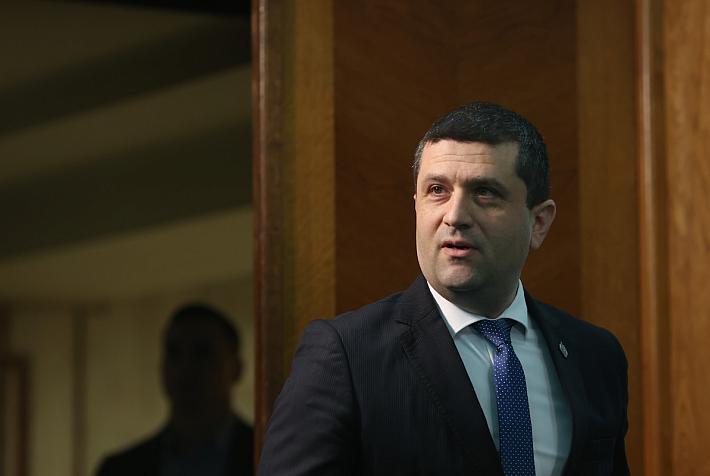
(Photo: Vlad Ispas/ Dreamstime)

iulian@romania-insider.com

Normal

Romania’s central bank raises year-end inflation forecast to 6.1%

14 August 2026

The National Bank of Romania (BNR) in its August 13 quarterly Inflation Report raised its forecast for end-2026 inflation by 0.6 percentage points to 6.1%, as governor Mugur Isărescu said the economy remained below potential amid fiscal consolidation and supply-side shocks.

The new forecast, presented by Isărescu, puts inflation further above BNR's previous projection of 5.5%. BNR now expects inflation to return to its 2.5% +/-1pp target range only in the fourth quarter of 2027.

The central bank's inflation report points to the lingering effects of fiscal consolidation measures introduced in 2025 and early 2026, alongside supply shocks affecting energy prices. The report cites the US-Iran war and the extreme decline in Danube water levels among factors pushing up the prices of oil, gas and electricity.

Fuel prices are expected to account for around 1.1 percentage points of the projected 6.1% inflation rate at the end of 2026, according to the BNR.

Isărescu said monetary easing remained likely as inflation declines, but indicated that the timing of rate cuts could not yet be determined.

"It is obvious that interest rates will decrease and the monetary policy rate will decrease, in the coming period, as inflation decreases," Isărescu said. "But we cannot discuss now when inflation is still significantly above the monetary policy rate, or the monetary policy rate is below the inflation rate."

The governor also said the central bank did not expect a rapid recovery in economic activity. The BNR's assessment shows private consumption weakening amid declining purchasing power and low consumer confidence, while lending to households has slowed.

Corporate lending, by contrast, has continued to expand, with leu-denominated loans to companies rising by around 20%, according to Isărescu.

He said the increase reflected companies' assessment that borrowing costs, while high in nominal terms, were relatively low in real terms because of inflation.

"We do not expect a rapid return to economic growth," Isărescu said.

(Photo: Vlad Ispas/ Dreamstime)

iulian@romania-insider.com

Normal

Romania Insider Free Newsletters