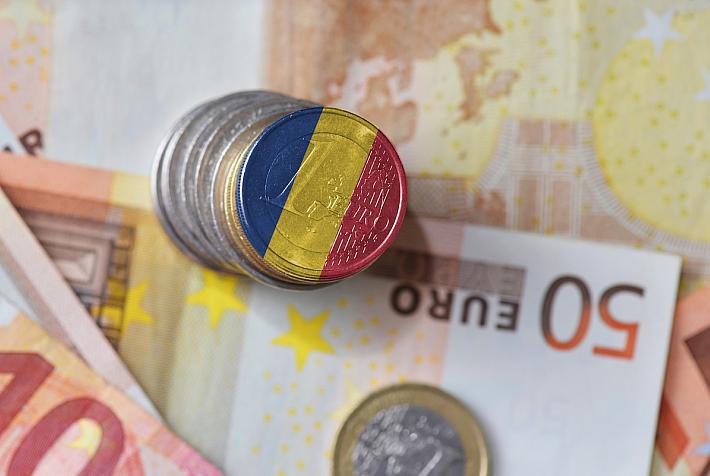
Inflation in Romania falls to 8.2% in July, down from 10.4% the previous month

12 August 2026

The annual inflation rate in Romania fell by 2.2% for the first time in the last twelve months and reached 8.2% in July, according to data from the National Institute of Statistics

In June 2026, the annual inflation rate had fallen slightly, to 10.4%. In May 2026, the rate was 10.9%, after the indicator had already risen to 10.7% in April.

In July, the largest price increases were for services, at 13.67%. During the same period, prices of non-food goods increased by 7.93%, while food goods rose by 5.03%. 

In food products, the largest price increases remained for coffee, whose price rose by 19.47% over one year. Eggs were in second place with a price increase of 13.9%, while beef became 11.67% more expensive. During the same period, cow’s milk increased in price by 11.28%, and spirits were 8.87% more expensive. 

Other food price increases were recorded for bread, up 7.93%, fresh fish, up 7.54%, canned meat, up 6.77%, edible oil, up 6.57%, poultry meat, up 6.24%, and pork, up 3.4%. Beer was 7.88% more expensive, and wine by 6.66%. 

There were also price reductions for several foods. Sugar fell by 0.25%, butter by 0.53%, flour by 4.3%, and cornmeal by 4.92%. The largest price decreases over one year were recorded for potatoes, down 13.68%, and fresh fruit, down 13.82%.

Among non-food goods, the most significant increases in July were for diesel, up 30.7%, followed by gasoline, up 23.15%. The electricity tariff, until last month the star of price increases over the past year, increased by only 3.39%. The electricity capping-compensation scheme ended on June 30, 2025, and from July 1, 2025, consumers returned to market prices.

Other tariff increases in this category were recorded for fuels, up 16.87%, thermal energy, up 10.70%, books, newspapers and magazines, up 10.82%, detergents, up 9.92%, and tobacco and cigarettes, up 8.51%. Hygiene products and cosmetics also became 6.80% more expensive, while medicines increased in price by 4.36% in July. During the period July 2025 – July 2026, gas prices rose by 0.97%.

In the services category, the largest price increases in July 2026 compared with the same month of 2025 were recorded for rents, which rose by 42.48%, followed by water, sewerage and sanitation tariffs, up 15.99%, car repairs, up 13.85%, and hygiene and cosmetic services, up 14.10%. Other significant increases in this category over one year were recorded for footwear and clothing manufacturing and repair services, up 14.36%. 

At the same time, medical assistance became 12.48% more expensive, urban transport increased by 7.47%, and road transport by 12.21%. Air service tariffs rose by 2.3% compared with July of the previous year, but a 18.73% increase compared with June 2026 is notable. Postal service tariffs, which had been reduced in previous months, increased by 9.18% in July 2026 compared with the same month in 2025.

According to the forecast of the National Bank of Romania, the annual inflation rate will undergo a substantial downward correction in the third quarter of 2026.

radu@romania-insider.com

(Photo source: lupoianflaviu|Dreamstime.com)

Normal

Inflation in Romania falls to 8.2% in July, down from 10.4% the previous month

12 August 2026

The annual inflation rate in Romania fell by 2.2% for the first time in the last twelve months and reached 8.2% in July, according to data from the National Institute of Statistics

In June 2026, the annual inflation rate had fallen slightly, to 10.4%. In May 2026, the rate was 10.9%, after the indicator had already risen to 10.7% in April.

In July, the largest price increases were for services, at 13.67%. During the same period, prices of non-food goods increased by 7.93%, while food goods rose by 5.03%. 

In food products, the largest price increases remained for coffee, whose price rose by 19.47% over one year. Eggs were in second place with a price increase of 13.9%, while beef became 11.67% more expensive. During the same period, cow’s milk increased in price by 11.28%, and spirits were 8.87% more expensive. 

Other food price increases were recorded for bread, up 7.93%, fresh fish, up 7.54%, canned meat, up 6.77%, edible oil, up 6.57%, poultry meat, up 6.24%, and pork, up 3.4%. Beer was 7.88% more expensive, and wine by 6.66%. 

There were also price reductions for several foods. Sugar fell by 0.25%, butter by 0.53%, flour by 4.3%, and cornmeal by 4.92%. The largest price decreases over one year were recorded for potatoes, down 13.68%, and fresh fruit, down 13.82%.

Among non-food goods, the most significant increases in July were for diesel, up 30.7%, followed by gasoline, up 23.15%. The electricity tariff, until last month the star of price increases over the past year, increased by only 3.39%. The electricity capping-compensation scheme ended on June 30, 2025, and from July 1, 2025, consumers returned to market prices.

Other tariff increases in this category were recorded for fuels, up 16.87%, thermal energy, up 10.70%, books, newspapers and magazines, up 10.82%, detergents, up 9.92%, and tobacco and cigarettes, up 8.51%. Hygiene products and cosmetics also became 6.80% more expensive, while medicines increased in price by 4.36% in July. During the period July 2025 – July 2026, gas prices rose by 0.97%.

In the services category, the largest price increases in July 2026 compared with the same month of 2025 were recorded for rents, which rose by 42.48%, followed by water, sewerage and sanitation tariffs, up 15.99%, car repairs, up 13.85%, and hygiene and cosmetic services, up 14.10%. Other significant increases in this category over one year were recorded for footwear and clothing manufacturing and repair services, up 14.36%. 

At the same time, medical assistance became 12.48% more expensive, urban transport increased by 7.47%, and road transport by 12.21%. Air service tariffs rose by 2.3% compared with July of the previous year, but a 18.73% increase compared with June 2026 is notable. Postal service tariffs, which had been reduced in previous months, increased by 9.18% in July 2026 compared with the same month in 2025.

According to the forecast of the National Bank of Romania, the annual inflation rate will undergo a substantial downward correction in the third quarter of 2026.

radu@romania-insider.com

(Photo source: lupoianflaviu|Dreamstime.com)

Normal

Romania Insider Free Newsletters