Verde Magnesium rents land for EUR 10 mln production facility in western Romania
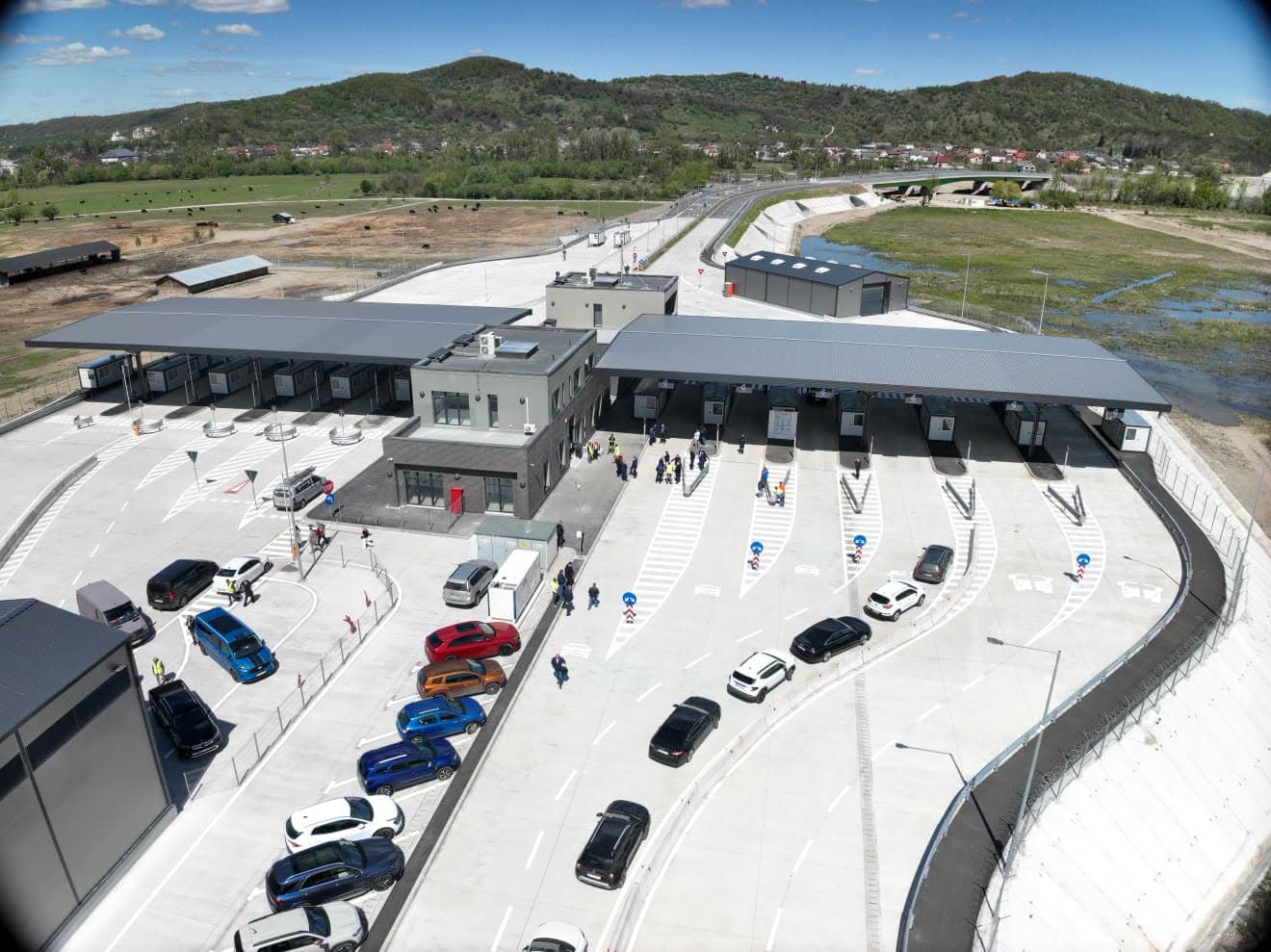
Verde Magnesium, which is developing the magnesium exploitation project in western Romania at Budureasa, has been granted, for a period of 10 years, a 25,952 sqm plot of land in the Beiuş Intelligent Specialisation Park for a production facility dedicated to metallic magnesium and magnesium alloys. The investment, partly financed from EU funds, is estimated at RON 51 million (EUR 10 million), according to a press release sent by the Bihor County Council and cited by Ziarul Financiar.
"It is the largest concession contract so far, both in terms of the concessioned area and the value of the investment assumed. The concession is granted for a period of 10 years, and the annual royalty is RON 220,000 (RON 8.5/sqm/year)," according to the press release sent by the Bihor County Council.
The concessioning of the land and even the EUR 10 million plant are small steps towards investments announced at a massive scale. Two years ago, Verde Magnesium, backed by the Amerocap investment fund, announced it was planning to invest USD 1 billion in Romania within eight to ten years to develop a magnesium mine and a processing plant that would use the magnesium to recycle aluminium and produce aluminium alloys.
Furthermore, the concession contract comes into force only after the company obtains financing from European funds to support the investment, according to Oradea24. In this regard, Verde Magnesium will submit the necessary documentation to the North-West Regional Development Agency. After obtaining the financing, the company is obliged to start the investment within 9 months.
The industrial project has been designated as of strategic importance at the European Union level in March 2025, under the European Regulation for Critical Raw Materials. It aims at the production of metallic magnesium and magnesium alloys in Romania, using natural resources from the Dealul Piţigusului mining area in Budureasa commune, located approximately 15 km from the Beiuş Smart Specialisation Park.
The last two European mines producing magnesium, one in Norway and the other in France, were closed in 2001, one of the reasons being competition from cheap imports from China.
Currently, more than 90% of the EU's magnesium is imported from China, making the 27-country bloc vulnerable to disruptions in Chinese production, such as that seen in 2022 as a result of high energy prices.
iulian@romania-insider.com
(Photo source: Facebook/Consiliul Judeţean Bihor)