Media investigation revealing "captured judiciary" prompts street protests in Romania
A two-hour documentary published by the investigative platform Recorder on December 9, revealing how a structure coordinated and controlled through alleged benefits and penalties by High Court president Lia Savonea captured the entire judicial system over the past year, developing institutional mechanisms to legally free high-profile politicians and businessmen, some of them already with a final sentence, prompted protests in Romania. The video investigation raised roughly 2 million views on YouTube in just over a day.
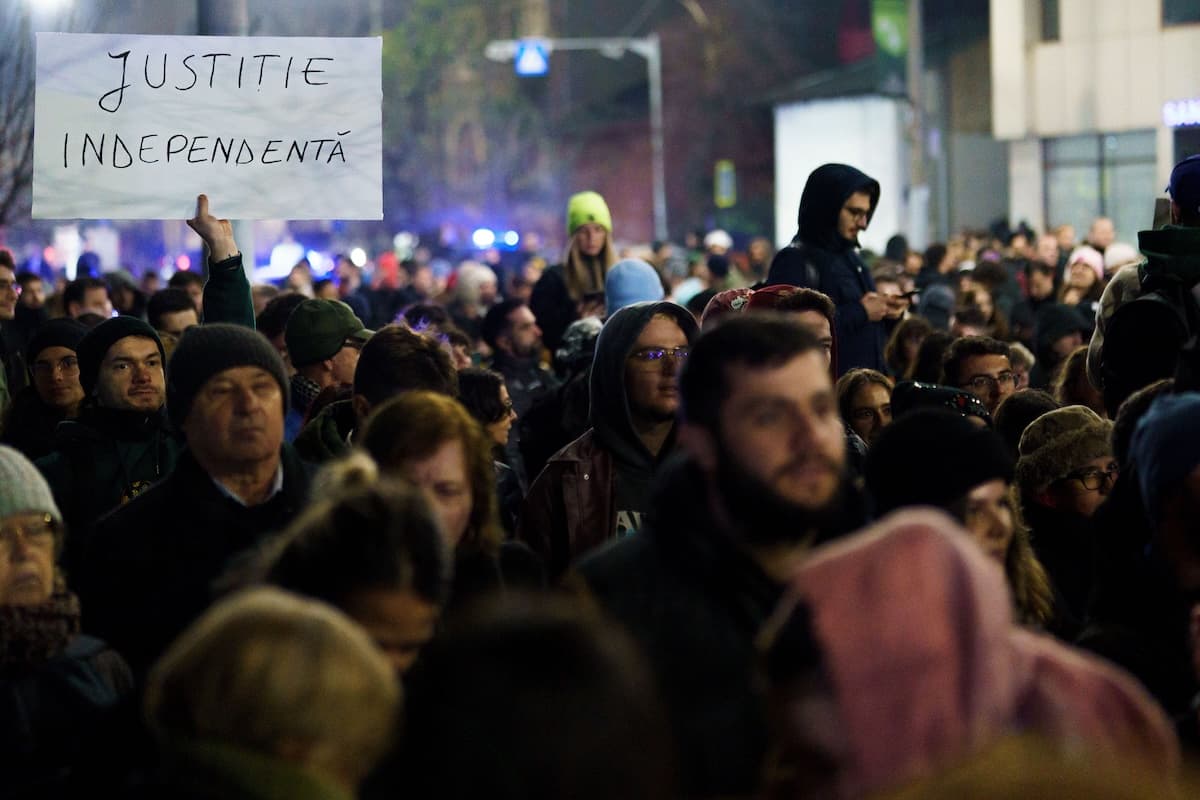
Hundreds of people gathered on Wednesday evening, December 10, in front of the Superior Council of Magistracy (CSM) headquarters in Bucharest, in the context of the Recorder investigation into the state of the judiciary in Romania.
The demonstrators chanted slogans for an independent judiciary: "We want justice, not immunity", "Independent magistrates, not obedient", "Justice, not mafia", "Integrity, not complicity." Also, they called for the resignation of the president of the High Court of Cassation and Justice, Lia Savonea, and of the minister of justice, Radu Marinescu.
Both president Nicusor Dan and prime minister Ilie Bolojan reacted to the media investigation, admitting the findings of the report as relevant and urging for further steps. Meanwhile, justice minister Radu Marinescu, mentioned in the report as the previous lawyer of politicians accused of corruption, declined any responsibility, citing the judiciary's independence.
In the media investigation, magistrates agreed to disclose how the judges who fail to issue rulings in line with the informal recommendations of the said structure are stripped of the cases involving high-profile defendants by a system of temporary promotion to higher courts, among others, involving higher benefits. Specific corruption cases are provided, including steps taken to avoid or reverse final jail sentences for high-profile politicians and businessmen.
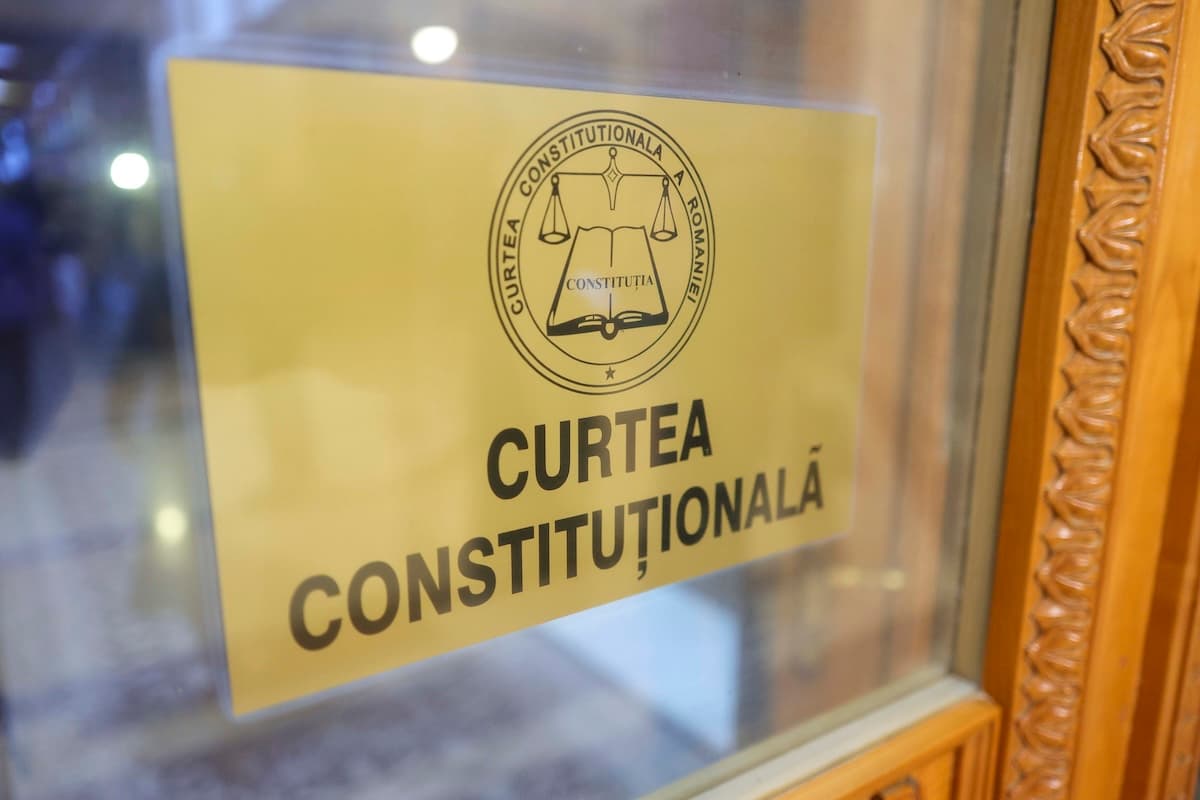
A series of court rulings reversing past jail sentences has been reported in recent months, based on a conflicting interpretation of the prescription procedures following a Constitutional Court decision not implemented by Parliament through amendments to the specific law. This best reflects the mechanism described by Recorder under which corrupt politicians have provided corrupt magistrates with impunity in exchange for protection.
In response to the documentary, president Nicusor Dan stated that "the simplest thing is to revolt" and "to throw the blame generically." However, the head of state said he believes that "the solution to the problems raised is still within the justice system" and announced that he has started working on a report with data on the problems in the justice system. He invited magistrates to write to him personally.
President Dan also stated that the documentary presents both facts and opinions, "which need to be proven."
In another remark that drew public criticism, he wondered why there were no other candidates besides Lia Savonea for the High Court leadership position. In a previous statement, president Dan had admitted that he personally called on Savonea to convince her not to go ahead with the appointment procedure, but he was refused, even though the procedure was breaching the legal calendar.
The president also said that a report with data on the problems in the justice system is being worked on: "I invite all magistrates to write to me directly about the problems they encounter and I assure them that I will personally read what they send me."
In another reaction, the Judges' Forum Association has called on the authorities not to ignore the "warning signs" raised in Recorder's documentary and to adopt "bold reforms" without delay to strengthen the rule of law and the independence of the judiciary, Agerpres reported.
In her turn, Lia Savonea, president of the High Court of Cassation and Justice, sharply criticized the investigation published by Recorder, arguing that the testimonies featured are not supported by verifiable facts and contain statements that do not reflect reality. In comments for Euronews Romania, she said the presentation of the information creates an artificial perception of a "captured" judiciary, when, in her view, the material indicates instead attempts to reposition influence over the justice system from areas other than those selectively highlighted in public discourse.
iulian@romania-insider.com
(Photo source: Inquam Photos / Pană Tudor)