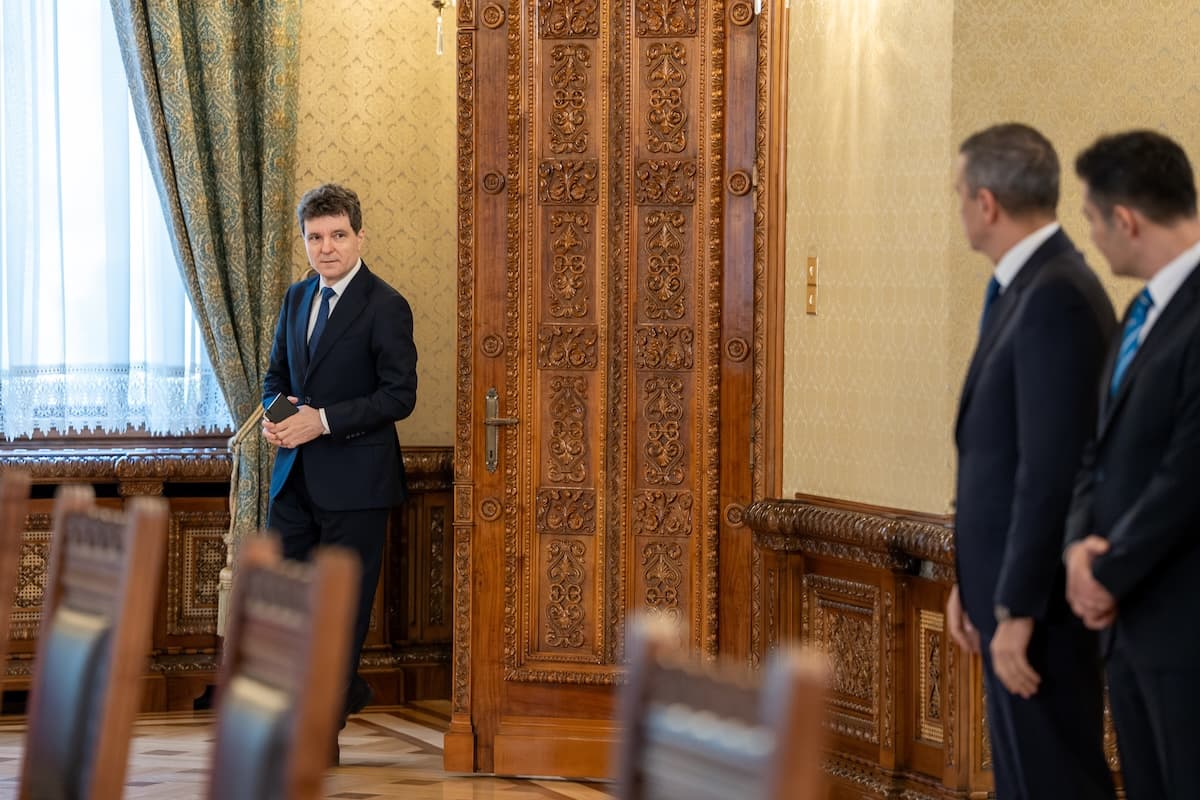
Romania’s president reportedly postpones PM nomination amid adverse coalition arithmetic

28 May 2026

Romania’s president Nicușor Dan is expected to designate a candidate for prime minister “by the end of next week,” B1 TV reported on May 27, citing sources familiar with negotiations that have now entered their third week without producing either a government formula or a candidate willing to publicly claim ownership of one.

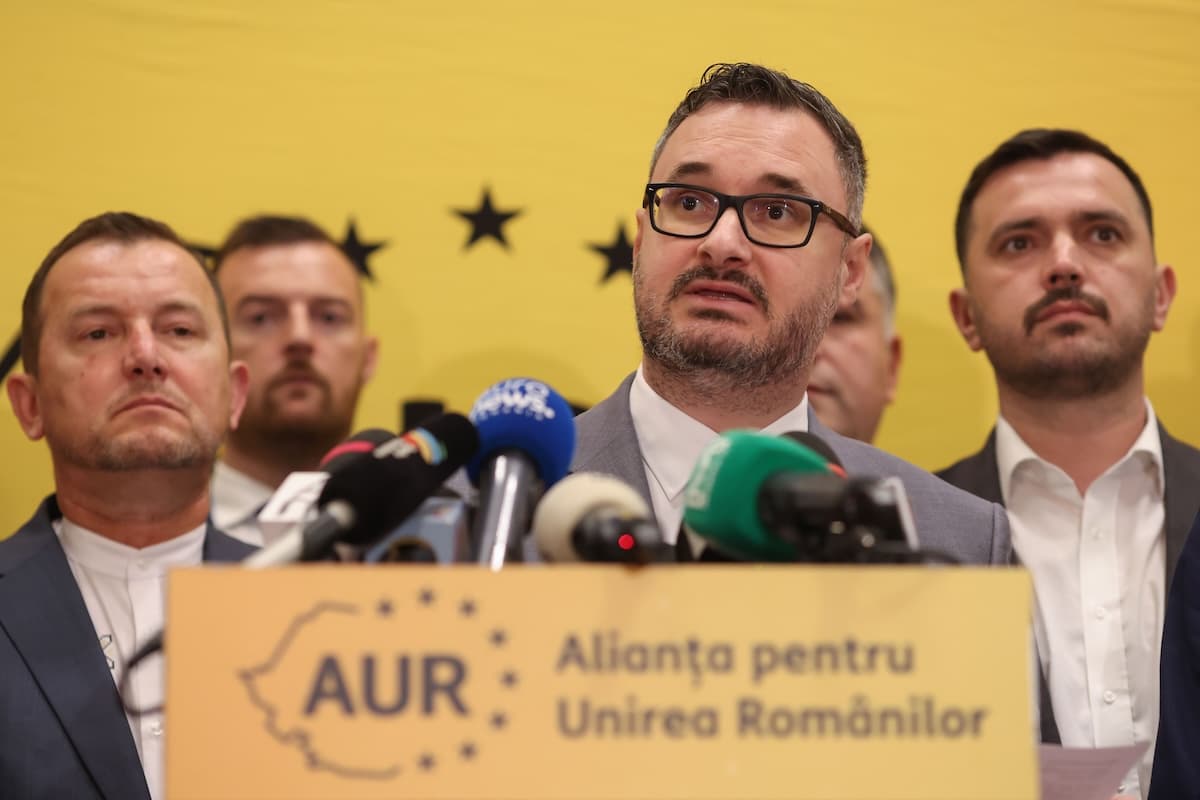
While the nomination may still come soon, the formation of a stable parliamentary majority appears increasingly detached from parliamentary arithmetic itself. The same parties that voted to dismiss Liberal (PNL) prime minister Ilie Bolojan (namely PSD and AUR) continue to cooperate in Parliament on legislative matters, while simultaneously denying interest in governing together.
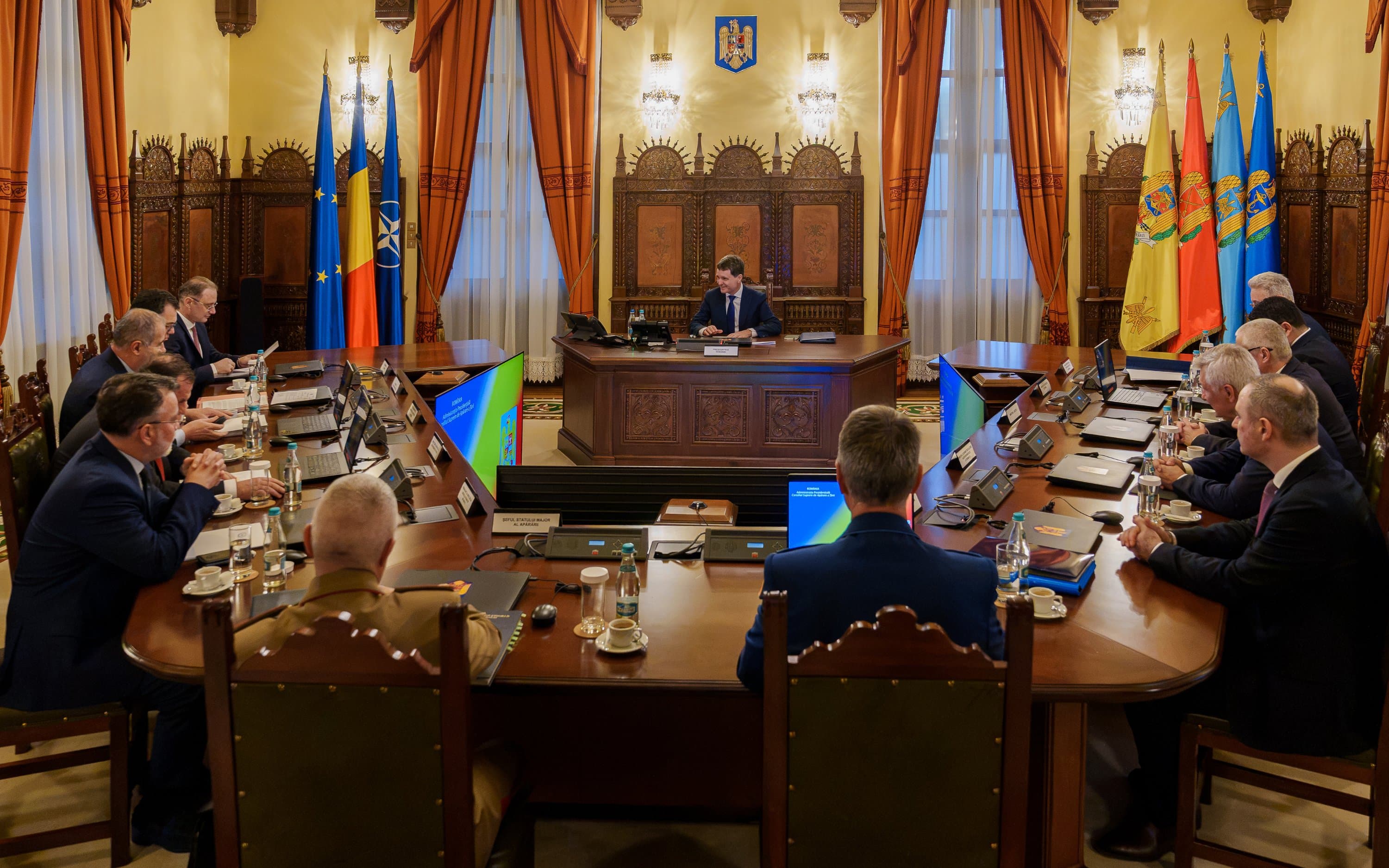
President Dan spent May 27 attending a conference on disinformation while negotiations over the country’s next government continued behind closed doors, creating an unusually fertile environment for rumours, denials, and political trial balloons.

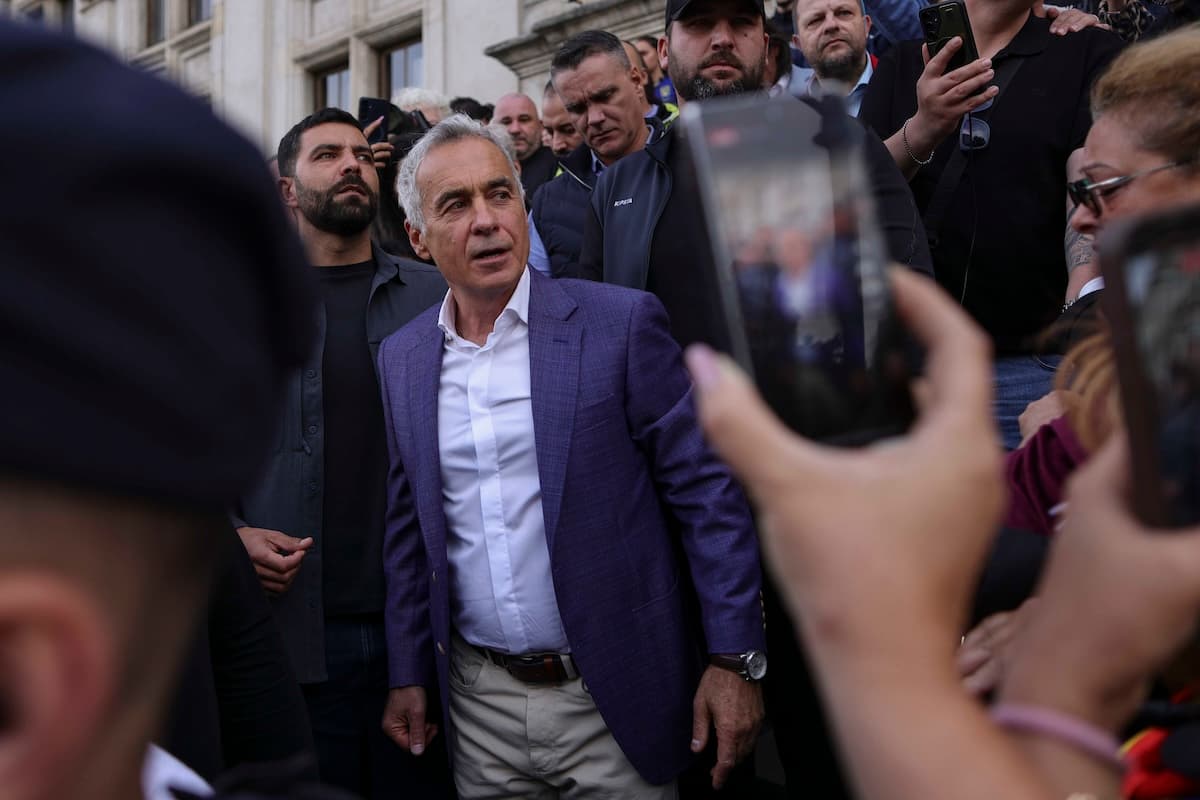
One such balloon briefly elevated presidential honorary adviser Eugen Tomac into the role of possible prime minister-designate. Although the centre-right bloc formed around the National Liberal Party (PNL) and Save Romania Union (USR) did not object to Tomac personally, the idea of a cabinet perceived as politically connected to the Social Democratic Party (PSD) generated little enthusiasm.

USR publicly denied reports suggesting it would support what party figures privately described as a technocratic façade with PSD influence discreetly preserved in the background. Prime minister Bolojan, meanwhile, again invited PSD to “honestly continue what they started” by proposing a prime minister candidate of their own after backing the motion that removed his government.

PSD leader Sorin Grindeanu, however, appears increasingly reluctant to convert parliamentary victory into executive responsibility.

As a result, president Dan appears to have returned to the same point where negotiations started: without a candidate capable of assembling a majority and with early elections - theoretically the least likely scenario in Romanian politics - becoming progressively less theoretical.

According to Digi24 sources, the president has meanwhile refined his preference for a technocratic government largely composed of ministers from outside parliamentary parties. Under the emerging concept, politically unaffiliated technocrats would occupy ministerial posts, while parliamentary parties would receive influence over secondary positions such as secretaries of state.

iulian@romania-insider.com

(Photo source: Presidency.ro)

Normal

Romania’s president reportedly postpones PM nomination amid adverse coalition arithmetic

28 May 2026

Romania’s president Nicușor Dan is expected to designate a candidate for prime minister “by the end of next week,” B1 TV reported on May 27, citing sources familiar with negotiations that have now entered their third week without producing either a government formula or a candidate willing to publicly claim ownership of one.

While the nomination may still come soon, the formation of a stable parliamentary majority appears increasingly detached from parliamentary arithmetic itself. The same parties that voted to dismiss Liberal (PNL) prime minister Ilie Bolojan (namely PSD and AUR) continue to cooperate in Parliament on legislative matters, while simultaneously denying interest in governing together.
President Dan spent May 27 attending a conference on disinformation while negotiations over the country’s next government continued behind closed doors, creating an unusually fertile environment for rumours, denials, and political trial balloons.

One such balloon briefly elevated presidential honorary adviser Eugen Tomac into the role of possible prime minister-designate. Although the centre-right bloc formed around the National Liberal Party (PNL) and Save Romania Union (USR) did not object to Tomac personally, the idea of a cabinet perceived as politically connected to the Social Democratic Party (PSD) generated little enthusiasm.

USR publicly denied reports suggesting it would support what party figures privately described as a technocratic façade with PSD influence discreetly preserved in the background. Prime minister Bolojan, meanwhile, again invited PSD to “honestly continue what they started” by proposing a prime minister candidate of their own after backing the motion that removed his government.

PSD leader Sorin Grindeanu, however, appears increasingly reluctant to convert parliamentary victory into executive responsibility.

As a result, president Dan appears to have returned to the same point where negotiations started: without a candidate capable of assembling a majority and with early elections - theoretically the least likely scenario in Romanian politics - becoming progressively less theoretical.

According to Digi24 sources, the president has meanwhile refined his preference for a technocratic government largely composed of ministers from outside parliamentary parties. Under the emerging concept, politically unaffiliated technocrats would occupy ministerial posts, while parliamentary parties would receive influence over secondary positions such as secretaries of state.

iulian@romania-insider.com

(Photo source: Presidency.ro)

Normal

Romania Insider Free Newsletters