Low salaries and corruption first among Romania’s main problems, survey says
Roughly 27.8% of Romanians think that the main problem of the country was corruption, while 48.2% believe that the priority in the next 6 months should be increasing salaries and pensions, according to an INSCOP survey conducted between May 11 and 14, 2026.
When asked what they consider the main problem of the country, Romanians said corruption (27.8%), the lack of well-paid jobs (14.9%), political instability (13.4%), inflation (10.7%), and the budget deficit and public debt (8.1%), followed by the state of the education system, the healthcare system, and the war, in lower proportions.
Voters of the National Liberal Party, the Save Romania Union Party, and the Alliance for the Union of Romanians Party, men, people aged 30 to 44, residents of Bucharest and large urban areas, mentioned corruption as the main problem of the country in a higher proportion than the average.
In turn, voters of the Social Democratic Party, residents of small urban areas, and people aged 45 to 59 were more likely to mention the lack of well-paid jobs. People with higher education thought political instability to be the main problem of the country in a higher proportion than the average.
Some 48.2% of respondents said that the priority in the next 6 months should be increasing salaries and pensions, 33.7% reducing taxes, 26.1% attracting European funds, 25.8% reducing state spending, 22.7% combating tax evasion, 16.4% political stability and agreement between parties, 15% reform of public administration, 14.2% increasing public investment, and 9.1% organizing early elections.
The survey comes after Romanian president Nicușor Dan, previously seen as a reformer and changemaker, appointed nearly all the candidates advanced by Social Democratic justice minister Radu Marinescu for the top prosecution offices.
Dan appointed Cristina Chiriac as prosecutor general of Romania despite the negative opinion from the Superior Council of the Magistracy, as well as the former head of the National Anti-Corruption Directorate, Marius Voineag, as deputy at the prosecutor general’s office, despite previous criticism. The appointments caused a wave of criticism for the president from the part of previous supporters and voters.
The study “indicates a concentration of public anxiety on issues related to systemic insecurity. The fact that the theme of corruption coexists with strong pressure for salary and pension increases shows the emergence of an electorate that is simultaneously moralizing and economically dependent on state protection,” said Remus Ștefureac, director of INSCOP Research. Such a segment of the population is favorable to populist discourses promising rapid redistribution.
Moreover, “the cleavages between party voters suggest not only electoral differences, but the existence of distinct socio-cultural ‘Romanias’: one oriented toward administrative efficiency and European integration, the other centered on immediate economic security and distrust of institutional elites,” according to Ștefureac.
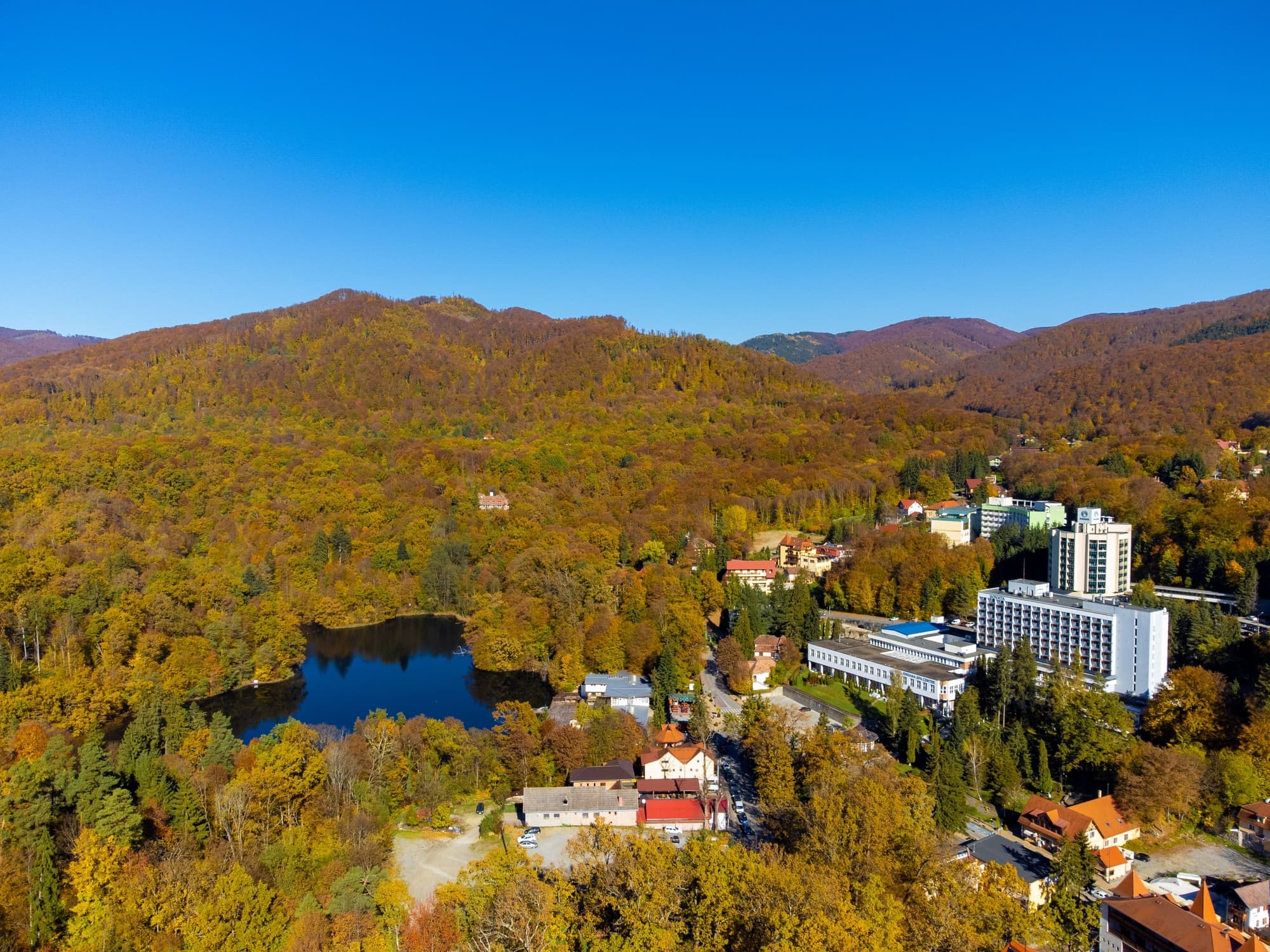
(Photo source: Leonid Yastremskiy|Dreamstime.com)