Romania cuts public deficit by 41% y/y to 2% of GDP in H1

27 July 2026

Romania’s general government budget posted a deficit of RON 41 billion (EUR 7.8 billion) in the first half of 2026, which was 41% less than in the same period of 2025. The deficit-to-GDP ratio dropped to 2% of GDP, from over 3.6%, setting the grounds for robust fiscal consolidation this year – when the full-year deficit is planned at 6.2% of GDP, down from 7.6% in 2025.

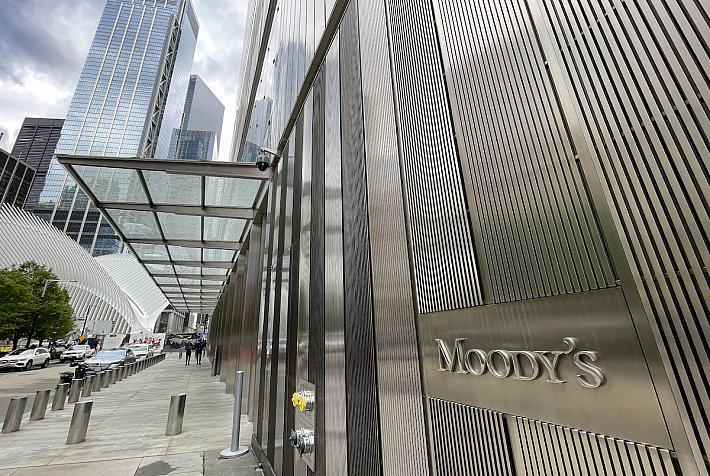
Interim finance minister Alexandru Nazare said the first-half fiscal results send a positive signal ahead of upcoming sovereign credit assessments by Fitch Ratings and Moody's, but stressed that preserving Romania's investment-grade rating depends on continued fiscal consolidation, implementation of the National Recovery and Resilience Plan (PNRR), and political stability, Ziarul Financiar reported. Fiscal consolidation efforts in the coming years, towards the 3% of GDP target, will be less intense than this year and in 2025 - but the drafting of the 2027 budget plan depends on the formation of a new ruling majority.

The public deficit was lower than RON 20 billion (1% of GDP) in Q2, compared to RON 21 billion in the first quarter of the year and RON 26 billion (nearly 1.4% of GDP) in the same period of 2025. 

Seasonally, the deficit is wider in the second part of the year, particularly in Q4 – and the gap is expected to be larger in the second half of the year as well.

In the entire H1, roughly one-third of the consolidation was due to stronger revenues (higher VAT and property ownership tax) while two-thirds was due to keeping the total nominal expenditures nearly flat (+0.8% y/y) by restricting wages in the budgetary sector and social expenditure, including pensions.

In H1, the revenues increased in nominal terms by +10.3% y/y to RON 342.5 billion and marginally in real terms (average consumer price inflation was 10.1% and the GDP deflator was smaller), while the revenues to GDP ratio calculated based on full-year GDP projection improved to 16.7% from 16.2%. 

The revenues from national resources rose by only 9.4% y/y to RON 312.3 billion, but the domestic revenues to GDP ratio still improved by 0.3 percentage points to 15.2%. The main driver was the stronger VAT collection (+25% y/y in net terms and +21% y/y in gross terms), propelled by inflation and higher VAT rates. The property ownership tax collection also rose by 30% y/y. 

The transfers from the EU budget surged by 21% y/y to RON 30.3 billion, or 8.8% of total budget revenues, from 8.1% in the same period last year. In 2025, the transfers from the EU budget rose to 11.5% of total revenues from 7.4% in 2024. Successful completion of PNRR should boost the volume of transfers from the EU budget to the national budget.

Expenditures from the public budget increased by only 0.8% y/y to RON 383.6 billion in H1, in the context of a 10.1% y/y average inflation. The expenditure to GDP ratio decreased from 19.8% in the same period of last year to 18.7%.

The public payroll contracted by 3.9% y/y, and it measured only 4.0% of the year’s GDP, down from 4.5% in the same period last year. Social security spending, which includes pensions, was 0.5% smaller this year compared to 2025.

iulian@romania-insider.com

(Photo source: Alexandru Marinescu/Dreamstime.com)

Normal

Romania cuts public deficit by 41% y/y to 2% of GDP in H1

27 July 2026

Romania’s general government budget posted a deficit of RON 41 billion (EUR 7.8 billion) in the first half of 2026, which was 41% less than in the same period of 2025. The deficit-to-GDP ratio dropped to 2% of GDP, from over 3.6%, setting the grounds for robust fiscal consolidation this year – when the full-year deficit is planned at 6.2% of GDP, down from 7.6% in 2025.

Interim finance minister Alexandru Nazare said the first-half fiscal results send a positive signal ahead of upcoming sovereign credit assessments by Fitch Ratings and Moody's, but stressed that preserving Romania's investment-grade rating depends on continued fiscal consolidation, implementation of the National Recovery and Resilience Plan (PNRR), and political stability, Ziarul Financiar reported. Fiscal consolidation efforts in the coming years, towards the 3% of GDP target, will be less intense than this year and in 2025 - but the drafting of the 2027 budget plan depends on the formation of a new ruling majority.

The public deficit was lower than RON 20 billion (1% of GDP) in Q2, compared to RON 21 billion in the first quarter of the year and RON 26 billion (nearly 1.4% of GDP) in the same period of 2025. 

Seasonally, the deficit is wider in the second part of the year, particularly in Q4 – and the gap is expected to be larger in the second half of the year as well.

In the entire H1, roughly one-third of the consolidation was due to stronger revenues (higher VAT and property ownership tax) while two-thirds was due to keeping the total nominal expenditures nearly flat (+0.8% y/y) by restricting wages in the budgetary sector and social expenditure, including pensions.

In H1, the revenues increased in nominal terms by +10.3% y/y to RON 342.5 billion and marginally in real terms (average consumer price inflation was 10.1% and the GDP deflator was smaller), while the revenues to GDP ratio calculated based on full-year GDP projection improved to 16.7% from 16.2%. 

The revenues from national resources rose by only 9.4% y/y to RON 312.3 billion, but the domestic revenues to GDP ratio still improved by 0.3 percentage points to 15.2%. The main driver was the stronger VAT collection (+25% y/y in net terms and +21% y/y in gross terms), propelled by inflation and higher VAT rates. The property ownership tax collection also rose by 30% y/y. 

The transfers from the EU budget surged by 21% y/y to RON 30.3 billion, or 8.8% of total budget revenues, from 8.1% in the same period last year. In 2025, the transfers from the EU budget rose to 11.5% of total revenues from 7.4% in 2024. Successful completion of PNRR should boost the volume of transfers from the EU budget to the national budget.

Expenditures from the public budget increased by only 0.8% y/y to RON 383.6 billion in H1, in the context of a 10.1% y/y average inflation. The expenditure to GDP ratio decreased from 19.8% in the same period of last year to 18.7%.

The public payroll contracted by 3.9% y/y, and it measured only 4.0% of the year’s GDP, down from 4.5% in the same period last year. Social security spending, which includes pensions, was 0.5% smaller this year compared to 2025.

iulian@romania-insider.com

(Photo source: Alexandru Marinescu/Dreamstime.com)

Normal

Romania Insider Free Newsletters