Romania prolongs state of crisis in energy sector for another month

31 August 2026

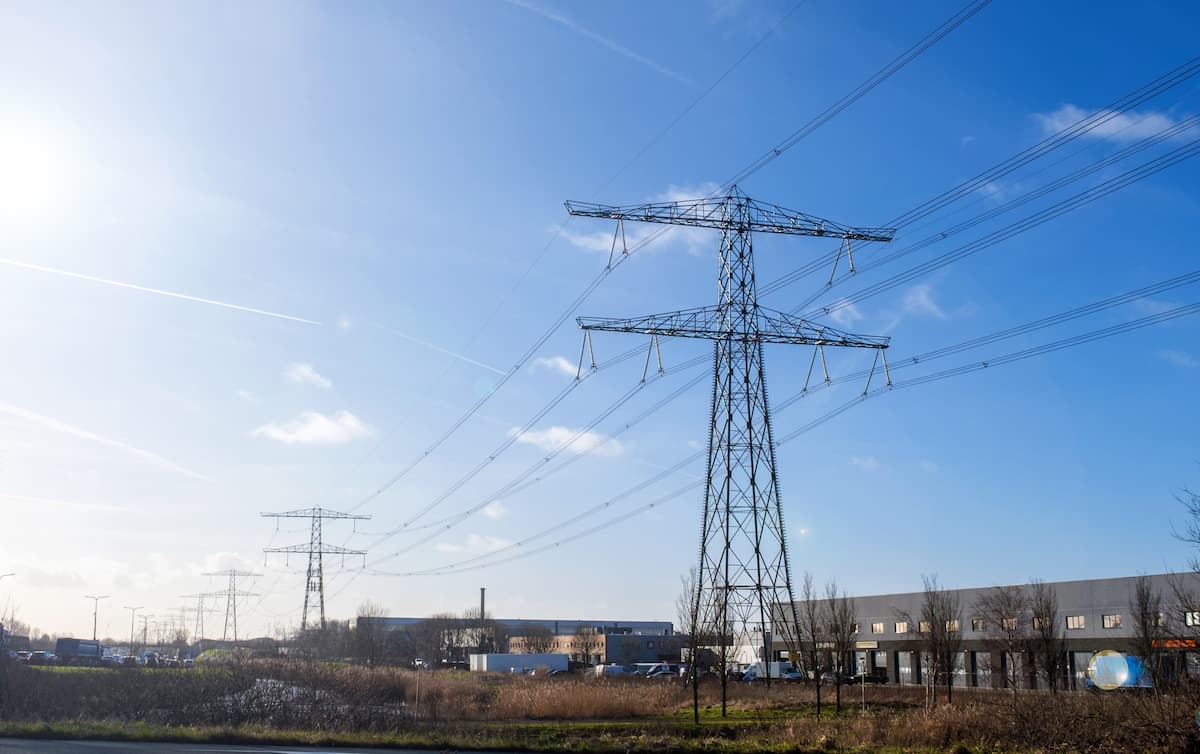
The government of Romania approved the prolongation by one month, until September 30, 2026, of the energy crisis regime, given that the low level of the Danube has not yet improved sufficiently to allow the restart of at least one reactor at the Cernavodă nuclear power plant (NPP). Furthermore, the production forecast for wind and photovoltaic capacities indicates a lower contribution, while electricity consumption during peak hours is expected to be higher, according to a government note cited by Cursdeguvernare.ro.

Inter alia, the Russian military reportedly preparing a large-scale offensive against Ukrainian energy infrastructure may cause an energy crisis in a region that already faces scarce supply and relies on Ukraine as a supplier.


At the end of July, interim prime minister Ilie Bolojan announced that he had discussed with the deputy prime minister of Ukraine the possibility of supporting Romania with production from one of Ukraine’s nuclear power plants, Economedia.ro reported.

A few days later, Nuclearelectrica announced that it had begun purchasing electricity from Ukraine, through the company Energocom in the Republic of Moldova, to compensate for the production deficit caused by the shutdown of Unit 1 of the Cernavodă Nuclear Power Plant. At that time, Unit 2 had not yet been shut down.

“The extension is justified by the continued severe hydrological deficit on the Danube, the forecast of high temperatures and increased electricity consumption during peak hours, as well as the forecasted reduced production from wind and photovoltaic sources. At the same time, there is a risk of limiting import possibilities in the event of a possible regional energy crisis,” the government said in an official statement.

The government pointed out that restricting the consumption of large industrial consumers, one of the preventive measures under the special regime, will most likely not be applied, but it was established to ensure that the necessary levers are available under any scenario.

The measures provided for under the energy crisis regime include increasing the technological reserves of production units that can operate on alternative fuel, starting up groups in technical reserve, reducing or cancelling the available interconnection capacity and notified exchanges in the export direction. As a measure of last resort, the transmission system operator Transelectrica can restrict the consumption of some industrial consumers under a mechanism agreed in advance.

iulian@romania-insider.com

(Photo source: Nataliia Babinska/Dreamstime.com)

Normal

Romania prolongs state of crisis in energy sector for another month

31 August 2026

The government of Romania approved the prolongation by one month, until September 30, 2026, of the energy crisis regime, given that the low level of the Danube has not yet improved sufficiently to allow the restart of at least one reactor at the Cernavodă nuclear power plant (NPP). Furthermore, the production forecast for wind and photovoltaic capacities indicates a lower contribution, while electricity consumption during peak hours is expected to be higher, according to a government note cited by Cursdeguvernare.ro.

Inter alia, the Russian military reportedly preparing a large-scale offensive against Ukrainian energy infrastructure may cause an energy crisis in a region that already faces scarce supply and relies on Ukraine as a supplier.
At the end of July, interim prime minister Ilie Bolojan announced that he had discussed with the deputy prime minister of Ukraine the possibility of supporting Romania with production from one of Ukraine’s nuclear power plants, Economedia.ro reported.

A few days later, Nuclearelectrica announced that it had begun purchasing electricity from Ukraine, through the company Energocom in the Republic of Moldova, to compensate for the production deficit caused by the shutdown of Unit 1 of the Cernavodă Nuclear Power Plant. At that time, Unit 2 had not yet been shut down.

“The extension is justified by the continued severe hydrological deficit on the Danube, the forecast of high temperatures and increased electricity consumption during peak hours, as well as the forecasted reduced production from wind and photovoltaic sources. At the same time, there is a risk of limiting import possibilities in the event of a possible regional energy crisis,” the government said in an official statement.

The government pointed out that restricting the consumption of large industrial consumers, one of the preventive measures under the special regime, will most likely not be applied, but it was established to ensure that the necessary levers are available under any scenario.

The measures provided for under the energy crisis regime include increasing the technological reserves of production units that can operate on alternative fuel, starting up groups in technical reserve, reducing or cancelling the available interconnection capacity and notified exchanges in the export direction. As a measure of last resort, the transmission system operator Transelectrica can restrict the consumption of some industrial consumers under a mechanism agreed in advance.

iulian@romania-insider.com

(Photo source: Nataliia Babinska/Dreamstime.com)

Normal

Romania Insider Free Newsletters