

Romanian security chief Lucian Pahonțu rejects accusations of involvement in communist-era suppression

01 September 2026

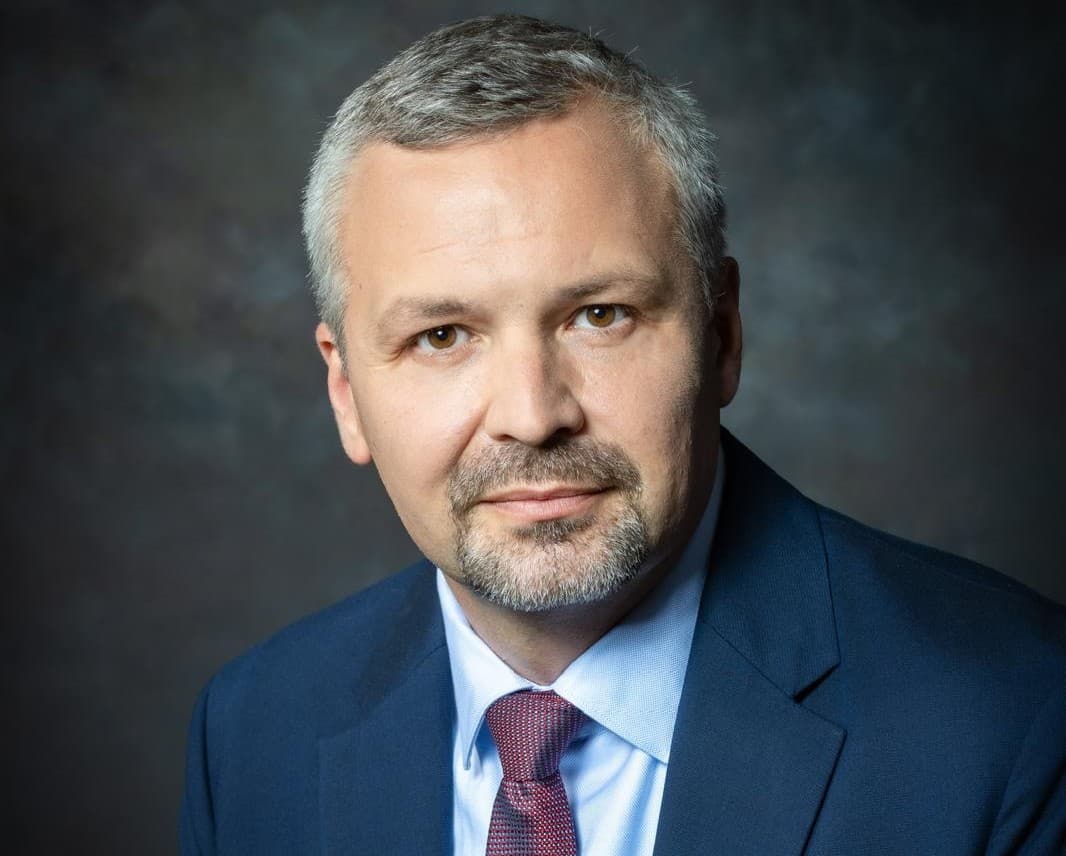
Lucian Pahonțu, the longtime head of the Protection and Guard Service (SPP) and alleged backroom political powerbroker, rejected the findings of a journalistic investigation regarding his involvement in the suppression of the anti-communist December 1989 Revolution and the protests during the June 1990 Mineriad.

In a series of clarifications made on Monday, August 31, Pahonțu claimed that he did not participate in violence against protesters and that the statements concerning him are untrue and unfounded. “My position is simple: I have never carried out activities aimed at violating or restricting fundamental rights and freedoms and which could be classified as acts of ‘political police’,” he said, cited by Digi24.
To construct his defense, Pahonțu went through his professional biography, starting with his graduation from the Military School for Active Officers in Sibiu, specializing in communications. After his graduation, Pahonțu said he worked as a platoon commander within the Security Troops between 1987 and 1989. According to the security chief, his duties were limited exclusively to the field of communications. 

In December 1989, Pahonțu, 25, was a lieutenant and commander of a communications platoon within the combat support and transport company of Military Unit 0305, Security Troops. The official insisted on the difference between the Security Troops and the structures of the former Securitate with intelligence-operational duties.

“At the time, the Security Troops were the equivalent of today's Romanian Gendarmerie and should not be confused with the Securitate structures with intelligence-operational and criminal investigation duties,” he said. According to his account, the company he was part of consisted of a communications platoon, an anti-aircraft defense platoon, a logistics platoon, a drivers' platoon and another logistics platoon.

On the evening of December 21, 1989, the company allegedly received successive orders to move to Casa Scânteii, another square and, subsequently, to the blocking position on 13 Decembrie Street, currently Ion Câmpineanu Street.

Pahonțu said that he remained in position until he received the order to withdraw. In this time, “neither the soldiers under my command nor I changed our position, and we had no direct contact with the revolutionaries,” he said. He also claimed that the soldiers under his command did not have ammunition with them, as it was kept in sealed boxes in the unit's trucks.

Pahonțu explicitly rejected the accusation that he participated in suppressing the demonstrations in the Intercontinental area, in central Bucharest. According to his version, on the morning of December 22, he and the soldiers under his command re-entered the deployment at the intersection of 13 Decembrie and Academiei streets. Later in the morning, he and his troops allowed the protesters access to Republicii Square, today's Revolution Square.

Subsequently, the soldiers allegedly withdrew toward the trucks and returned to the unit. Pahonțu said that upon arrival, the ammunition was checked and handed over and that not a single cartridge was missing. In his defense, Pahonțu cited general Cătălin Ranco Pițu, former chief prosecutor of the Military Prosecutor's Office Section and one of the investigators of the Revolution file.

Lucian Pahonțu also denied involvement in the violence against protesters in University Square on June 13 and 14, 1990. “During the two days, the soldiers under my command and I did not participate in the events in Bucharest. During that period, we remained in the barracks, according to the documents in the archives of the Romanian Gendarmerie,” he said. 

He also said he did not leave the barracks until June 15, 1990, when he allegedly received an order to participate, together with 72 soldiers, in maintaining public order in University Square. “On that day there were no demonstrations in University Square, no violence was recorded, and the miners withdrew from the area and left for the Jiu Valley," the official argued.

Pahonțu also claimed that his activity was repeatedly checked, including before he was appointed director of the SPP. 

Recorder’s response

Recorder published a response to Lucian Pahonțu's defense, following the investigation into his alleged involvement in the events of December 1989 and June 1990. The journalists claimed that several documents from the archives and statements given before military prosecutors contradict the version presented by the head of the SPP.

In their argument, the journalists cited three former soldiers under Pahonțu's command, namely Ianțuc Cristian Gheorghe, Ianțuc Daniel Ioan and Spătariu Iulian. In handwritten statements given before military prosecutors, the three conscript soldiers stated they participated in the events of June 13 and 14 and were present in the Television area and in University Square, contradicting Pahonțu’s account, according to the same source. 

The publication also disputed Lucian Pahonțu's account of the position occupied by his unit on the night of December 21-22, 1989. Pahonțu acknowledged that he was then part of the Security Troops and was present on the streets of Bucharest. However, he claimed that the platoon he commanded entered the deployment on 13 Decembrie Street, in the area of the intersection with Academiei Street, and that it did not reach the barricade at the Intercontinental hotel.

According to Recorder, this version is contradicted by major Gheorghe Rădulescu, who allegedly recorded in his statement in the Revolution File that he had the platoon commanded by Pahonțu under his command, and that the unit was positioned at the intersection of 13 Decembrie Street and 1848 Boulevard, today's Nicolae Bălcescu Boulevard, in the area of the Intercontinental barricade.

In the published response, Recorder announced that it will present additional documents from the archives concerning Lucian Pahonțu's actions during the Revolution and the Mineriad.

radu@romania-insider.com

(Photo source: Inquam Photos/George Calin)

Normal

Romanian security chief Lucian Pahonțu rejects accusations of involvement in communist-era suppression

01 September 2026

Lucian Pahonțu, the longtime head of the Protection and Guard Service (SPP) and alleged backroom political powerbroker, rejected the findings of a journalistic investigation regarding his involvement in the suppression of the anti-communist December 1989 Revolution and the protests during the June 1990 Mineriad.

In a series of clarifications made on Monday, August 31, Pahonțu claimed that he did not participate in violence against protesters and that the statements concerning him are untrue and unfounded. “My position is simple: I have never carried out activities aimed at violating or restricting fundamental rights and freedoms and which could be classified as acts of ‘political police’,” he said, cited by Digi24.

To construct his defense, Pahonțu went through his professional biography, starting with his graduation from the Military School for Active Officers in Sibiu, specializing in communications. After his graduation, Pahonțu said he worked as a platoon commander within the Security Troops between 1987 and 1989. According to the security chief, his duties were limited exclusively to the field of communications. 

In December 1989, Pahonțu, 25, was a lieutenant and commander of a communications platoon within the combat support and transport company of Military Unit 0305, Security Troops. The official insisted on the difference between the Security Troops and the structures of the former Securitate with intelligence-operational duties.

“At the time, the Security Troops were the equivalent of today's Romanian Gendarmerie and should not be confused with the Securitate structures with intelligence-operational and criminal investigation duties,” he said. According to his account, the company he was part of consisted of a communications platoon, an anti-aircraft defense platoon, a logistics platoon, a drivers' platoon and another logistics platoon.

On the evening of December 21, 1989, the company allegedly received successive orders to move to Casa Scânteii, another square and, subsequently, to the blocking position on 13 Decembrie Street, currently Ion Câmpineanu Street.

Pahonțu said that he remained in position until he received the order to withdraw. In this time, “neither the soldiers under my command nor I changed our position, and we had no direct contact with the revolutionaries,” he said. He also claimed that the soldiers under his command did not have ammunition with them, as it was kept in sealed boxes in the unit's trucks.

Pahonțu explicitly rejected the accusation that he participated in suppressing the demonstrations in the Intercontinental area, in central Bucharest. According to his version, on the morning of December 22, he and the soldiers under his command re-entered the deployment at the intersection of 13 Decembrie and Academiei streets. Later in the morning, he and his troops allowed the protesters access to Republicii Square, today's Revolution Square.

Subsequently, the soldiers allegedly withdrew toward the trucks and returned to the unit. Pahonțu said that upon arrival, the ammunition was checked and handed over and that not a single cartridge was missing. In his defense, Pahonțu cited general Cătălin Ranco Pițu, former chief prosecutor of the Military Prosecutor's Office Section and one of the investigators of the Revolution file.

Lucian Pahonțu also denied involvement in the violence against protesters in University Square on June 13 and 14, 1990. “During the two days, the soldiers under my command and I did not participate in the events in Bucharest. During that period, we remained in the barracks, according to the documents in the archives of the Romanian Gendarmerie,” he said. 

He also said he did not leave the barracks until June 15, 1990, when he allegedly received an order to participate, together with 72 soldiers, in maintaining public order in University Square. “On that day there were no demonstrations in University Square, no violence was recorded, and the miners withdrew from the area and left for the Jiu Valley," the official argued.

Pahonțu also claimed that his activity was repeatedly checked, including before he was appointed director of the SPP. 

Recorder’s response

Recorder published a response to Lucian Pahonțu's defense, following the investigation into his alleged involvement in the events of December 1989 and June 1990. The journalists claimed that several documents from the archives and statements given before military prosecutors contradict the version presented by the head of the SPP.

In their argument, the journalists cited three former soldiers under Pahonțu's command, namely Ianțuc Cristian Gheorghe, Ianțuc Daniel Ioan and Spătariu Iulian. In handwritten statements given before military prosecutors, the three conscript soldiers stated they participated in the events of June 13 and 14 and were present in the Television area and in University Square, contradicting Pahonțu’s account, according to the same source. 

The publication also disputed Lucian Pahonțu's account of the position occupied by his unit on the night of December 21-22, 1989. Pahonțu acknowledged that he was then part of the Security Troops and was present on the streets of Bucharest. However, he claimed that the platoon he commanded entered the deployment on 13 Decembrie Street, in the area of the intersection with Academiei Street, and that it did not reach the barricade at the Intercontinental hotel.

According to Recorder, this version is contradicted by major Gheorghe Rădulescu, who allegedly recorded in his statement in the Revolution File that he had the platoon commanded by Pahonțu under his command, and that the unit was positioned at the intersection of 13 Decembrie Street and 1848 Boulevard, today's Nicolae Bălcescu Boulevard, in the area of the Intercontinental barricade.

In the published response, Recorder announced that it will present additional documents from the archives concerning Lucian Pahonțu's actions during the Revolution and the Mineriad.

radu@romania-insider.com

(Photo source: Inquam Photos/George Calin)

Normal

Romania Insider Free Newsletters