Traditional Romanian string instrument added to UNESCO’s Intangible Cultural Heritage list
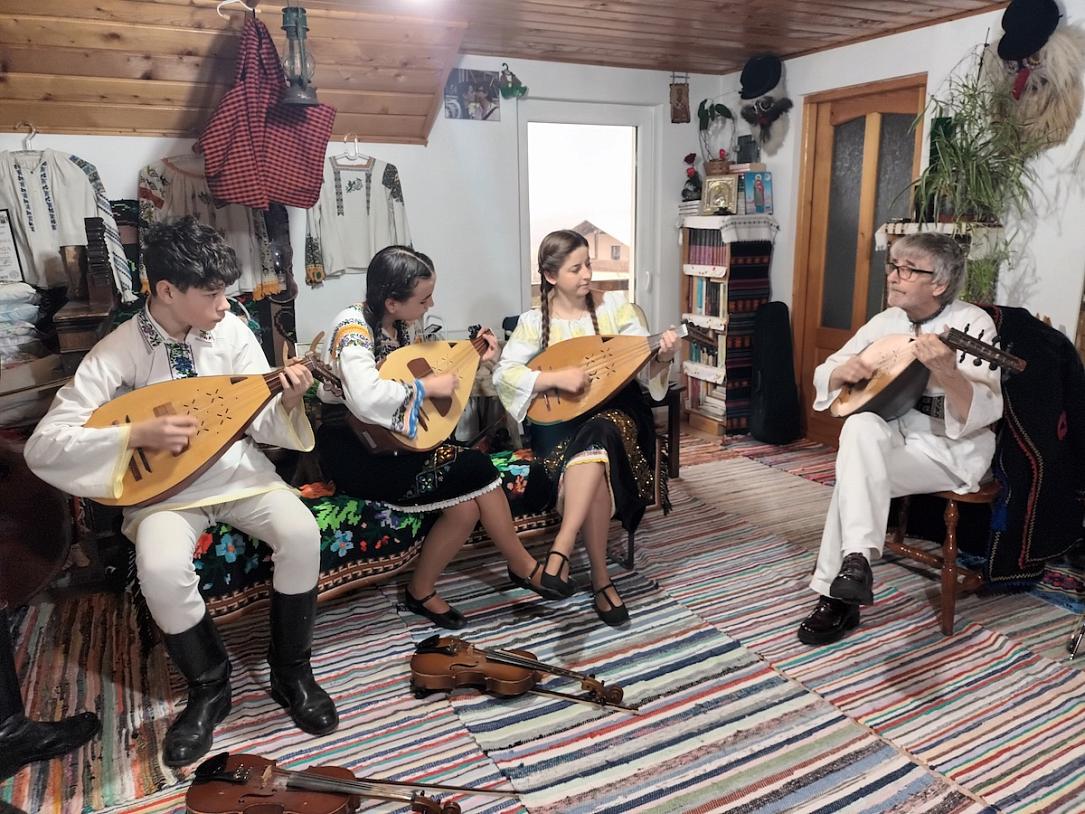
Romania achieved a new cultural milestone as UNESCO added the cobza, a traditional pear-shaped string instrument, to the Representative List of the Intangible Cultural Heritage of Humanity. The element, officially titled “Cobza, traditional knowledge, skills and music,” was jointly nominated by Romania and the Republic of Moldova.
The decision, announced on Wednesday, December 9, followed the meeting of the Intergovernmental Committee for the Safeguarding of the Intangible Cultural Heritage held in New Delhi between December 8 and 13, where 54 nominations from member states were reviewed, the Romanian Ministry of Culture said. All 24 member states of the Committee approved the nomination by consensus.
The file was prepared by the Ministries of Culture of Romania and Moldova, highlighting the cobza’s role as a creator of a musical repertoire passed down through generations and its significance as an identity symbol with universal resonance.
In their presentation, Romania and Moldova demonstrated that the cobza remains a vital component of traditional music, used by performers of different ages in both rural and urban communities. Locally crafted and frequently played alongside the violin, the instrument fosters community cohesion and supports the intergenerational transmission of musical traditions.
According to the Ministry of Culture, its growing adoption by women and girls also reflects broader progress toward gender equality and diversity in the arts.
Ambassador Simona-Mirela Miculescu highlighted this dimension in her remarks: “Long considered an almost exclusively male domain, cobza playing has undergone a remarkable transformation in recent decades. More and more women are embracing this instrument, turning it into a space where creativity grows, identity is reinvented, and artistic freedom discovers new horizons.”
UNESCO’s recognition is expected to boost global visibility for the cobza and strengthen ongoing safeguarding efforts. Officials say the listing will encourage performance, education, research, and artistic development, while enhancing the confidence of practitioners and acknowledging the specific skills and knowledge associated with playing the instrument.
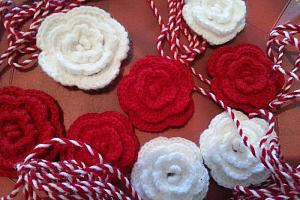
The cobza becomes the fifth cultural element jointly inscribed by Romania and Moldova, joining the famous spring tradition named Mărțișor, Men’s Group Colindat, Traditional Techniques for Creating the Reed Mat, and the Art of the Blouse with Embroidered Sleeve (altiță).
irina.marica@romania-insider.com
(Photo source: Facebook/Ministerul Culturii)