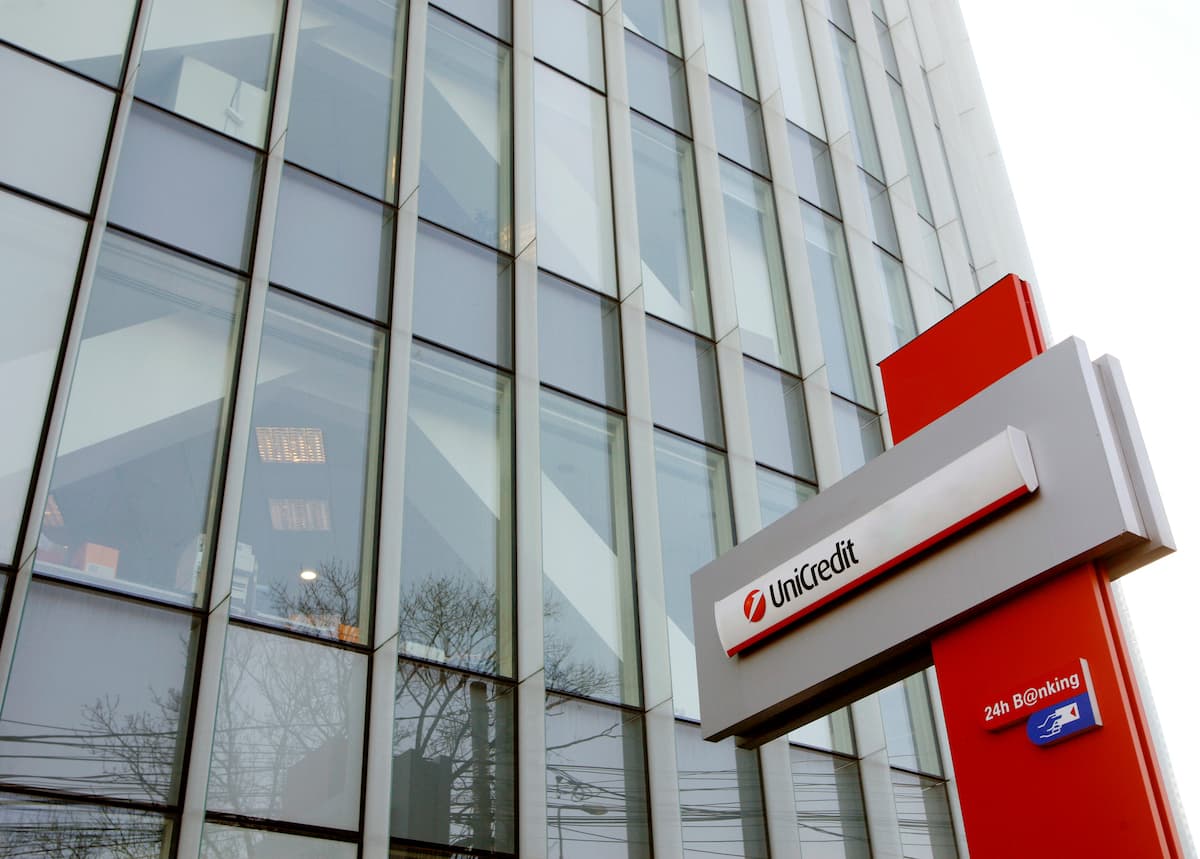
UniCredit maintains Romania’s 1% growth forecast despite recession risks

20 May 2026

UniCredit Bank maintained its forecast for Romania’s economy to grow by 1% in 2026 despite weaker-than-expected first-quarter data, while warning that the country faces overlapping risks from recession, inflation, and political uncertainty, according to a research report cited by Cursdeguvernare.ro.

UniCredit’s assessment contrasts with the more pessimistic outlook recently published by Erste Group, which revised its 2026 forecast for Romania to a 0.3% contraction from a previous estimate of 0.3% growth.


UniCredit estimated Romania’s budget deficit will reach 6.2% of GDP this year, while average annual inflation is projected at 9.1%. For 2027, UniCredit forecasted economic growth of 2.3% and inflation easing to 4.2%.

The bank said Romania’s economic normalisation would likely be gradual and heavily dependent on geopolitical developments in the Middle East as well as the formation of a stable pro-European government in Bucharest.

The lender also expects the National Bank of Romania (BNR) to cut its key interest rate by only 0.5 percentage points by the end of 2027, bringing it to 6%, with no monetary easing anticipated before the end of this year.

UniCredit’s outlook remains more optimistic than that of several other analysts after Romania’s economy contracted by 1.7% y/y in Q1 2026, significantly below both the bank’s previous estimate of 0.3% growth and the market consensus of a 0.6% decline.

Seasonally adjusted data confirmed a technical recession, with GDP shrinking by 2% q/q in Q4 2025 and by a further 0.2% q/q in Q1 2026.

According to the report, the weaker performance was driven by disappointing retail sales, industrial production, and possibly agriculture, real estate, and IT activity, despite solid growth in construction.

“These signal data imply downside risks for the Romanian economy in 2026, although the relatively lower share of the first quarter in the annual performance could allow for marginal growth this year, but below the 1% we forecast before this publication,” UniCredit economists stated.

“The longer the Middle East conflict and local political uncertainty continue, the greater the risk of a full-blown recession,” the report added.

iulian@romania-insider.com

(Photo source: Viorel Dudau/Dreamstime.com)

Normal

UniCredit maintains Romania’s 1% growth forecast despite recession risks

20 May 2026

UniCredit Bank maintained its forecast for Romania’s economy to grow by 1% in 2026 despite weaker-than-expected first-quarter data, while warning that the country faces overlapping risks from recession, inflation, and political uncertainty, according to a research report cited by Cursdeguvernare.ro.

UniCredit’s assessment contrasts with the more pessimistic outlook recently published by Erste Group, which revised its 2026 forecast for Romania to a 0.3% contraction from a previous estimate of 0.3% growth.
UniCredit estimated Romania’s budget deficit will reach 6.2% of GDP this year, while average annual inflation is projected at 9.1%. For 2027, UniCredit forecasted economic growth of 2.3% and inflation easing to 4.2%.

The bank said Romania’s economic normalisation would likely be gradual and heavily dependent on geopolitical developments in the Middle East as well as the formation of a stable pro-European government in Bucharest.

The lender also expects the National Bank of Romania (BNR) to cut its key interest rate by only 0.5 percentage points by the end of 2027, bringing it to 6%, with no monetary easing anticipated before the end of this year.

UniCredit’s outlook remains more optimistic than that of several other analysts after Romania’s economy contracted by 1.7% y/y in Q1 2026, significantly below both the bank’s previous estimate of 0.3% growth and the market consensus of a 0.6% decline.

Seasonally adjusted data confirmed a technical recession, with GDP shrinking by 2% q/q in Q4 2025 and by a further 0.2% q/q in Q1 2026.

According to the report, the weaker performance was driven by disappointing retail sales, industrial production, and possibly agriculture, real estate, and IT activity, despite solid growth in construction.

“These signal data imply downside risks for the Romanian economy in 2026, although the relatively lower share of the first quarter in the annual performance could allow for marginal growth this year, but below the 1% we forecast before this publication,” UniCredit economists stated.

“The longer the Middle East conflict and local political uncertainty continue, the greater the risk of a full-blown recession,” the report added.

iulian@romania-insider.com

(Photo source: Viorel Dudau/Dreamstime.com)

Normal

Romania Insider Free Newsletters