Romanian energy regulator ANRE adopts rules to eliminate speculative projects

22 May 2026

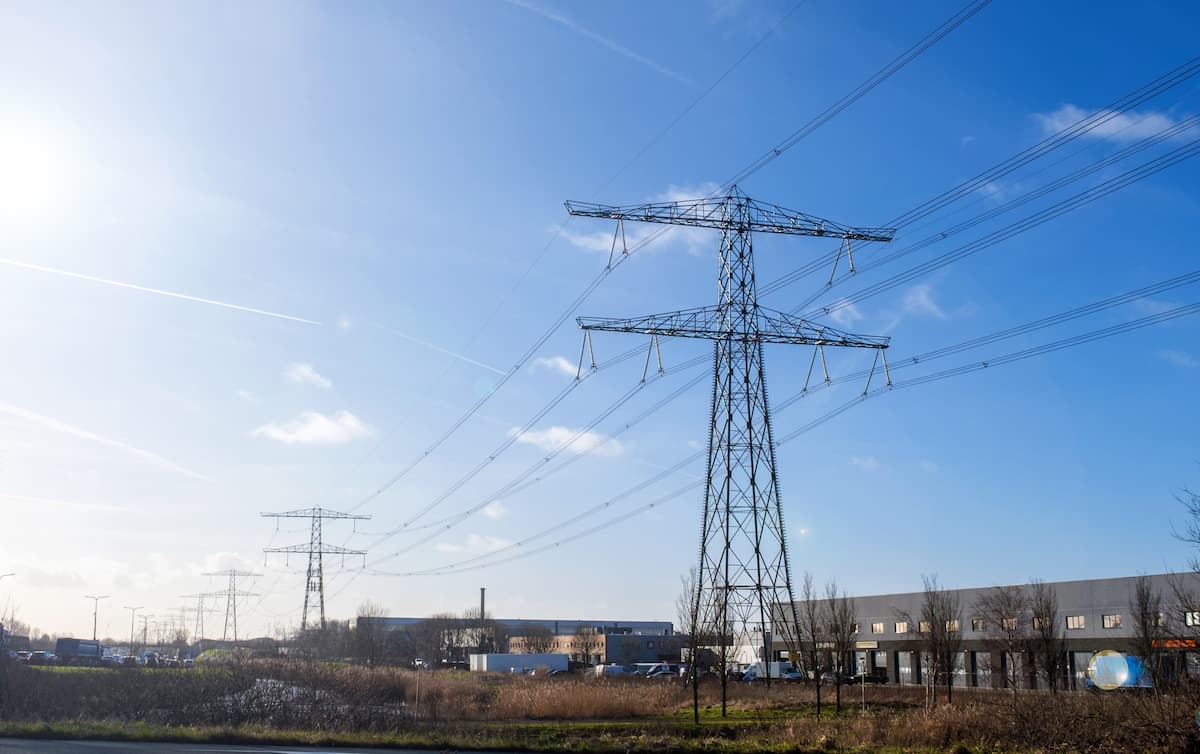
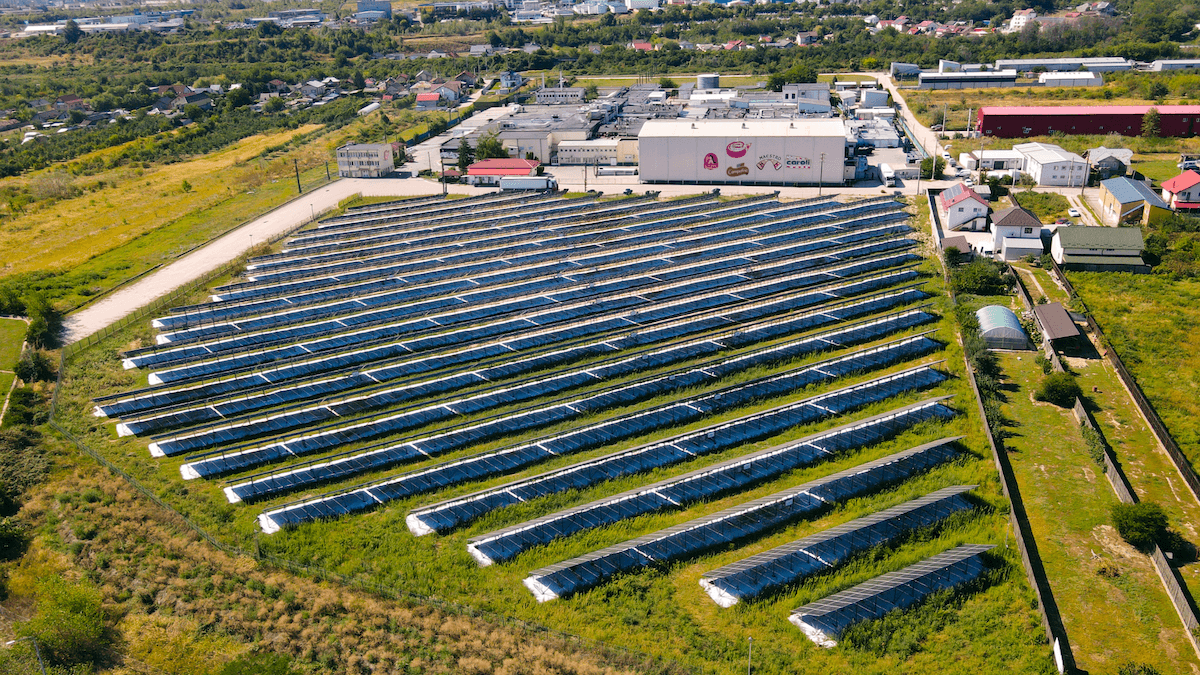
Romania’s National Energy Regulatory Authority (ANRE) adopted new rules on Thursday, May 21, aimed at eliminating purely speculative energy production and storage projects. The regulations, agreed with interim prime minister and energy minister Ilie Bolojan, amend the framework for grid connection and for granting licenses and establishment authorizations in the energy sector.

The new rules introduced maximum deadlines for obtaining establishment authorizations (ATR-based approvals) for users who signed connection contracts with network operators before the entry into force of the regulations.
Depending on the year of the contract, developers will have 6, 9, or 12 months to obtain the authorization. Failure to comply will lead to automatic termination of the technical connection approval and cancellation of the connection contract, according to Profit.ro.

For new contracts signed after the rules enter into force, the deadlines were set to 12 months from the signing of the connection contract and 18 months from the issuance of the ATR. In parallel, the minimum validity duration of an establishment authorization was doubled from 12 to 24 months.

“This measure aims to streamline the authorization process and eliminate speculative investments that occupy reserved grid capacity without being implemented,” said ANRE, adding that the changes will unlock real investments in Romania’s energy grid, increasing electricity generation and storage capacity. 

The package also introduced financial guarantees, including EUR 20/kW for participation in capacity allocation auctions and EUR 30/kW at the authorization stage, intended to ensure that only projects with secured financing proceed.

Through these changes, ANRE aimed to reduce the current “stock” of existing ATRs, given that if beneficiaries do not complete investments within the validity period, they will request extensions of establishment authorizations and will have to deposit the EUR 30/kW guarantee. 

According to ANRE officials, the previous rules were not strict enough. “Of the total projects for which the financial guarantee of 5% of the connection tariff was constituted, a measure introduced by ANRE in 2024, only 12% reached the stage of concluding the connection contract, 3% obtained the construction authorization, and approximately 1% went through the entire process, including the establishment authorization,” said ANRE head George Niculescu.

“This reality led us to the conclusion that the 5% guarantee was not sufficient to separate projects that block capacity without the clear intention to implement them,” he added.

PM Ilie Bolojan thanked the ANRE for the amendments adopted regarding connection and licensing, aimed at eliminating projects that block the grid. “Companies that complete their project will get their guarantees back, and those that do not invest will lose the money and will free up access for others. Until now, because there were no guarantees and firm deadlines, many speculative projects were authorized, above grid capacity, practically blocking access or significantly increasing connection costs,” he explained.

The official noted that the regulations will unblock access to electricity grids by eliminating speculative ATRs; support battery storage systems or pumped storage, which can store excess electricity during the day and make it available in the evening; and speed up the completion of investments to increase energy production and grid capacity.

On the other hand, the Romanian Wind Energy Association (RWEA) and the Romanian Photovoltaic Industry Association (RPIA) warned that the amendments to the connection regulation could lead to increases in energy prices and cascading economic effects, such as reducing the number of jobs in the sector and decreasing revenues to local budgets, amid slowing investments in new generation capacities. 

radu@romania-insider.com

(Photo source: Nataliia Babinska|Dreamstime.com)

Normal

Romanian energy regulator ANRE adopts rules to eliminate speculative projects

22 May 2026

Romania’s National Energy Regulatory Authority (ANRE) adopted new rules on Thursday, May 21, aimed at eliminating purely speculative energy production and storage projects. The regulations, agreed with interim prime minister and energy minister Ilie Bolojan, amend the framework for grid connection and for granting licenses and establishment authorizations in the energy sector.

The new rules introduced maximum deadlines for obtaining establishment authorizations (ATR-based approvals) for users who signed connection contracts with network operators before the entry into force of the regulations.

Depending on the year of the contract, developers will have 6, 9, or 12 months to obtain the authorization. Failure to comply will lead to automatic termination of the technical connection approval and cancellation of the connection contract, according to Profit.ro.

For new contracts signed after the rules enter into force, the deadlines were set to 12 months from the signing of the connection contract and 18 months from the issuance of the ATR. In parallel, the minimum validity duration of an establishment authorization was doubled from 12 to 24 months.

“This measure aims to streamline the authorization process and eliminate speculative investments that occupy reserved grid capacity without being implemented,” said ANRE, adding that the changes will unlock real investments in Romania’s energy grid, increasing electricity generation and storage capacity. 

The package also introduced financial guarantees, including EUR 20/kW for participation in capacity allocation auctions and EUR 30/kW at the authorization stage, intended to ensure that only projects with secured financing proceed.

Through these changes, ANRE aimed to reduce the current “stock” of existing ATRs, given that if beneficiaries do not complete investments within the validity period, they will request extensions of establishment authorizations and will have to deposit the EUR 30/kW guarantee. 

According to ANRE officials, the previous rules were not strict enough. “Of the total projects for which the financial guarantee of 5% of the connection tariff was constituted, a measure introduced by ANRE in 2024, only 12% reached the stage of concluding the connection contract, 3% obtained the construction authorization, and approximately 1% went through the entire process, including the establishment authorization,” said ANRE head George Niculescu.

“This reality led us to the conclusion that the 5% guarantee was not sufficient to separate projects that block capacity without the clear intention to implement them,” he added.

PM Ilie Bolojan thanked the ANRE for the amendments adopted regarding connection and licensing, aimed at eliminating projects that block the grid. “Companies that complete their project will get their guarantees back, and those that do not invest will lose the money and will free up access for others. Until now, because there were no guarantees and firm deadlines, many speculative projects were authorized, above grid capacity, practically blocking access or significantly increasing connection costs,” he explained.

The official noted that the regulations will unblock access to electricity grids by eliminating speculative ATRs; support battery storage systems or pumped storage, which can store excess electricity during the day and make it available in the evening; and speed up the completion of investments to increase energy production and grid capacity.

On the other hand, the Romanian Wind Energy Association (RWEA) and the Romanian Photovoltaic Industry Association (RPIA) warned that the amendments to the connection regulation could lead to increases in energy prices and cascading economic effects, such as reducing the number of jobs in the sector and decreasing revenues to local budgets, amid slowing investments in new generation capacities. 

radu@romania-insider.com

(Photo source: Nataliia Babinska|Dreamstime.com)

Normal

Romania Insider Free Newsletters