Romanian govt. publishes ruling strategy, but all depends on its implementation

25 June 2025

Romania’s new government has published the 2025-2028 Ruling Programme, an 88-page document that lays the foundation for broad reforms aimed at modernizing the state and particularly bringing sustainability to public finances after the fiscal slippage that resulted in a 9.3%-of-GDP public deficit last year. The sections dedicated to fiscal consolidation and the reform of central and local administration include key reforms.

However, the fiscal plan expected by the European Commission before the July 8 ECOFIN, under Romania’s Excessive Deficit Procedure, is still to be drafted. According to finance minister Alexandru Nazare, the design and the provisions of the fiscal plan are subject to consultations with the Commission’s experts.

The document published by the government of prime minister Ilie Bolojan is quite general, and even the priorities outlined for each sector are quite broad. More quantitative details have been provided by ministers, such as the level of the proposed dividend tax (16% from 10%) or the increase in excise taxes, reportedly 10%, although the document does not specify a specific rate.

Regarding the fiscal plan, in the Priorities section (the document is structured in two main sections: Principles and Priorities – after a preamble setting the three main principles of the strategy), in the chapter Finance sub-section Others (page 13), the document envisages “The development of a national strategy for fiscal sustainability 2025–2030, which will include clear deficit reduction milestones, rigid expenditure share targets, and medium-term budget-balancing policies.” 

A quarterly system of reporting on results-oriented budget execution is also envisaged, and the government promises to publish the key performance indicators. 

Furthermore, the government pledges to take more seriously the analysis published by the Fiscal Council: “Strengthening the role of the Fiscal Council and introducing an expanded public dialogue mechanism before adopting major fiscal measures, including by requesting the point of view of the Chamber of Fiscal Consultants in the spirit of transparency and democratic accountability,” according to the third point of the sub-chapter.

iulian@romania-insider.com

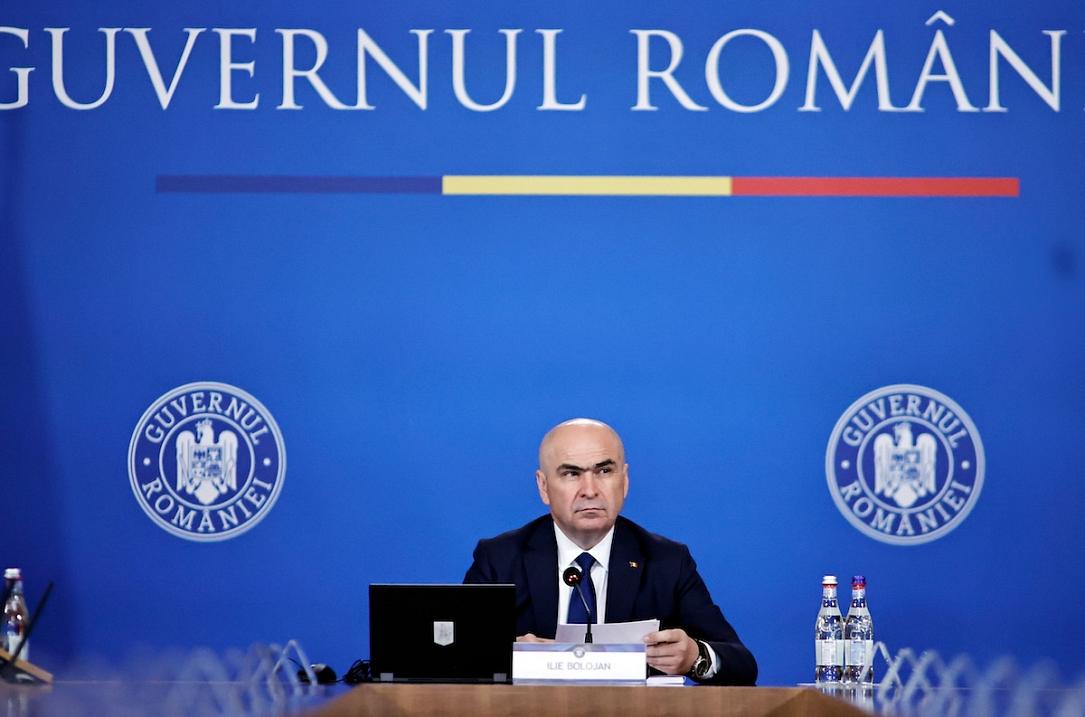
(Photo source: Gov.ro)

Normal

Romanian govt. publishes ruling strategy, but all depends on its implementation
25 June 2025

Romania’s new government has published the 2025-2028 Ruling Programme, an 88-page document that lays the foundation for broad reforms aimed at modernizing the state and particularly bringing sustainability to public finances after the fiscal slippage that resulted in a 9.3%-of-GDP public deficit last year. The sections dedicated to fiscal consolidation and the reform of central and local administration include key reforms.

However, the fiscal plan expected by the European Commission before the July 8 ECOFIN, under Romania’s Excessive Deficit Procedure, is still to be drafted. According to finance minister Alexandru Nazare, the design and the provisions of the fiscal plan are subject to consultations with the Commission’s experts.

The document published by the government of prime minister Ilie Bolojan is quite general, and even the priorities outlined for each sector are quite broad. More quantitative details have been provided by ministers, such as the level of the proposed dividend tax (16% from 10%) or the increase in excise taxes, reportedly 10%, although the document does not specify a specific rate.

Regarding the fiscal plan, in the Priorities section (the document is structured in two main sections: Principles and Priorities – after a preamble setting the three main principles of the strategy), in the chapter Finance sub-section Others (page 13), the document envisages “The development of a national strategy for fiscal sustainability 2025–2030, which will include clear deficit reduction milestones, rigid expenditure share targets, and medium-term budget-balancing policies.” 

A quarterly system of reporting on results-oriented budget execution is also envisaged, and the government promises to publish the key performance indicators. 

Furthermore, the government pledges to take more seriously the analysis published by the Fiscal Council: “Strengthening the role of the Fiscal Council and introducing an expanded public dialogue mechanism before adopting major fiscal measures, including by requesting the point of view of the Chamber of Fiscal Consultants in the spirit of transparency and democratic accountability,” according to the third point of the sub-chapter.

iulian@romania-insider.com

(Photo source: Gov.ro)

Normal

Romania Insider Free Newsletters