Brașov as a real alternative to Romania's major residential hubs: Insights from KRONBAU Euro Development Commercial Director Anton Sinkovskii | Romania Insider
Brașov as a real alternative to Romania's major residential hubs: Insights from KRONBAU Euro Development Commercial Director Anton Sinkovskii
Brașov has spent the last few years quietly repositioning itself. Once thought of mainly as a tourism destination or a secondary urban market, the city is increasingly being treated as a genuine alternative to Bucharest and Cluj-Napoca: by…
Romania Insider · with Anton Sinkovskii, Commercial Director, KRONBAU Euro Development
· Updated · 7 min read
Brașov has spent the last few years quietly repositioning itself. Once thought of mainly as a tourism destination or a secondary urban market, the city is increasingly being treated as a genuine alternative to Bucharest and Cluj-Napoca: by buyers relocating from larger cities, by Romanians returning from abroad, and by investors looking for a more balanced, less overheated market.
KRONBAU Euro Development has built its portfolio around that shift. Active on the Romanian market for around eight years and headquartered in Brașov, the developer is best known for Noua Residence and the newer Noua Residence 2, residential projects built on a "park living" concept of lower density, generous green areas and a high energy-performance specification designed for the way people actually live and work from home today. The macroeconomic backdrop has reshaped the conversation too. Higher construction costs, more expensive financing and recent VAT adjustments have weighed on affordability, and buyers have become noticeably more rational, more analytical, and less impulsive than a few years ago. In the Q&A below, Anton Sinkovskii, KRONBAU's Commercial Director, talks about why Brașov has become a real alternative to Romania's major hubs, how the buyer profile has shifted, the role of completed and intabulated projects in winning buyer confidence, and what the next 12 to 24 months may look like for the Romanian residential market. Read more in the Q&A interview below: 1. Please tell us a few things about KRONBAU Euro Development and your role within the company: how long has KRONBAU been active on the Romanian market, what does its project portfolio look like today, and what does the commercial director role actually cover on a day-to-day basis?Anton Sinkovskii: KRONBAU Euro Development has been active on the Romanian market for around eight years, with a focus on residential projects in Brașov. Today, our main projects are Noua Residence and Noua Residence 2 — developments built around a pretty simple idea: people don’t just buy square meters anymore, they buy the way they want to live. As Commercial Director, I’m responsible for the entire commercial side of the projects. My role goes beyond sales in the traditional sense. It covers the full cycle from market positioning and lead generation to pricing strategy and revenue streams control. In other words it means understanding where the clients come from, how buyers behave, how pricing affects sales velocity, and how all of that impacts the project financially. Especially in current market conditions, which have become tougher recently - commercial decisions have a direct influence on stability and long-term sustainability. 2. KRONBAU has built its presence around Brașov, with projects such as Noua Residence anchoring the company's portfolio. What made Brașov the strategic choice for the developer, and how do you see the city's residential market evolving compared to Bucharest, Cluj-Napoca and the other regional hubs?
Free newsletters
Romania, in your inbox before your first coffee.
Get the Daily — the morning briefing, free, in English, unsubscribe anytime. Want business, real estate or travel digests too? Pick your newsletters →
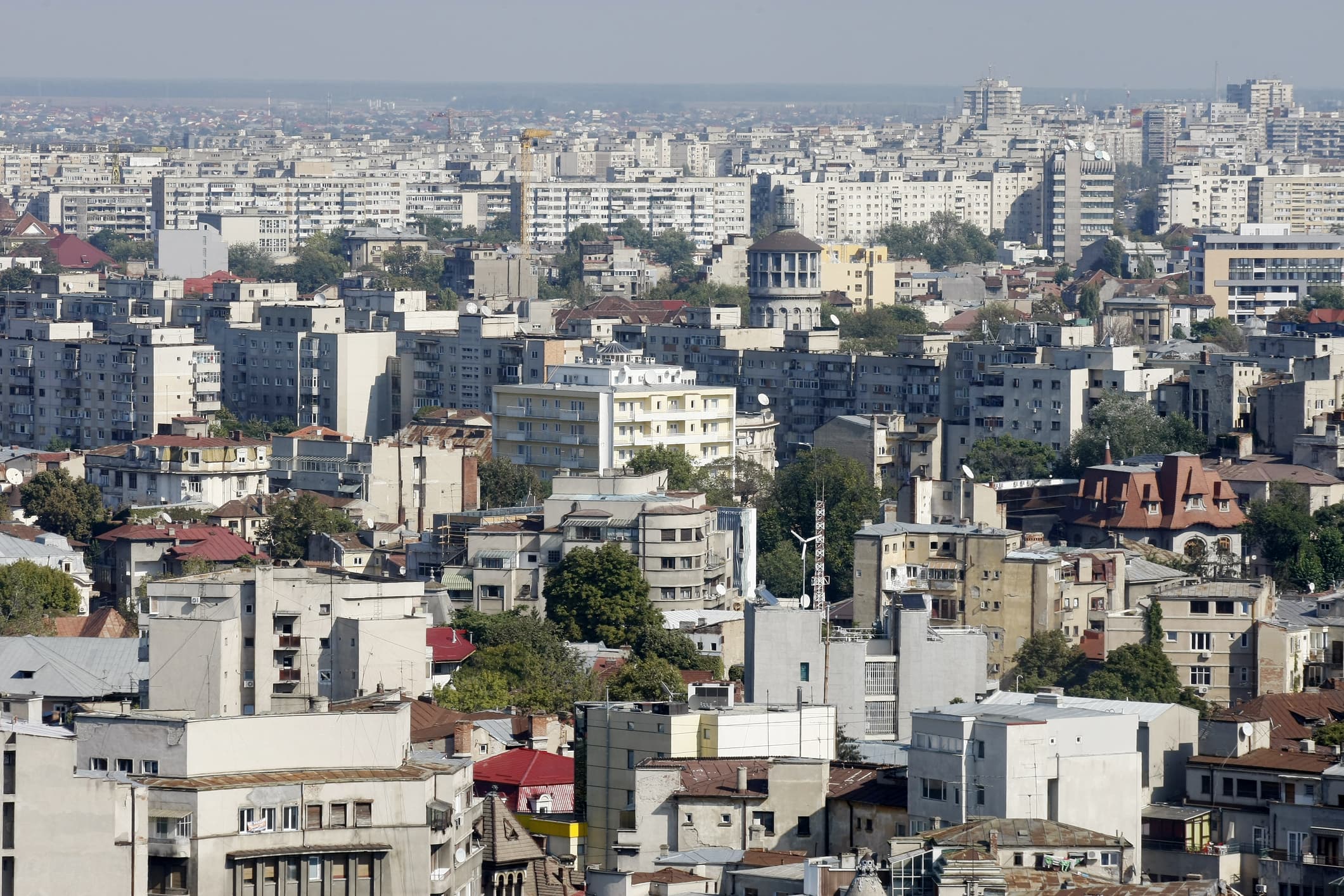
: Brașov has changed a lot over the past years. It’s no longer seen only as a tourism destination or a secondary market — many people now see it as a real alternative to Bucharest or Cluj-Napoca. What makes the city attractive is the balance it offers. People want urban infrastructure and opportunities, but they also want space, nature, and a different rhythm of life. Brașov manages to combine these things quite naturally. We clearly see this reflected in demand. Some buyers relocate from Bucharest looking for a less chaotic lifestyle, while others move from smaller regional cities for better opportunities and quality of life. Compared to larger markets, Brașov still feels more balanced and less overheated, which creates interesting opportunities both for developers and buyers.
3. Who is buying an apartment at a KRONBAU project today: first-time buyers, young families, investors, the diaspora, or people relocating from larger cities? How has that buyer profile shifted in the last two or three years, and what are the features they are no longer willing to compromise on?
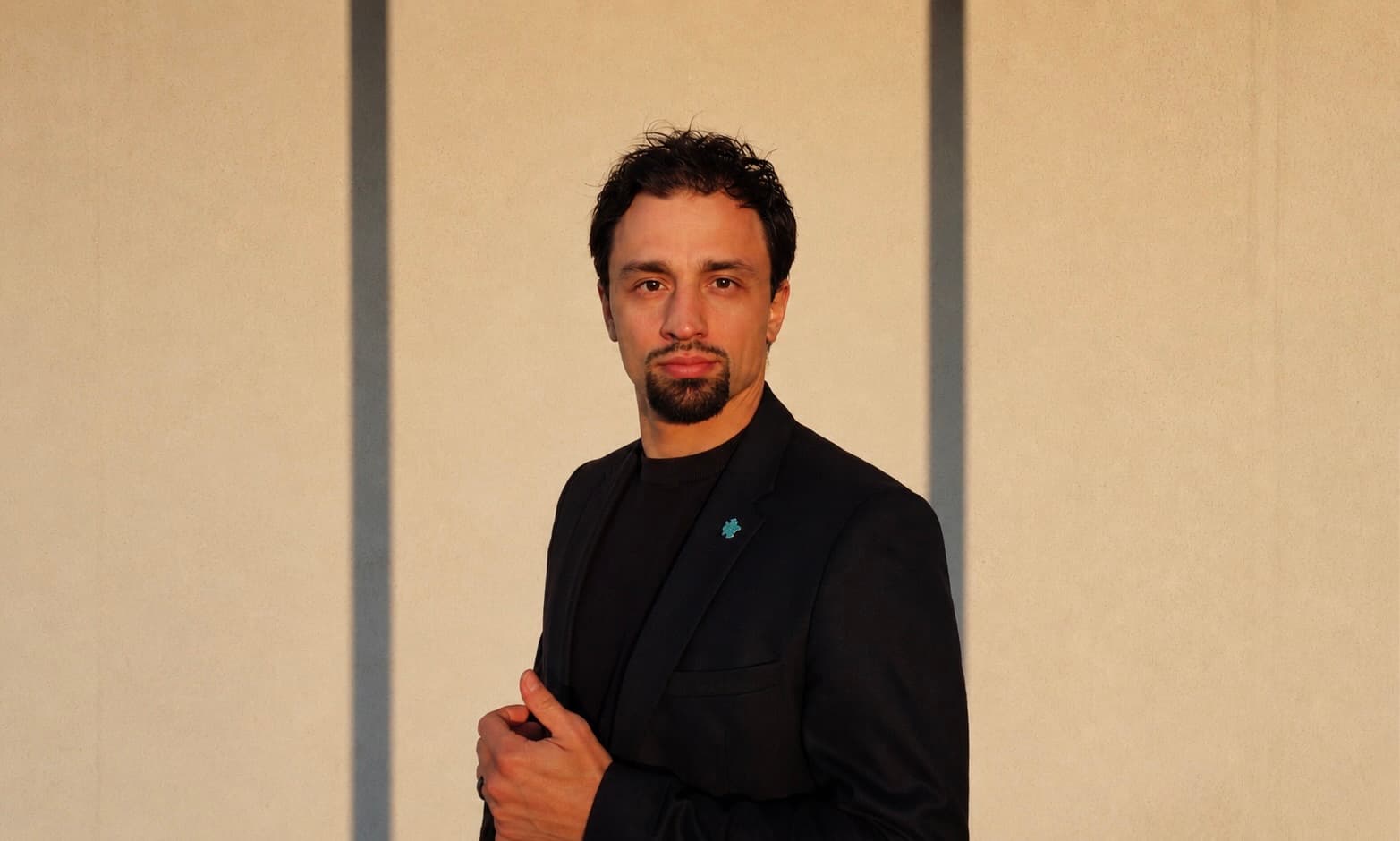
Anton Sinkovskii
: The buyer profile today is quite diverse. We work with end-users, investors, families, people relocating from other cities, and Romanians returning from abroad. What changed the most over the last few years is not necessarily who buys, but how they make decisions. Buyers became much more rational and analytical. A few years ago, decisions were often more emotional and much faster. Today people pay attention to long-term value, build quality, maintenance costs, infrastructure around the project, and overall living experience.There are also certain things buyers are no longer willing to compromise on: location, functionality of the layout, natural light, green areas, and construction quality. In that sense, I think projects like Noua Residence 2 fit the current market quite well because they focus not only on the apartment itself, but on the overall environment people live in.
4. Construction costs, interest rates and the new fiscal framework have all reshaped affordability in 2025–2026. How is KRONBAU pricing its units in this environment, and what role do pre-sales, staged payment plans and bank financing play in your commercial strategy?
Anton Sinkovskii
: The market definitely became more sensitive over the past couple of years. Construction costs increased, financing became more expensive, and recent fiscal changes — especially VAT adjustments — affected affordability quite noticeably. Prices moved up, while incomes naturally cannot grow at the same speed. In this environment, we try to stay disciplined with pricing and realistic about what the end customer can actually afford. At the same time, flexibility became extremely important. Payment structures, financing options, and timing can make a big difference in helping buyers move forward with a decision. One important advantage for us is that our projects are fully completed and intabulated. For clients, that creates much more confidence — they can secure bank financing more easily, move in immediately, or start operating commercial spaces without delays. In uncertain periods, buyers value certainty much more than promises.
5. The Noua Residence 2 concept is built around green spaces and a "park living" idea. Beyond the marketing language, what concrete standards, energy class, certifications, materials, common-area design, does KRONBAU commit to, and how much do those features actually weigh in a buyer's decision today?
Anton Sinkovskii
: For us, “park living” was never just a marketing phrase. It influenced many practical decisions within the project — lower density, more open space, larger windows, accessible rooftop areas with panoramic views, functional layouts, and a stronger focus on natural light and everyday comfort. People spend more time at home, work remotely more often, and pay closer attention to how a place actually feels in everyday life. Energy efficiency and long-term maintenance costs have also become far more relevant for buyers than they were several years ago. We purposefully invested in quality brick construction, rock wool insulation and a combination of radiator and underfloor heating systems in key living areas – all of it to meet high class energy-performance standards.
6. From a commercial perspective, what are the biggest obstacles you face in Romania today: permitting timelines, infrastructure around the project gates, lending appetite, buyer hesitation, or competition from the second-hand stock? Where would you most like to see the playing field improve?
Anton Sinkovskii
: Romania remains a very interesting and developing market, but like any growing market, it comes with its own challenges. Permitting timelines can sometimes be unpredictable and certain fiscal or legislative changes may come quite suddenly. At the same time, this is also part of a market that is still evolving and shaping itself. Personally, I think more predictability in these areas would help the entire sector — not only developers, but also end buyers. Greater stability attracts more long-term investment, improves planning, and ultimately creates a healthier environment for everyone involved.
7. Looking 12 to 24 months ahead, what is your reading of the Romanian residential market, and what should our readers expect from KRONBAU next: new phases at Noua Residence, new locations in Brașov county, or expansion to other cities?
Anton Sinkovskii
: I don’t think the Romanian residential market will slow down dramatically, but I do believe it will remain much more selective. Demand still exists, although buyers are now more careful, more analytical, and less impulsive than before. For KRONBAU, the focus remains on Noua Residence and Noua Residence 2. Within the existing portfolio, there are still attractive opportunities available — including larger penthouse units and selected commercial spaces that can be very interesting for end users or investors. More broadly, I think the next couple of years in real estate will be less about aggressive expansion and more about precision: understanding the market correctly, positioning projects realistically, and creating long-term value rather than short-term hype. *