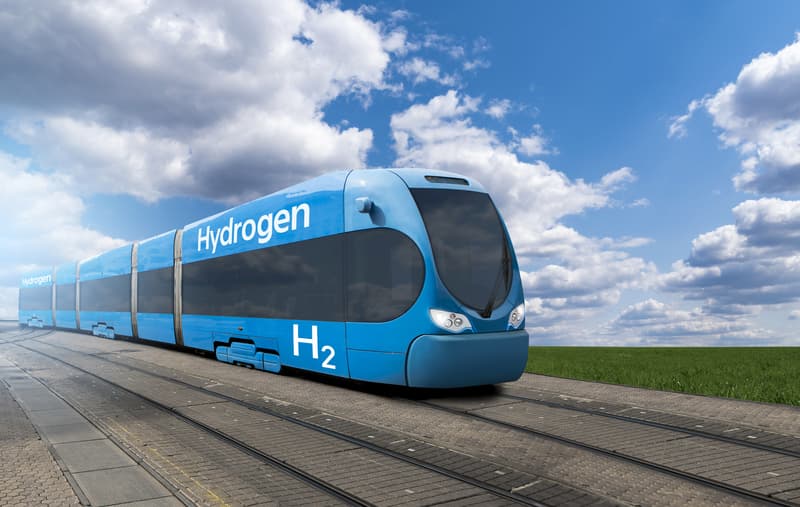
Romanian railway authority seeking financing for 12 new Siemens hydrogen trains
The Railway Reform Authority, or ARF, announced on Thursday, April 17, that it is looking for a new source of financing for the 12 hydrogen trains that are to be delivered to Romania by the German manufacturer Siemens.
Romania lost the initial funds from the National Recovery and Resilience Plan (PNRR) for the purchase after it cancelled the tender three times. The acquisition had a budget of EUR 360 million from the PNRR and the state budget.
The tender failed three times, either because ARF had not received any offers from manufacturers or because the submitted offer was non-compliant. Delays led to the loss of PNRR funding.
The trains had to be delivered by August 31, 2026, to receive PNRR financing, but the deadline was missed.
Eventually, Germany’s Siemens Mobility Association, composed of Siemens Mobility SRL, Siemens Mobility GmbH, and Siemens Mobility Austria GmbH, won the tender for 12 electric multiple units powered by hydrogen fuel cells, intended for passenger rail transport, as well as the acquisition of maintenance and repair services for these units. The company was the only bidder in the tender.
The offer was validated, and the contract was awarded on Wednesday, April 15. The tender is valued at RON 1.61 billion, excluding VAT, and the maintenance period is 30 years.
“The project initially benefited from financing through the National Recovery and Resilience Plan, and at present, the Managing Authority (DGPET) within the Ministry of Transport and Infrastructure is undertaking the necessary steps to ensure a new source of financing to implement the project,” ARF stated, cited by Economedia.
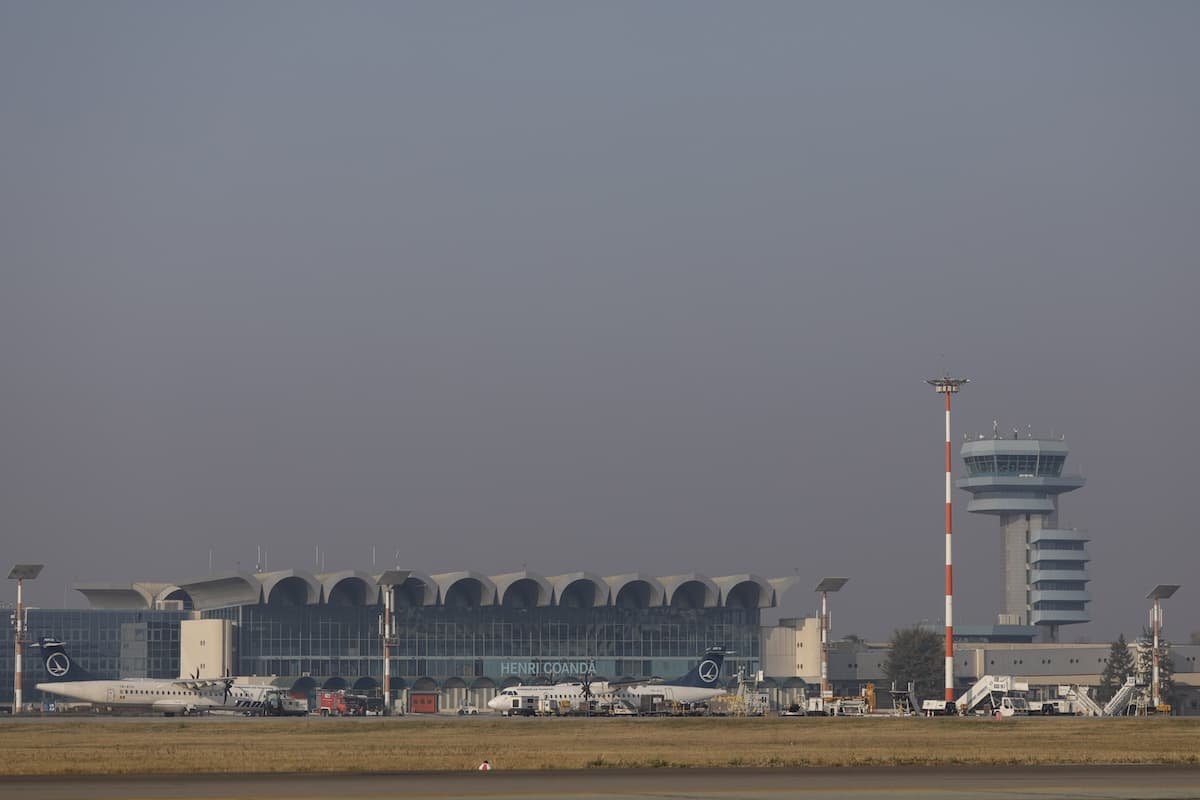
The 12 units will be used for routes under public service contracts, on non-electrified lines, connecting cities like Bucharest and Pitești, Târgoviște, and Curtea de Argeș, but also the Henri Coandă Airport.
Hydrogen train technology is relatively new, with only a few countries, such as Italy, Germany, and France, having such trains in operation. Essentially, hydrogen on board is mixed with oxygen from the surrounding air, using a fuel cell. This produces the electrical energy needed to power the train.
Hydrogen trains are particularly relevant for small regional lines, where the cost of transitioning to electric energy is too high compared to the profitability of the connection.
(Photo source: Scharfsinn86|Dreamstime.com)