


Spot electricity price in Romania up 25% m/m, doubles y/y in August

03 September 2026

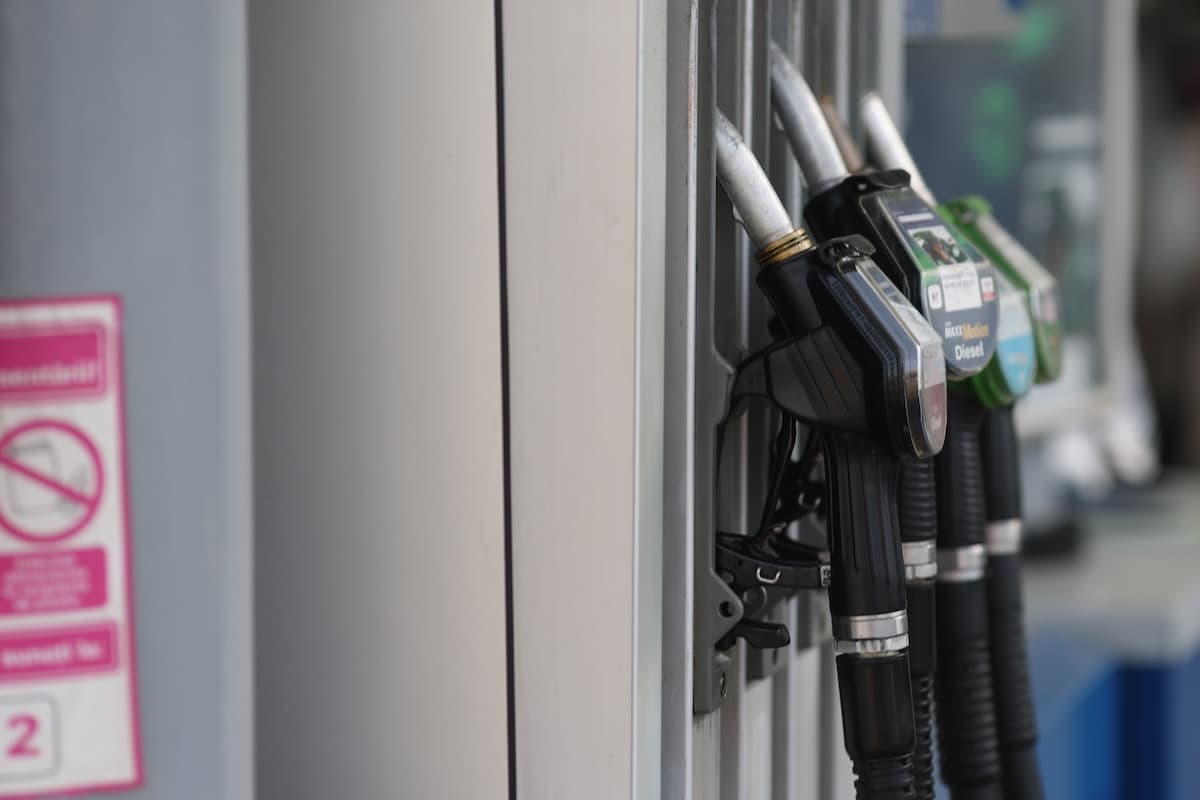
The average price on Romania’s day-ahead market (DAM) reached RON 793 (some EUR 150) per MWh in August, up around 25% from July and more than double the RON 396 per MWh recorded in August 2025, according to Economica.net and Profit.ro, which compiled data from the local market system operator OPCOM and the European association ENTSO-E.

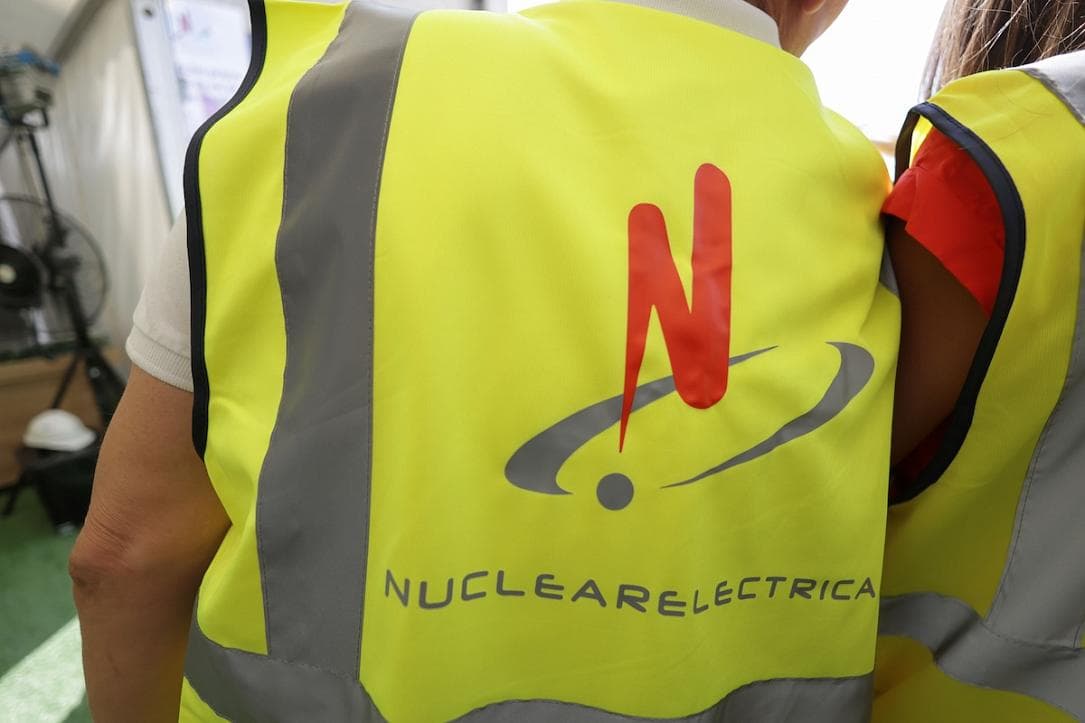
The Cernavodă nuclear power plant operated with only one of its two units for 13 days and was completely shut down for the rest of the month due to the low flow of the Danube, which dropped to historic levels and no longer allowed the reactors to be adequately cooled. In parallel, also due to the lack of water, hydropower production was massively reduced.

Even though batteries have been installed on a rolling basis in Romania in recent months, the storage capacity, now at 2,300 MWh, is nowhere near sufficient to cover peak evening consumption with electricity released from batteries charged with solar energy during the day.

Therefore, during the evening and night hours, consumption relied on significant and expensive imports, putting additional pressure on prices. The increased use of gas-fired power plants and coal-fired units also contributed to higher average prices.

This evolution will put pressure on suppliers’ offers to households, which should increase the commodity component of electricity prices by a few percentage points. The cost of electricity accounts for only approximately 50% of the total end-user price, with the remainder consisting of fees charged by transmission and distribution companies, as well as taxes.

Despite all the price increases prompted by the harsh natural conditions that caused the shutdown of the Cernavodă nuclear power plant, Romania had only the sixth-highest spot price among the EU’s most expensive markets, according to Profit. Higher prices than in Romania were recorded in Ireland, Hungary, Slovenia and Croatia, while prices were marginally lower in Slovakia and Austria. This points to a supply deficit across the Central European area, probably also influenced by the low level of the Danube.

For the year-to-date period, Romania had the fourth-highest spot electricity price in the EU, with an average daily price of EUR 120 per MWh, surpassed only by Italy, Ireland and Hungary. Immediately behind Romania in the ranking are the same Central European countries, confirming the generation and transmission constraints affecting the region.

Romania ended 2025 in fourth place among the EU’s most expensive spot electricity markets, with an average daily price throughout the year of EUR 108.17/MWh, surpassed only by Ireland (EUR 116.55/MWh), Italy (EUR 115/MWh) and Hungary (EUR 108.5/MWh).

Although Romania dropped one place compared with the previous year, when it ranked third, having been overtaken by Hungary, its average day-ahead electricity price in 2025 was nevertheless almost EUR 5, or 4.5%, higher than in 2024, when it stood at EUR 103.5/MWh.

iulian@romania-insider.com

(Photo source: Madamlead/Dreamstime.com)

Normal

Spot electricity price in Romania up 25% m/m, doubles y/y in August

03 September 2026

The average price on Romania’s day-ahead market (DAM) reached RON 793 (some EUR 150) per MWh in August, up around 25% from July and more than double the RON 396 per MWh recorded in August 2025, according to Economica.net and Profit.ro, which compiled data from the local market system operator OPCOM and the European association ENTSO-E.

The Cernavodă nuclear power plant operated with only one of its two units for 13 days and was completely shut down for the rest of the month due to the low flow of the Danube, which dropped to historic levels and no longer allowed the reactors to be adequately cooled. In parallel, also due to the lack of water, hydropower production was massively reduced.
Even though batteries have been installed on a rolling basis in Romania in recent months, the storage capacity, now at 2,300 MWh, is nowhere near sufficient to cover peak evening consumption with electricity released from batteries charged with solar energy during the day.

Therefore, during the evening and night hours, consumption relied on significant and expensive imports, putting additional pressure on prices. The increased use of gas-fired power plants and coal-fired units also contributed to higher average prices.

This evolution will put pressure on suppliers’ offers to households, which should increase the commodity component of electricity prices by a few percentage points. The cost of electricity accounts for only approximately 50% of the total end-user price, with the remainder consisting of fees charged by transmission and distribution companies, as well as taxes.

Despite all the price increases prompted by the harsh natural conditions that caused the shutdown of the Cernavodă nuclear power plant, Romania had only the sixth-highest spot price among the EU’s most expensive markets, according to Profit. Higher prices than in Romania were recorded in Ireland, Hungary, Slovenia and Croatia, while prices were marginally lower in Slovakia and Austria. This points to a supply deficit across the Central European area, probably also influenced by the low level of the Danube.

For the year-to-date period, Romania had the fourth-highest spot electricity price in the EU, with an average daily price of EUR 120 per MWh, surpassed only by Italy, Ireland and Hungary. Immediately behind Romania in the ranking are the same Central European countries, confirming the generation and transmission constraints affecting the region.

Romania ended 2025 in fourth place among the EU’s most expensive spot electricity markets, with an average daily price throughout the year of EUR 108.17/MWh, surpassed only by Ireland (EUR 116.55/MWh), Italy (EUR 115/MWh) and Hungary (EUR 108.5/MWh).

Although Romania dropped one place compared with the previous year, when it ranked third, having been overtaken by Hungary, its average day-ahead electricity price in 2025 was nevertheless almost EUR 5, or 4.5%, higher than in 2024, when it stood at EUR 103.5/MWh.

iulian@romania-insider.com

(Photo source: Madamlead/Dreamstime.com)

Normal

Romania Insider Free Newsletters