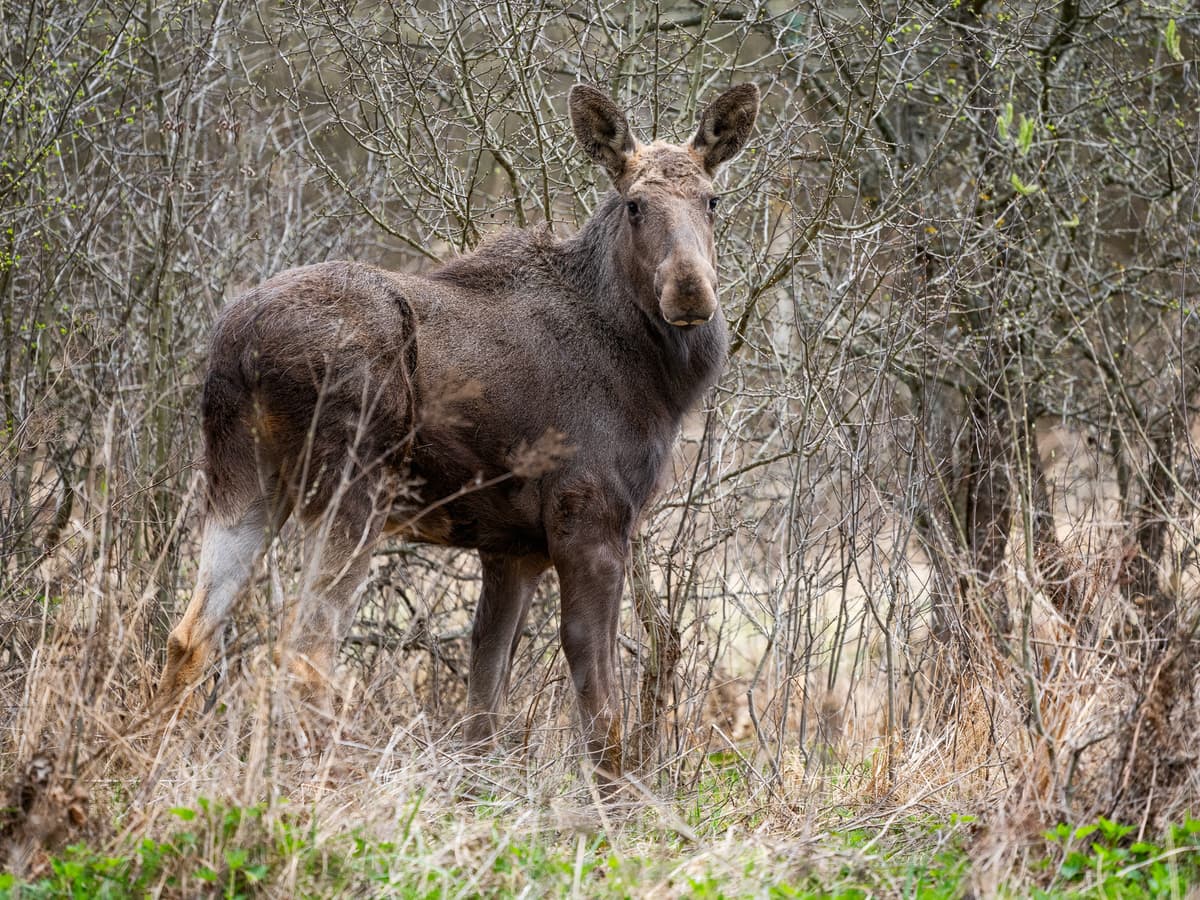
Historic comeback: Moose reintroduced to Romania’s Vânători-Neamț Natural Park
Romania marked a major step in biodiversity restoration with the reintroduction of the moose to the wild after more than two centuries. Four animals arrived in the Vânători-Neamț Natural Park, in what was described as a historic moment for conservation.
The four moose (Alces alces) were brought from wildlife centers in Germany, France, and Switzerland, following a rigorous selection process aimed at ensuring proper acclimatization and long-term reproductive success, according to the official announcement.
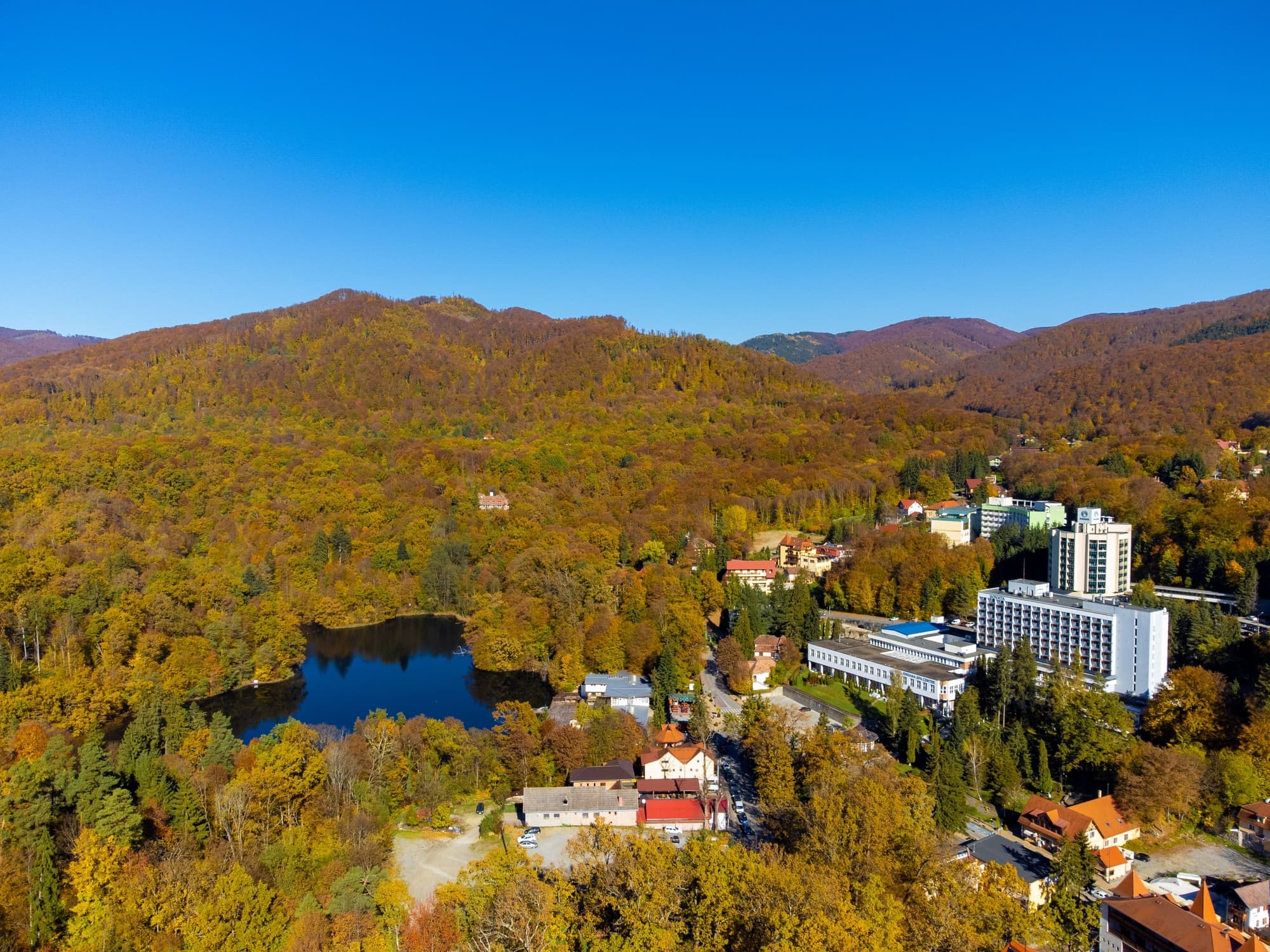
Before being introduced to the wild, the animals will undergo a mandatory 30-day quarantine period, during which only park staff will have access. Afterward, visitors will be able to observe them from a distance.
The initiative is led by Romsilva – through the park’s administration – in partnership with the Association for Ecotourism in Romania, the Association for the Conservation of Biological Diversity, and the Mioritics Association.
The experts mentioned the species’ key ecological role. As the largest member of the deer family, the moose is considered an “ecosystem engineer,” consuming large amounts of shrub vegetation and helping maintain the balance of wetlands and clearings. Its feeding behavior also creates microhabitats for plants, birds, insects, and small mammals, while its presence signals a healthy, unpolluted environment.
“Bringing moose back is an act of moral restoration toward nature, the beginning of a gradual process built on scientific foundations and a long-term vision for the species’ presence in the wild. Alongside the reintroduction of the European bison, this new step concerning the moose can strengthen the park’s status as a benchmark for nature conservation in Romania,” said Sebastian Cătănoiu, director of Vânători-Neamț Natural Park.
The moose disappeared from Romania in the early 19th century, after being widely hunted for meat. Historical records, including those by Dimitrie Cantemir, refer to the species - once known locally as “plotun” - as part of the region’s fauna. Sporadic sightings were reported in the 20th century, but no stable population remained.
Beyond conservation, the project is expected to boost ecotourism in the “Land of the Bison” region, where visitors can explore a growing network of attractions, including interactive exhibitions, thematic trails, and wildlife observation areas.
irina.marica@romania-insider.com
(Photo source: press release, by Gheorghe Popa)