Dacia and Ford halt production for maintenance as Romania seeks to cut energy use, PM says

04 August 2026

Automakers Dacia and Ford have temporarily halted production at their Romanian plants until August 19 for scheduled maintenance, a move that will also reduce electricity demand by around 200 MW as the country faces pressure on its energy system, interim prime minister Ilie Bolojan announced. Other major industrial consumers are also cutting consumption, while authorities are urging public institutions to save electricity during peak evening hours.

Acting prime minister and energy minister Ilie Bolojan said Monday, August 3, that Dacia and Ford had stopped production at their plants in Mioveni and Craiova, respectively.

“One of the measures that some companies have already implemented is carrying out maintenance and repair work. Two major companies and large energy consumers, Dacia and Ford, have halted production as of today until August 19, which means savings of around 200 MW,” he stated.

The shutdowns are part of scheduled annual maintenance programs announced earlier this year and are not a direct response to Romania's current energy situation, according to Automarket.ro. However, their timing means the two plants' lower consumption will help reduce pressure on the national electricity system.

Ilie Bolojan said several other companies are expected to take similar steps to voluntarily reduce electricity consumption, particularly during the evening peak.

“Other companies will also make this decision so that we have a voluntary reduction in energy consumption during the evening hours," he said.

The prime minister also called on local authorities and public institutions to reduce electricity use in the evening, including by limiting architectural lighting and lowering the intensity of public lighting where remote management systems allow it. One such example is the city of Iași, in eastern Romania, where the City Hall decided to dim the lights on the streets.

The PM specifically pointed to the period between 9 pm and 11 pm, when Romania is seeking to curb demand as domestic electricity production has been affected by severe drought and historically low Danube water levels.

Ilie Bolojan also said the government could adopt a decision in the coming days establishing a mechanism to temporarily limit electricity consumption by major industrial users if voluntary reductions prove insufficient. Under the mechanism, large consumers could receive 24 hours' notice setting limits on their electricity use, depending on their production technology and the capacity of the National Energy System to meet overall demand.

“This is a reserve measure, a mechanism that we are putting in place in accordance with the legal provisions so that we can take coordinated measures, if necessary, in the coming days," Bolojan said.

In a related move, wood-based panel producer Kronospan announced that it would gradually shut down some production lines to reduce its electricity consumption by as much as 50%. The company, one of Romania's major industrial electricity consumers, said the measure was being taken in response to calls for industrial operators to help balance the national energy system.

According to Agerpres, the Roman Catholic Archdiocese of Bucharest also announced that it will suspend exterior lighting at St. Joseph's Cathedral and other churches for the duration of the energy state of alert.

Romania declared a nationwide energy state of alert for August amid reduced electricity generation caused by severe drought and exceptionally low river levels. Unit 1 of the Cernavodă nuclear power plant remains shut down because of low Danube levels, while Unit 2 continues operating under close monitoring.

irina.marica@romania-insider.com

(Photo source: Gov.ro)

Normal

Dacia and Ford halt production for maintenance as Romania seeks to cut energy use, PM says

04 August 2026

Automakers Dacia and Ford have temporarily halted production at their Romanian plants until August 19 for scheduled maintenance, a move that will also reduce electricity demand by around 200 MW as the country faces pressure on its energy system, interim prime minister Ilie Bolojan announced. Other major industrial consumers are also cutting consumption, while authorities are urging public institutions to save electricity during peak evening hours.

Acting prime minister and energy minister Ilie Bolojan said Monday, August 3, that Dacia and Ford had stopped production at their plants in Mioveni and Craiova, respectively.

“One of the measures that some companies have already implemented is carrying out maintenance and repair work. Two major companies and large energy consumers, Dacia and Ford, have halted production as of today until August 19, which means savings of around 200 MW,” he stated.

The shutdowns are part of scheduled annual maintenance programs announced earlier this year and are not a direct response to Romania's current energy situation, according to Automarket.ro. However, their timing means the two plants' lower consumption will help reduce pressure on the national electricity system.

Ilie Bolojan said several other companies are expected to take similar steps to voluntarily reduce electricity consumption, particularly during the evening peak.

“Other companies will also make this decision so that we have a voluntary reduction in energy consumption during the evening hours," he said.

The prime minister also called on local authorities and public institutions to reduce electricity use in the evening, including by limiting architectural lighting and lowering the intensity of public lighting where remote management systems allow it. One such example is the city of Iași, in eastern Romania, where the City Hall decided to dim the lights on the streets.

The PM specifically pointed to the period between 9 pm and 11 pm, when Romania is seeking to curb demand as domestic electricity production has been affected by severe drought and historically low Danube water levels.

Ilie Bolojan also said the government could adopt a decision in the coming days establishing a mechanism to temporarily limit electricity consumption by major industrial users if voluntary reductions prove insufficient. Under the mechanism, large consumers could receive 24 hours' notice setting limits on their electricity use, depending on their production technology and the capacity of the National Energy System to meet overall demand.

“This is a reserve measure, a mechanism that we are putting in place in accordance with the legal provisions so that we can take coordinated measures, if necessary, in the coming days," Bolojan said.

In a related move, wood-based panel producer Kronospan announced that it would gradually shut down some production lines to reduce its electricity consumption by as much as 50%. The company, one of Romania's major industrial electricity consumers, said the measure was being taken in response to calls for industrial operators to help balance the national energy system.

According to Agerpres, the Roman Catholic Archdiocese of Bucharest also announced that it will suspend exterior lighting at St. Joseph's Cathedral and other churches for the duration of the energy state of alert.

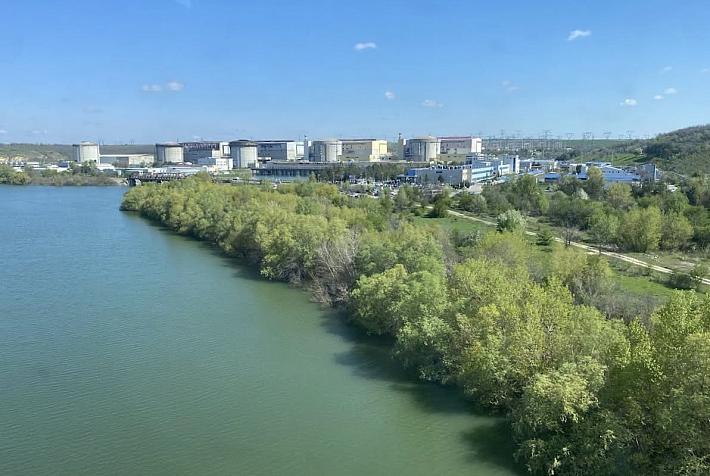
Romania declared a nationwide energy state of alert for August amid reduced electricity generation caused by severe drought and exceptionally low river levels. Unit 1 of the Cernavodă nuclear power plant remains shut down because of low Danube levels, while Unit 2 continues operating under close monitoring.

irina.marica@romania-insider.com

(Photo source: Gov.ro)
Normal

Romania Insider Free Newsletters