A globally respected diploma, still underrated in Eastern Europe — and how parents can see it in practice
On May 5, a special Open Day will take place during actual school hours — an unusual format designed to move beyond presentation and offer a real-time view of the school while classes are in progress.
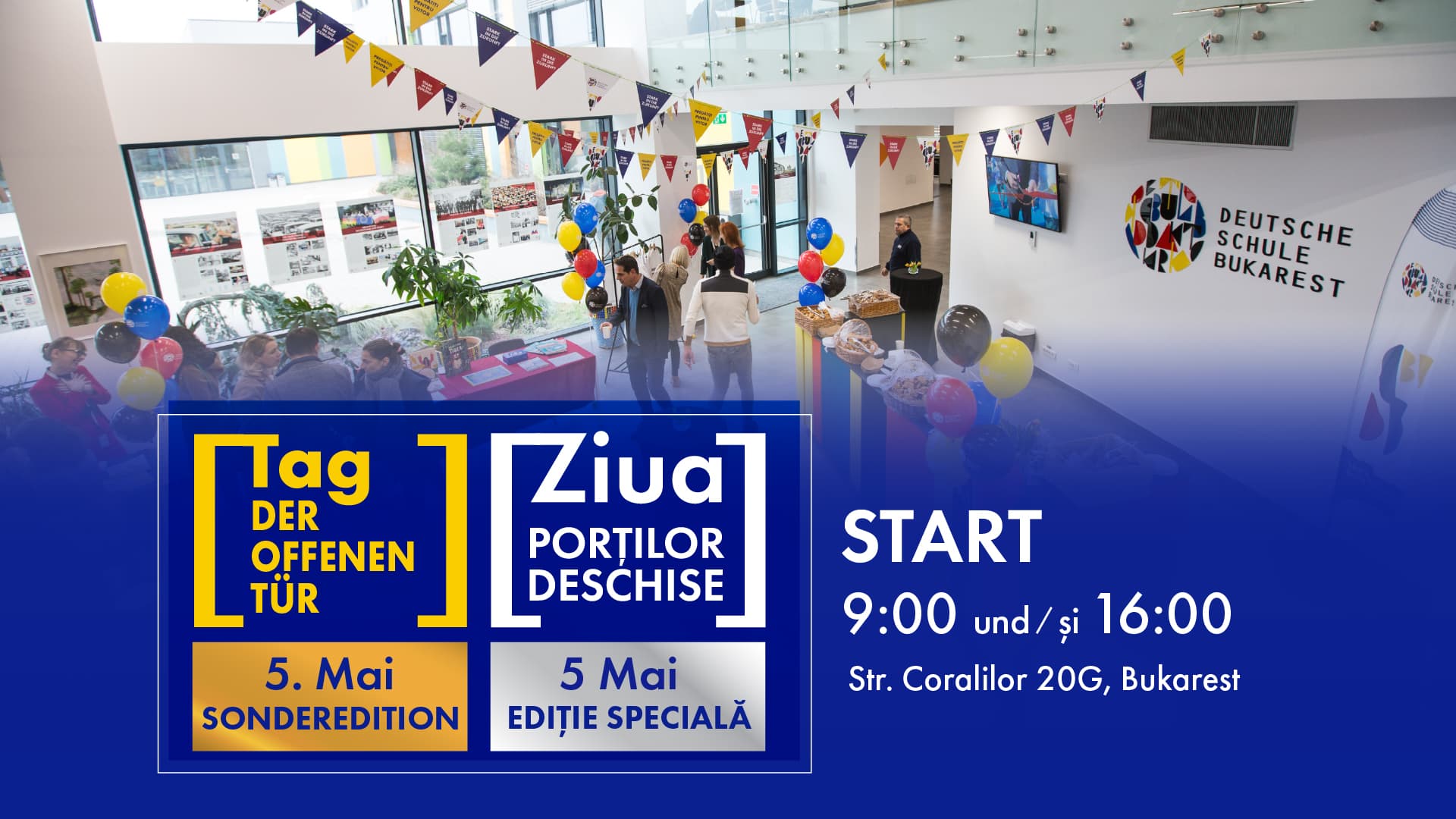
On May 5, a special Open Day will take place during actual school hours — an unusual format designed to move beyond presentation and offer a real-time view of the school while classes are in progress.
Instead of guided tours built around prepared moments, parents will be invited into an active school day, with scheduled visits at 9:00 AM and 4:00 PM. The aim is simple: to offer a direct view into how teaching, learning, and interaction unfold in real time. This approach reflects a shift in how families evaluate education. Rather than relying only on reputation or general perception, parents are increasingly interested in understanding how a school actually works — how students learn, how teachers engage, and what the day-to-day reality looks like. It is often in this context that the question of academic outcomes naturally appears. While qualifications such as the International Baccalaureate (IB) are widely recognized across Europe, the Deutsches Internationales Abitur (DIA) often stays under the radar in Eastern Europe — not because of its level, but because of its visibility. In reality, the DIA stands among the most demanding secondary school qualifications in Europe and is highly regarded by universities worldwide. It opens direct access to leading institutions in countries such as the Netherlands, France, the United Kingdom, and the United States. What often remains less visible is how this level is built. The DIA combines academic performance from the final two years of study with a series of centralized examinations. Students are required to sit written exams in core subjects such as German, English, and a scientific discipline, alongside oral examinations that test not only knowledge, but the ability to think, argue, and respond in real time. Language proficiency is not treated as a secondary skill, but as an academic tool. English is developed to an advanced level, enabling students to study and operate confidently in international academic environments. In addition, students can choose a second foreign language — such as French — as part of their examination profile, reaching a level that allows them to move between different academic systems without additional preparation. Students also complete interdisciplinary projects that require them to connect knowledge across subjects and present it in a structured, academically rigorous way — a format that closely mirrors university expectations. Developed within the German education system and overseen by the Zentralstelle für das Auslandsschulwesen (ZfA), the DIA is best understood not through how it is explained, but through the standard it sets — and the way students learn to meet it. By the time they graduate, students are expected to handle complex material with clarity, structure their thinking, and engage in academic dialogue with confidence — a level that universities tend to recognize immediately. This becomes clear when seen in practice. On May 5, Internationale Deutsche Schule Bukarest (iDSBU) opens its doors during an active school day, offering parents the chance to see exactly how this level is built. *
Free newsletters
Romania, in your inbox before your first coffee.
Get the Daily — the morning briefing, free, in English, unsubscribe anytime. Want business, real estate or travel digests too? Pick your newsletters →