Romania shuts down both nuclear power reactors as Danube levels plunge, PM urges energy savings

30 July 2026

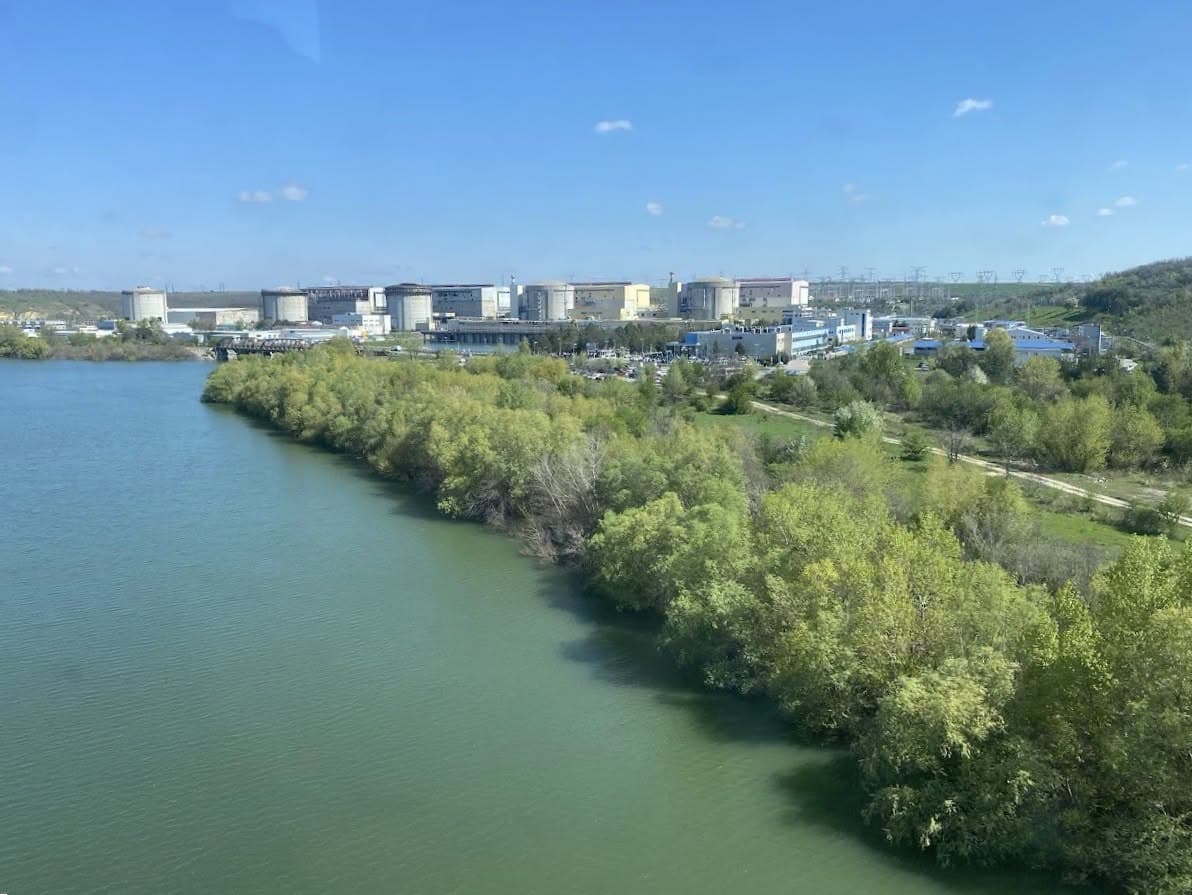
Romania has shut down both reactors at the Cernavodă nuclear power plant after the Danube's water level fell to exceptionally low levels due to severe drought, taking offline a facility that normally supplies around one-fifth of the country's electricity. Interim prime minister Ilie Bolojan urged households and large industrial consumers to reduce electricity use during evening peak hours as authorities prepare to rely more heavily on gas-fired generation and imports.

State-owned nuclear power producer Nuclearelectrica announced on Wednesday, July 29, that it would carry out a controlled shutdown of Unit 2 after Unit 1 was taken offline earlier this week for the same reason.

“Similar to the shutdown of Unit 1, Unit 2 will be shut down in a controlled manner due to the extremely low, unprecedented water level of the Danube caused by severe drought, in accordance with the plant’s procedures applicable in situations of severe drought," the company said in a filing to the Bucharest Stock Exchange.

Nuclearelectrica explained that the decision follows the latest forecasts issued by the National Institute of Hydrology and Water Management (INHGA) and was taken in line with nuclear safety procedures.

“Such measures are preventive and aim to protect nuclear safety and the reliability of the facilities," the company said, adding that it will reconnect the reactors once operating conditions allow.

Speaking to Digi24, prime minister Ilie Bolojan said the two reactors together produce about 1,300 MW, equivalent to nearly 20% of Romania's current electricity consumption.

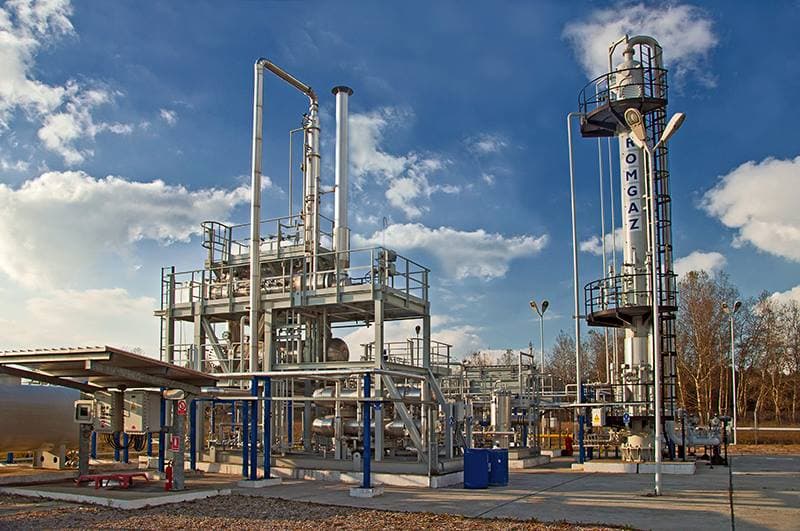
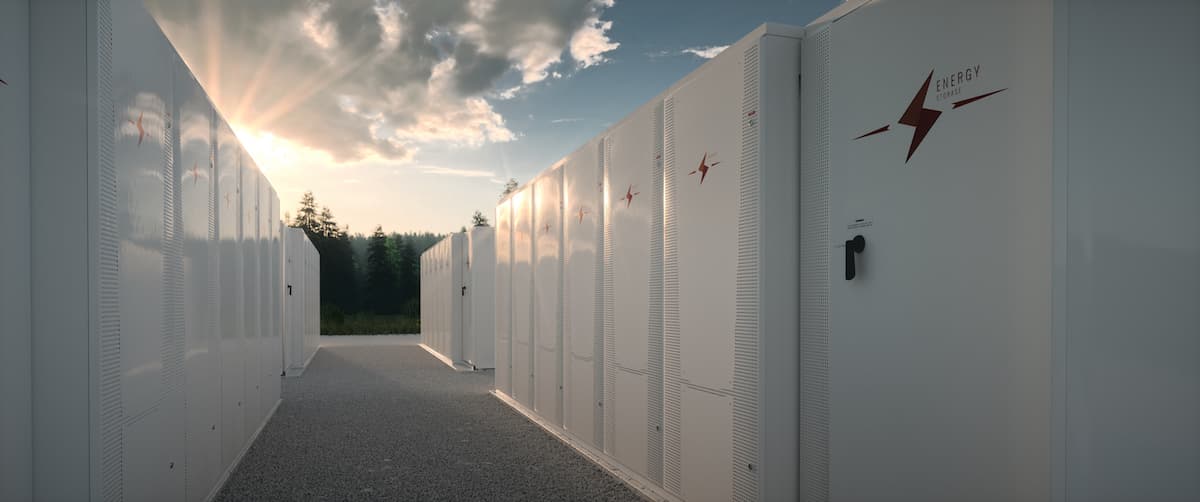
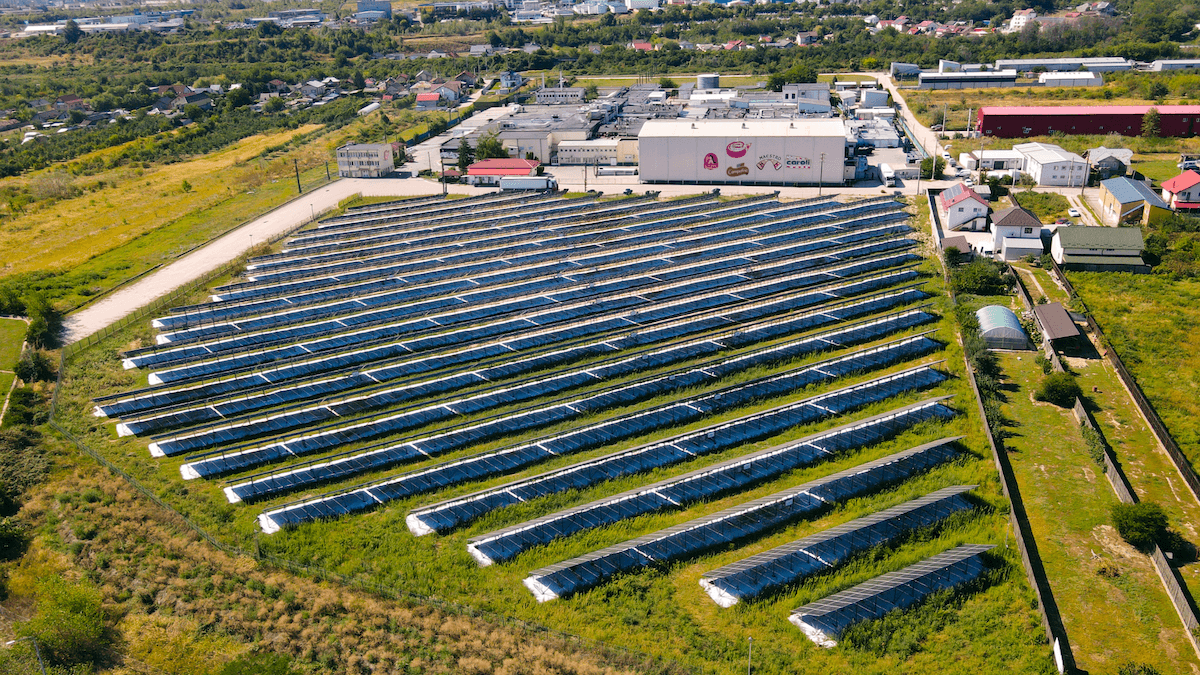
“We will be forced to start everything we can in terms of gas-fired generation, photovoltaic, storage and wind power and, at the same time, rely on imports," he said.

The official described the period between 8:00 p.m. and 11:00 p.m. as the most critical for the electricity system and appealed to consumers to cut demand during those hours.

“The critical period for electricity imports is in the evening, between 8:00 p.m. and 11:00 p.m. To give you an idea, out of Romania's current electricity demand of around 7,000 MW, we have been importing about 1,700 MW during those evening hours in recent days. This means we will have to import somewhat larger quantities. At the moment there are no problems with imports, but such problems could arise in the coming period," he warned.

According to the prime minister, the effects of the drought are also being felt in other countries, including Hungary, where one of the units at the Paks nuclear power plant has been taken offline.

According to current weather forecasts, the reactors could remain offline for one to two weeks if the drought persists.

In an update on July 29, the National Administration Apele Române said the Danube's flow at the country's entrance is forecast to fall to around 1,500 cubic metres per second in early August, close to the record low of 1,400 cubic metres per second recorded in 1985. The current flow is about one-third of the long-term July average of 4,750 cubic metres per second.

The water authority said severe drought conditions persist across the Danube basin and that no significant improvement is expected in the coming days, although there are currently no restrictions on public drinking water supplies.

irina.marica@romania-insider.com

(Photo source: Facebook/Apele Române)

Normal

Romania shuts down both nuclear power reactors as Danube levels plunge, PM urges energy savings

30 July 2026

Romania has shut down both reactors at the Cernavodă nuclear power plant after the Danube's water level fell to exceptionally low levels due to severe drought, taking offline a facility that normally supplies around one-fifth of the country's electricity. Interim prime minister Ilie Bolojan urged households and large industrial consumers to reduce electricity use during evening peak hours as authorities prepare to rely more heavily on gas-fired generation and imports.

State-owned nuclear power producer Nuclearelectrica announced on Wednesday, July 29, that it would carry out a controlled shutdown of Unit 2 after Unit 1 was taken offline earlier this week for the same reason.

“Similar to the shutdown of Unit 1, Unit 2 will be shut down in a controlled manner due to the extremely low, unprecedented water level of the Danube caused by severe drought, in accordance with the plant’s procedures applicable in situations of severe drought," the company said in a filing to the Bucharest Stock Exchange.

Nuclearelectrica explained that the decision follows the latest forecasts issued by the National Institute of Hydrology and Water Management (INHGA) and was taken in line with nuclear safety procedures.

“Such measures are preventive and aim to protect nuclear safety and the reliability of the facilities," the company said, adding that it will reconnect the reactors once operating conditions allow.

Speaking to Digi24, prime minister Ilie Bolojan said the two reactors together produce about 1,300 MW, equivalent to nearly 20% of Romania's current electricity consumption.

“We will be forced to start everything we can in terms of gas-fired generation, photovoltaic, storage and wind power and, at the same time, rely on imports," he said.

The official described the period between 8:00 p.m. and 11:00 p.m. as the most critical for the electricity system and appealed to consumers to cut demand during those hours.

“The critical period for electricity imports is in the evening, between 8:00 p.m. and 11:00 p.m. To give you an idea, out of Romania's current electricity demand of around 7,000 MW, we have been importing about 1,700 MW during those evening hours in recent days. This means we will have to import somewhat larger quantities. At the moment there are no problems with imports, but such problems could arise in the coming period," he warned.

According to the prime minister, the effects of the drought are also being felt in other countries, including Hungary, where one of the units at the Paks nuclear power plant has been taken offline.

According to current weather forecasts, the reactors could remain offline for one to two weeks if the drought persists.

In an update on July 29, the National Administration Apele Române said the Danube's flow at the country's entrance is forecast to fall to around 1,500 cubic metres per second in early August, close to the record low of 1,400 cubic metres per second recorded in 1985. The current flow is about one-third of the long-term July average of 4,750 cubic metres per second.

The water authority said severe drought conditions persist across the Danube basin and that no significant improvement is expected in the coming days, although there are currently no restrictions on public drinking water supplies.

irina.marica@romania-insider.com

(Photo source: Facebook/Apele Române)

Normal

Romania Insider Free Newsletters