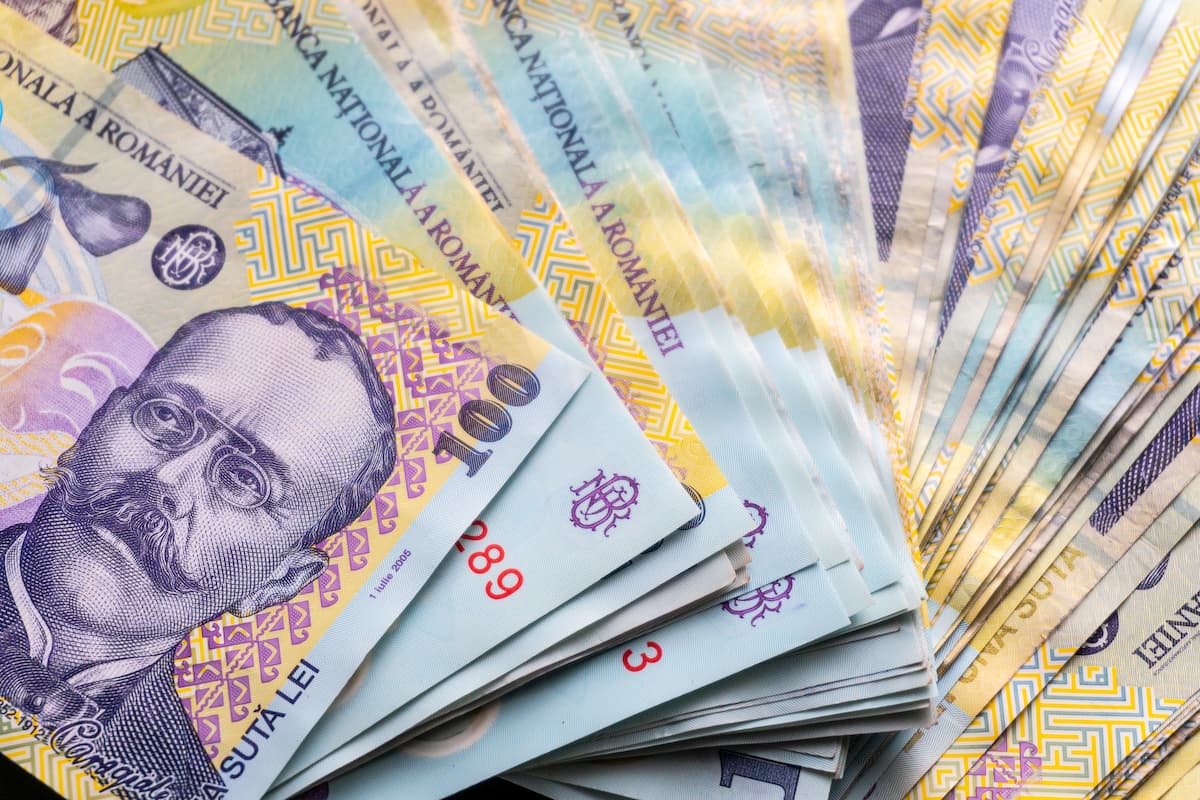
Romania had highest inflation in EU in July 2026 despite decrease
Romania still has the highest inflation in the European Union, at 8.2% in July, even though the rate fell from 9.2% in the previous month, according to data published by Eurostat on Wednesday, August 19. Overall, inflation rose slightly to 3% at the EU level in July, from 2.9% in June.
Compared with June, annual inflation fell in 15 member states, remained stable in three and increased in nine. After Romania, the next highest inflation was recorded in Lithuania, at 5.4%, and in Cyprus and Bulgaria, both at 4.4%.

At the opposite end, Sweden had the lowest annual inflation, at 0.3%, followed by Czechia, at 1.3%, and Denmark and Hungary, at 1.6% each.
In the euro area, the rate rose from 2.8% to 2.9% in July. The largest contribution to inflation in the euro area came from services, with 1.55%, followed by energy, with 0.94%, and food, alcohol and tobacco, with 0.23%.
In Romania, the largest price increases were for services, at 13.67%. During the same period, prices of non-food goods increased by 7.93%, while food goods rose by 5.03%.
The National Bank of Romania (BNR) revised its inflation forecast for the end of 2026, from 3.9% to 6.1%. For the end of 2027, the BNR estimates an inflation rate of 2.9%. The new forecast puts inflation further above BNR's previous projection of 5.5%. BNR now expects inflation to return to its 2.5% +/-1pp target range only in the fourth quarter of 2027.
The central bank's inflation report points to the lingering effects of fiscal consolidation measures introduced in 2025 and early 2026, alongside supply shocks affecting energy prices. The report cites the US-Iran war and the extreme decline in Danube water levels among factors pushing up the prices of oil, gas and electricity.
(Photo source: Pfongabe33|Dreamstime.com)