Market incentives and rising installed RES-E capacity encourage more BESS investment in Romania
During August, the power output capacity of Romania’s BESS installations increased by 100 MW, while their storage capacity rose by 335 MWh, indicating significant expansion and a shift towards equipment with longer discharge durations.
iulian ernst · Journalist
· Updated · 1 min read
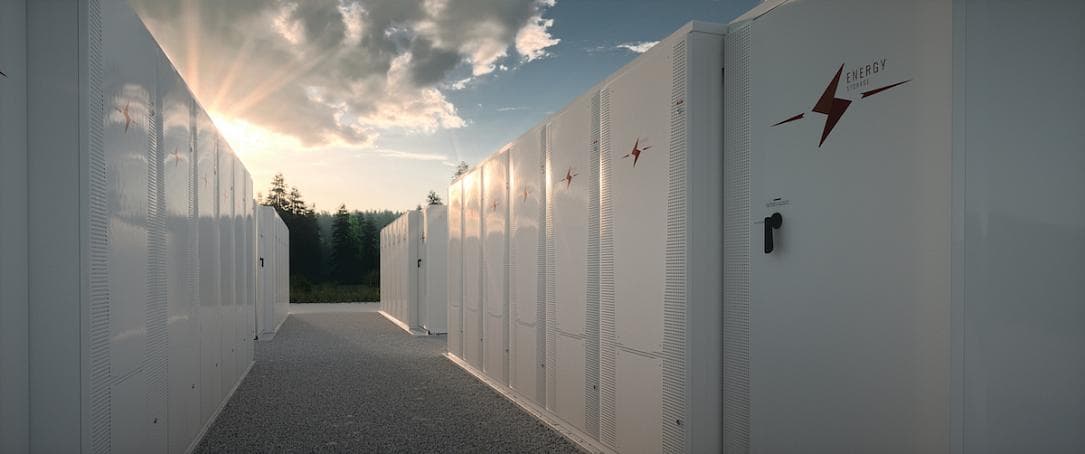
During August, the power output capacity of Romania’s BESS installations increased by 100 MW, while their storage capacity rose by 335 MWh, indicating significant expansion and a shift towards equipment with longer discharge durations.
At the end of the month, Romania reached 1,094 MW of installed BESS power capacity and 2,310 MWh of storage capacity, Economica.net reported.
The largest storage facility to enter commercial operation last month was the 160 MWh Glodeni 3 battery, operated by Energyglod, owned by businessman Claudiu Șugar.
The largest battery in Romania is the 400 MWh facility in Florești, Cluj County, operated by Nova Power and Gas, part of the Romanian group E-Infra, which is currently the market leader in terms of installed storage capacity. It is followed by the 300 MWh battery operated by Belgian company Aukera in Gura Ialomiței and the 206 MWh facility in Iaz, operated by Energy Capital Group, part of Turkey’s GÜRİŞ group.
Romania already has significant solar capacity installed, with more than 4,000 MW of dispatchable capacity, which can charge batteries at midday and then discharge electricity during the evening peak, when demand is highest.
At peak times, producers are sometimes forced to disconnect their facilities, where possible, or pay consumers to take surplus electricity, resulting in negative prices. In the first half of the year, the number of hours with negative prices increased by 33% in Germany and by 237% in Spain compared with the first half of 2024, according to Digi24. European network operators plan to spend hundreds of billions of euros on grid modernisation over the next decade.
(Photo source: Malpetr/Dreamstime.com)
Free newsletters
Romania, in your inbox before your first coffee.
Get the Daily — the morning briefing, free, in English, unsubscribe anytime. Want business, real estate or travel digests too? Pick your newsletters →