Almost half of Romanian parents working abroad cannot come home for Easter, survey says

07 April 2026

Almost half (45%) of Romanian parents working abroad will not spend the Easter holidays in the country with their children, while 38% say they will come home for Easter, most of them because of money, according to data from a survey conducted by Save the Children Romania among beneficiaries of the program dedicated to children with parents working abroad. 

The parents in the sample included in the organization’s latest study have been abroad for an average of six years, both mothers and fathers. More than half of the parents with children in the country are absent for one-third of their children’s childhood, especially during early primary school age and preadolescence. 

The earlier the departure occurs from the moment of the child’s birth, the greater the likelihood that the duration of the parent’s migratory behavior (number of years) will be longer, and the probability of rebuilding parent–child relationships decreases, according to the extensive sociological research carried out by Save the Children Romania in the second half of 2025.

The findings suggested that 13% of fathers working abroad and 24% of mothers are the sole providers for the family. Moreover, 22% of parents left Romania together with the child’s other parent. Around 11% of fathers and 37% of mothers are in this situation.

Around 72% of Romanian fathers who have left the country also left the children with their life partner, most often the children’s mother. By comparison, only 37% of women leave their children in the care of their life partner; the majority (62%) leave their children in the care of grandparents. Women also rely on relatives to a proportion twice as high as men: 14% in the case of women, compared to 6% in the case of men.

The main reasons for migration are low salaries compared to the family’s needs and life projects. The only significant difference between women and men is the double share among women (10% vs. 5% among men) of those who state that they did not find a job in Romania, which highlights the need for jobs for women with medium and basic education.

According to the study conducted by Save the Children in the second part of 2025 among parents working abroad in seven European countries - Italy, Germany, Spain, the United Kingdom, France, Austria and Belgium - and whose children aged between 0 and 17 are in Romania, although most children communicate daily with their parents, 17% of children speak with their parents once every two to three days or even less often.

The study highlighted that 24% of parents believe that their relationship with their child has cooled significantly since leaving abroad, and time spent together is perceived as the main lack felt by children (59% of parents). In almost half of the cases, parents observe that their children are withdrawn (49%), fearful (46%), or indifferent (43%), and 21% of children show aggression. In 19% of cases, children simultaneously exhibit all these negative behaviors.

Despite these signs of emotional distancing, only 9% of parents report that their child has benefited from the support of a psychologist since their departure abroad.

Most parents with children in school (59%) stated that they are not in direct contact with their children’s school. Contact is more frequent in the case of mothers who have left (65%) than fathers (22%), and increases with the child’s age: from 35% for primary school children, to 48% in middle school, and 50% in high school.

The collected data also showed the profile of respondents: 51% have a high school education, 32% have at most 10 grades, and 18% have university studies; 58% are fathers and 42% mothers; 37% come from urban areas and 63% from rural areas.

“Especially during holiday and vacation periods, children acutely feel the absence of the parent who has left. That is why maintaining communication and presence in the child’s life is important, even where distance does not allow physical presence,” said Gabriela Alexandrescu, Executive President of Save the Children Romania.

The scale of the phenomenon of children with parents working abroad has made it necessary to develop a network of specialized services intended for these children. The Save the Children organization has created such services, addressed both to children and their parents and to the persons in whose care the children have remained, starting in 2010. The program is currently carried out in Bucharest and 12 counties: Argeș, Caraș-Severin, Dâmbovița, Dolj, Hunedoara, Iași, Mureș, Neamț, Suceava, Tulcea, Vaslui, and Vrancea.

radu@romania-insider.com

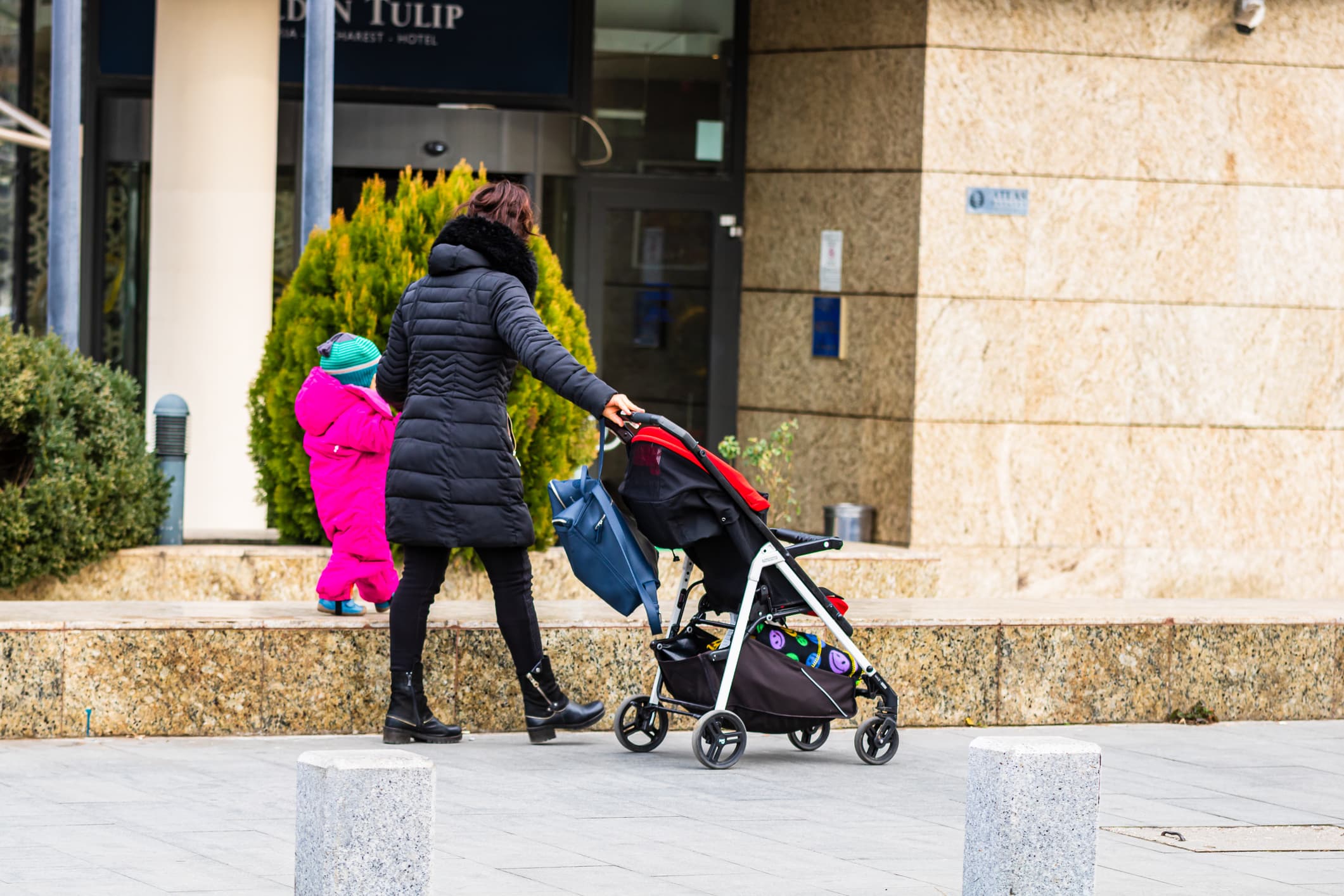
(Photo source: Vlad Ispas|Dreamstime.com)

Normal

Almost half of Romanian parents working abroad cannot come home for Easter, survey says

07 April 2026

Almost half (45%) of Romanian parents working abroad will not spend the Easter holidays in the country with their children, while 38% say they will come home for Easter, most of them because of money, according to data from a survey conducted by Save the Children Romania among beneficiaries of the program dedicated to children with parents working abroad. 

The parents in the sample included in the organization’s latest study have been abroad for an average of six years, both mothers and fathers. More than half of the parents with children in the country are absent for one-third of their children’s childhood, especially during early primary school age and preadolescence. 

The earlier the departure occurs from the moment of the child’s birth, the greater the likelihood that the duration of the parent’s migratory behavior (number of years) will be longer, and the probability of rebuilding parent–child relationships decreases, according to the extensive sociological research carried out by Save the Children Romania in the second half of 2025.

The findings suggested that 13% of fathers working abroad and 24% of mothers are the sole providers for the family. Moreover, 22% of parents left Romania together with the child’s other parent. Around 11% of fathers and 37% of mothers are in this situation.

Around 72% of Romanian fathers who have left the country also left the children with their life partner, most often the children’s mother. By comparison, only 37% of women leave their children in the care of their life partner; the majority (62%) leave their children in the care of grandparents. Women also rely on relatives to a proportion twice as high as men: 14% in the case of women, compared to 6% in the case of men.

The main reasons for migration are low salaries compared to the family’s needs and life projects. The only significant difference between women and men is the double share among women (10% vs. 5% among men) of those who state that they did not find a job in Romania, which highlights the need for jobs for women with medium and basic education.

According to the study conducted by Save the Children in the second part of 2025 among parents working abroad in seven European countries - Italy, Germany, Spain, the United Kingdom, France, Austria and Belgium - and whose children aged between 0 and 17 are in Romania, although most children communicate daily with their parents, 17% of children speak with their parents once every two to three days or even less often.

The study highlighted that 24% of parents believe that their relationship with their child has cooled significantly since leaving abroad, and time spent together is perceived as the main lack felt by children (59% of parents). In almost half of the cases, parents observe that their children are withdrawn (49%), fearful (46%), or indifferent (43%), and 21% of children show aggression. In 19% of cases, children simultaneously exhibit all these negative behaviors.

Despite these signs of emotional distancing, only 9% of parents report that their child has benefited from the support of a psychologist since their departure abroad.

Most parents with children in school (59%) stated that they are not in direct contact with their children’s school. Contact is more frequent in the case of mothers who have left (65%) than fathers (22%), and increases with the child’s age: from 35% for primary school children, to 48% in middle school, and 50% in high school.

The collected data also showed the profile of respondents: 51% have a high school education, 32% have at most 10 grades, and 18% have university studies; 58% are fathers and 42% mothers; 37% come from urban areas and 63% from rural areas.

“Especially during holiday and vacation periods, children acutely feel the absence of the parent who has left. That is why maintaining communication and presence in the child’s life is important, even where distance does not allow physical presence,” said Gabriela Alexandrescu, Executive President of Save the Children Romania.

The scale of the phenomenon of children with parents working abroad has made it necessary to develop a network of specialized services intended for these children. The Save the Children organization has created such services, addressed both to children and their parents and to the persons in whose care the children have remained, starting in 2010. The program is currently carried out in Bucharest and 12 counties: Argeș, Caraș-Severin, Dâmbovița, Dolj, Hunedoara, Iași, Mureș, Neamț, Suceava, Tulcea, Vaslui, and Vrancea.

radu@romania-insider.com

(Photo source: Vlad Ispas|Dreamstime.com)

Normal

Romania Insider Free Newsletters