Romanian interim agriculture minister aiming to take brown bears off protected species list

11 June 2026

Deputy prime minister and interim minister of agriculture, Tanczos Barna, announced on Wednesday, June 10, that he initiated a process to remove the brown bear from the list of protected species and move it to another annex. The process takes place at the level of the European Commission.

Barna, a former environment minister and longtime crusader for the hunting of bears, motivated the initiative by pointing to the growing number of brown bears in Romania and the dangers they pose. He also reminded that legislation he authored increasing bear hunting quotas for 2026 to roughly 900 is currently blocked for review at the Constitutional Court. 
The interim head of the Agriculture Ministry motivated the move with the precedent created by the removal of the wolf from the protected species list in Germany. “We have a precedent: the case of the wolf, which, after it ate a pony or several in Germany, was removed from the list of protected species. In our case, it is not ponies that are in danger, but people. Dozens of people have died. Unfortunately, we have had dozens of tragedies due to bear attacks,” Barna said, cited by Agerpres.

The Romanian official said that after its removal from the list of protected species at the European Commission level, the bear would still be protected, but not in all EU member states. He also claimed that Romania will have the backing of several member states for this proposal, because bears cause damage to farmers. 

“I am requesting that this issue be discussed also in the AGRIFISH Council, because it goes beyond environmental protection and endangered species protection. It is also an agricultural issue. We know that the amount paid in compensation to farmers has increased year by year, the number of attacks is increasing, the number of calls is increasing, and we need to intervene at the level of the European Commission,” Barna concluded.

In June 2023, on his last day as environment minister, Barna greenlit some bear hunting quotas as his last act as minister, planning for 480 bears to be eliminated. In September that year, he championed the reintroduction of hunting based on a quota. 

In 2024, Romania doubled the hunting quota for the brown bear to almost 500 following the deadly attack on a hiker in the Carpathians. In March 2026, the Parliament again doubled the hunting quotas to around 900 bears, at the initiative of Barna’s party, the minority-Hungarian party UDMR. President Nicușor Dan referred the draft law to the Constitutional Court, stopping the adoption of the legislation for a time.

As a large carnivore, the brown bear is protected at the EU level by the Habitats Directive, which requires member states to establish a system of strict protection, prohibiting the deliberate killing, capture, or disturbance of species in the wild. The Directive allows for derogations, but only as a last resort. 

In December 2023, the Commission published an in-depth analysis of the situation of the wolf in the EU. The Commission noted that the conservation of the species was a success, with over 20,000 wolves registered in the EU. Their number, however, led to conflicts with the human population. In July 2025, the Commission allowed additional flexibility to states in managing their local wolf populations, while keeping it as a protected species. The change allowed 16 German federal states to authorize wolf hunting during certain periods (July–October) in regions with dense populations and to remove individuals considered dangerous, which have attacked domestic animals.

Romania is home to a large population of bears. According to preliminary results from an April 2025 study by the Ministry of Environment, the country’s brown bear population is estimated at between 10,419 and 12,770 animals.

Bear sightings are not uncommon in mountain areas in the country, including popular destinations such as the Transfăgărășan road, especially as the animals have become used to tourists giving them food, despite the authorities' repeated calls to avoid any contact with the wild animals and the risk of being fined for doing so. This sometimes resulted in tourists being injured or even killed by the bears they stopped to photograph or feed.

Plus, hungry wild animals leave the forests to search for food in nearby mountain towns, often drawn by waste or orchards - which sometimes leads to human-bear conflicts.

Environmental groups have repeatedly argued that hunting alone is not a sufficient solution to lower the number of bear attacks or sustainably manage the population.

radu@romania-insider.com

(Photo source: Inquam Photos|George Calin and Fernbach Antal|Dreamstime.com)

Normal

Romanian interim agriculture minister aiming to take brown bears off protected species list

11 June 2026

Deputy prime minister and interim minister of agriculture, Tanczos Barna, announced on Wednesday, June 10, that he initiated a process to remove the brown bear from the list of protected species and move it to another annex. The process takes place at the level of the European Commission.

Barna, a former environment minister and longtime crusader for the hunting of bears, motivated the initiative by pointing to the growing number of brown bears in Romania and the dangers they pose. He also reminded that legislation he authored increasing bear hunting quotas for 2026 to roughly 900 is currently blocked for review at the Constitutional Court. 
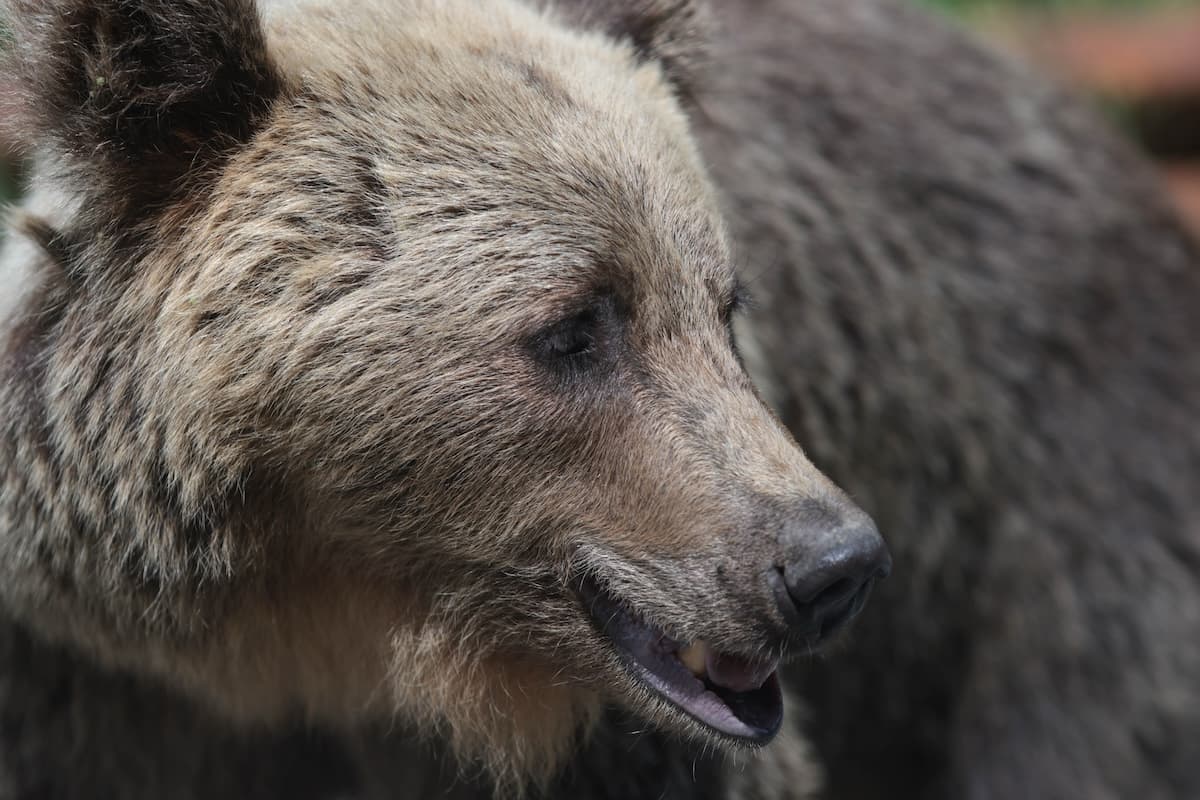
The interim head of the Agriculture Ministry motivated the move with the precedent created by the removal of the wolf from the protected species list in Germany. “We have a precedent: the case of the wolf, which, after it ate a pony or several in Germany, was removed from the list of protected species. In our case, it is not ponies that are in danger, but people. Dozens of people have died. Unfortunately, we have had dozens of tragedies due to bear attacks,” Barna said, cited by Agerpres.

The Romanian official said that after its removal from the list of protected species at the European Commission level, the bear would still be protected, but not in all EU member states. He also claimed that Romania will have the backing of several member states for this proposal, because bears cause damage to farmers. 

“I am requesting that this issue be discussed also in the AGRIFISH Council, because it goes beyond environmental protection and endangered species protection. It is also an agricultural issue. We know that the amount paid in compensation to farmers has increased year by year, the number of attacks is increasing, the number of calls is increasing, and we need to intervene at the level of the European Commission,” Barna concluded.

In June 2023, on his last day as environment minister, Barna greenlit some bear hunting quotas as his last act as minister, planning for 480 bears to be eliminated. In September that year, he championed the reintroduction of hunting based on a quota. 

In 2024, Romania doubled the hunting quota for the brown bear to almost 500 following the deadly attack on a hiker in the Carpathians. In March 2026, the Parliament again doubled the hunting quotas to around 900 bears, at the initiative of Barna’s party, the minority-Hungarian party UDMR. President Nicușor Dan referred the draft law to the Constitutional Court, stopping the adoption of the legislation for a time.

As a large carnivore, the brown bear is protected at the EU level by the Habitats Directive, which requires member states to establish a system of strict protection, prohibiting the deliberate killing, capture, or disturbance of species in the wild. The Directive allows for derogations, but only as a last resort. 

In December 2023, the Commission published an in-depth analysis of the situation of the wolf in the EU. The Commission noted that the conservation of the species was a success, with over 20,000 wolves registered in the EU. Their number, however, led to conflicts with the human population. In July 2025, the Commission allowed additional flexibility to states in managing their local wolf populations, while keeping it as a protected species. The change allowed 16 German federal states to authorize wolf hunting during certain periods (July–October) in regions with dense populations and to remove individuals considered dangerous, which have attacked domestic animals.

Romania is home to a large population of bears. According to preliminary results from an April 2025 study by the Ministry of Environment, the country’s brown bear population is estimated at between 10,419 and 12,770 animals.

Bear sightings are not uncommon in mountain areas in the country, including popular destinations such as the Transfăgărășan road, especially as the animals have become used to tourists giving them food, despite the authorities' repeated calls to avoid any contact with the wild animals and the risk of being fined for doing so. This sometimes resulted in tourists being injured or even killed by the bears they stopped to photograph or feed.

Plus, hungry wild animals leave the forests to search for food in nearby mountain towns, often drawn by waste or orchards - which sometimes leads to human-bear conflicts.

Environmental groups have repeatedly argued that hunting alone is not a sufficient solution to lower the number of bear attacks or sustainably manage the population.

radu@romania-insider.com

(Photo source: Inquam Photos|George Calin and Fernbach Antal|Dreamstime.com)

Normal

Romania Insider Free Newsletters