One-third of Romanians in Spain left the country over the last decade

19 June 2026

Spain, one of the EU countries with the largest Romanian communities, has lost one-third of its Romanian inhabitants in the last decade, according to data from the Spanish Statistical Institute.

Specifically, the Romanian community in Spain has recorded a decrease of approximately 300,000 people over the last decade, from around 900,000 to 600,000. 
One of the main reasons is the reduction of economic differences between Spain and Romania in recent years. In this context, more and more Romanians chose to return to the country, according to Digi24.

The trend is still strong. Data from surveys cited by the Spanish press show that 59% of Romanians who still live in Spain are considering returning to Romania. The percentage is approximately 11% higher than among Romanians in Germany and Italy.

The decrease may also be partly explained by the fact that many children born in Spain or who grew up there are no longer reflected in community statistics, as they chose to obtain Spanish citizenship.

At the same time, some of the Romanians who have left Spain have chosen to move to other European countries, especially the United Kingdom and Germany, in search of higher salaries. 

The situation is different in Italy, where approximately 1.7 million Romanians live, representing the largest community of foreign citizens. There, many Romanians choose to stay long-term, influenced by the stability of the healthcare and pension systems, frequently cited as reasons for not returning to Romania.

Unlike in Spain, which does not permit dual citizenship for Romanians, in Italy, children of Romanians can relatively easily obtain Italian citizenship without giving up Romanian citizenship, due to the recognition of dual citizenship.

Last year, a report from the Spanish Statistical Institute noted that 30% of Romanians (or 217,000 people) in Spain had higher education, even though the report also states that the majority work in agriculture or jobs that do not require high qualifications. 

radu@romania-insider.com

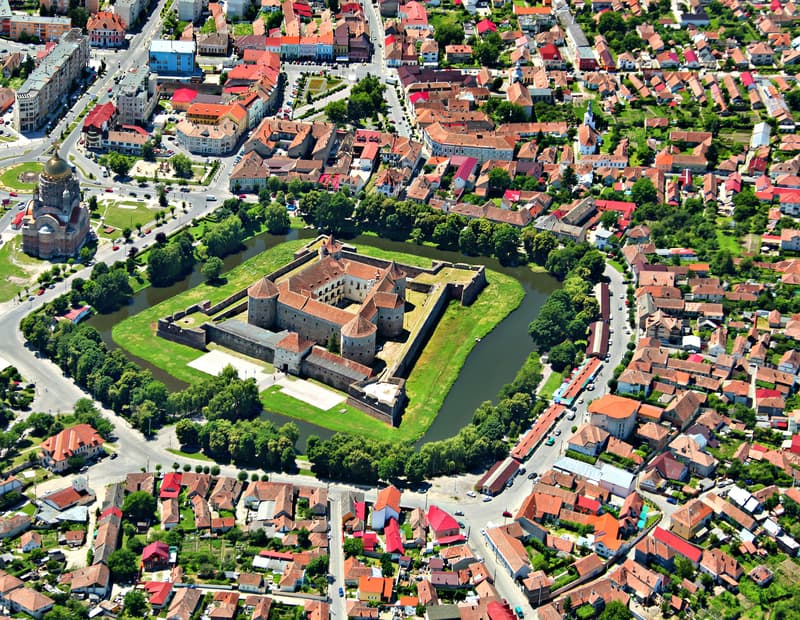
(Photo source: sjankauskas|Dreamstime.com)

Normal

One-third of Romanians in Spain left the country over the last decade

19 June 2026

Spain, one of the EU countries with the largest Romanian communities, has lost one-third of its Romanian inhabitants in the last decade, according to data from the Spanish Statistical Institute.

Specifically, the Romanian community in Spain has recorded a decrease of approximately 300,000 people over the last decade, from around 900,000 to 600,000. 

One of the main reasons is the reduction of economic differences between Spain and Romania in recent years. In this context, more and more Romanians chose to return to the country, according to Digi24.

The trend is still strong. Data from surveys cited by the Spanish press show that 59% of Romanians who still live in Spain are considering returning to Romania. The percentage is approximately 11% higher than among Romanians in Germany and Italy.

The decrease may also be partly explained by the fact that many children born in Spain or who grew up there are no longer reflected in community statistics, as they chose to obtain Spanish citizenship.

At the same time, some of the Romanians who have left Spain have chosen to move to other European countries, especially the United Kingdom and Germany, in search of higher salaries. 

The situation is different in Italy, where approximately 1.7 million Romanians live, representing the largest community of foreign citizens. There, many Romanians choose to stay long-term, influenced by the stability of the healthcare and pension systems, frequently cited as reasons for not returning to Romania.

Unlike in Spain, which does not permit dual citizenship for Romanians, in Italy, children of Romanians can relatively easily obtain Italian citizenship without giving up Romanian citizenship, due to the recognition of dual citizenship.

Last year, a report from the Spanish Statistical Institute noted that 30% of Romanians (or 217,000 people) in Spain had higher education, even though the report also states that the majority work in agriculture or jobs that do not require high qualifications. 

radu@romania-insider.com

(Photo source: sjankauskas|Dreamstime.com)

Normal

Romania Insider Free Newsletters