Romanian authorities launch new appeal to limit electricity consumption amid drought

Romania’s Energy Ministry has restated the government's plea for household consumers, companies and public institutions to reduce electricity consumption between 7 PM and 11 PM until the end of August amid the ongoing energy crisis.
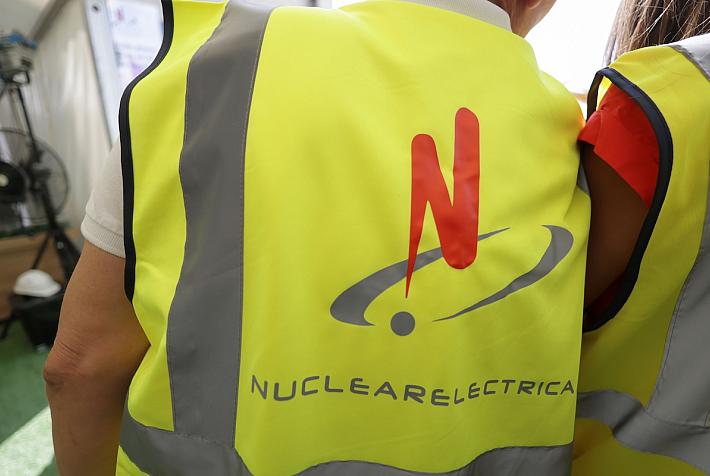
The plea comes as Romania is experiencing an energy crisis generated mainly by the severe drought and the sharp reduction in the flow of the Danube, which has recorded the lowest level in approximately the last 40 years, lowering the energy generation of Nuclearelectrica (BVB: SNN) and Hidroelectrica (BVB: H20). The drought is set to continue, with no short-term improvement, according to the most recent forecasts.
As supply problems persist, demand must be lowered, according to the government. As a result, a nationwide state of alert was established in Romania for 30 days starting on July 31. Since then, several city halls and public institutions have taken measures to reduce electricity consumption, and Romania’s biggest energy consumers, the Ford and Dacia factories, agreed to end production until August 19.
In this context, limiting energy consumption in the evening is meant to protect the energy supply and reduce the risk of restrictive measures being introduced. The ministry gave assurances that all responsible institutions are acting in a coordinated manner to ensure the proper supply of electricity.
To help coordinate voluntary reductions in energy consumption, the ministry published recommendations for all categories of consumers.
Household consumers
Household consumers are encouraged to reduce the simultaneous use of equipment with high electricity consumption between 7 PM and 11 PM and to reschedule these activities between 11 AM and 5 PM, when electricity production from photovoltaic sources is higher. Washing machines, dishwashers, clothes dryers, electric vehicle chargers, and electric boilers are some of the energy-intensive household equipment.
Importantly, the ministry did not ask Romanians to turn off devices necessary for protecting health, maintaining a tolerable temperature in homes, or operating medical equipment.
Large industrial consumers
Large industrial consumers, which use more than 50,000 MWh annually, are encouraged to analyze reducing consumption during evenings, where the specifics of the technological process and safety requirements allow it. The measures may include rescheduling flexible processes, using their own production or storage capacities, and avoiding the start-up of high-power equipment during peak hours. At the same time, companies should send emails to consumatori@energie.gov.ro and office@transelectrica.ro, as well as to the electricity supplier with which they have concluded the supply contract, specifying the measures that can be applied, the period and time of their application, the estimated reduction in consumption, and the name, position, and contact details of the person designated for coordination.
Consumption reduction must not affect the security of installations, employee protection, continuity of critical processes or environmental protection obligations.
Smaller non-household consumers
Smaller non-household energy consumers were also encouraged to limit consumption during evening hours. Measures that may be considered include reducing non-essential lighting, turning off unused equipment, avoiding the charging of electric vehicles during peak hours and rescheduling activities with high consumption.
Public institutions
Public institutions, in turn, were asked to reduce their consumption too. To do so, institutions may consider turning off architectural and decorative lighting; reducing lighting in unused spaces; turning off equipment that is not necessary after working hours; limiting air conditioning in unoccupied spaces; and rescheduling administrative activities with high consumption. These recommendations do not apply to hospitals, emergency services, intervention units, water supply systems, critical infrastructure or other essential public services.
Finally, the Ministry asked prosumers who have batteries to charge their storage systems between 11 AM and 5 PM, especially from their own production, and to use the stored energy between 7 PM and 11 PM. In this way, prosumers can reduce their consumption from the grid exactly during the period when the National Energy System is under the greatest pressure.
(Photo source: bubbersbb|Dreamstime.com)