Romania’s centrist parties fail to break Wage Law deadlock

26 August 2026

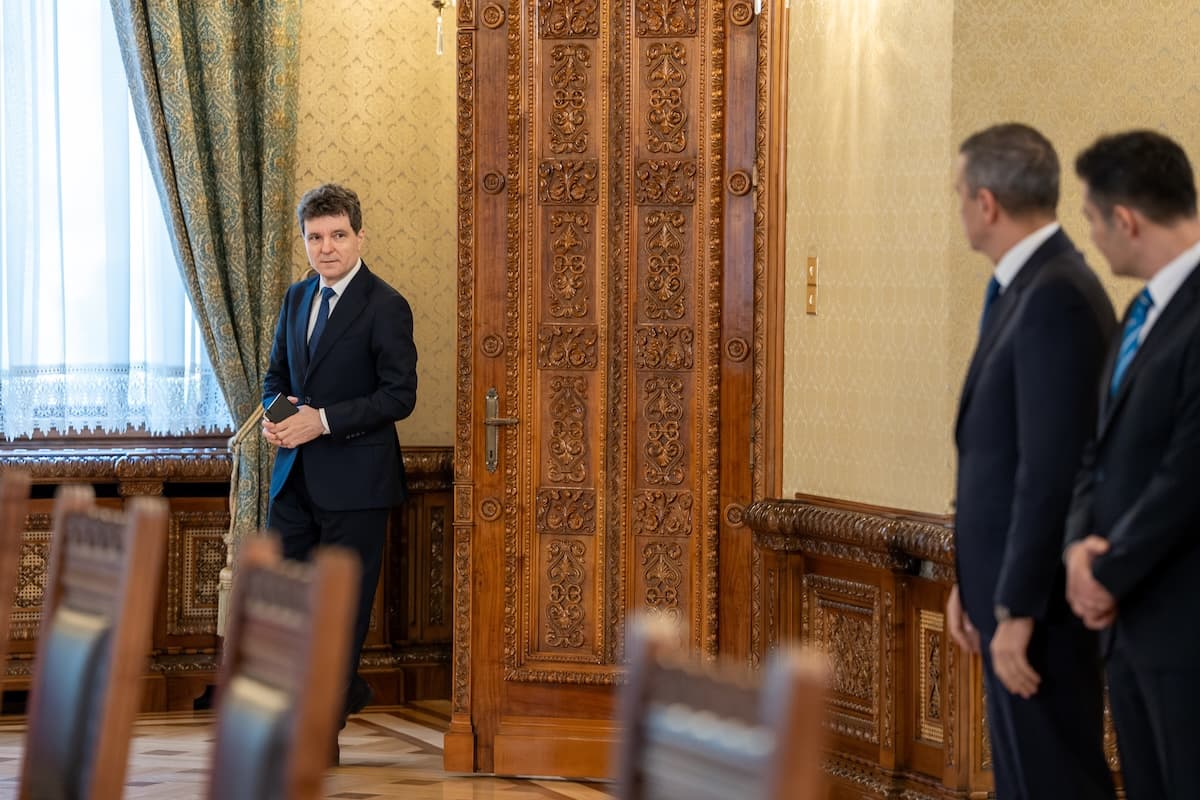
Romania’s centrist parties failed to reach an agreement on the new Wage Law for the budgetary sector after nearly two hours of talks convened by president Nicușor Dan on August 25, leaving the legislation at risk of missing its August 31 deadline under the National Recovery and Resilience Plan (PNRR), Digi24 reported.

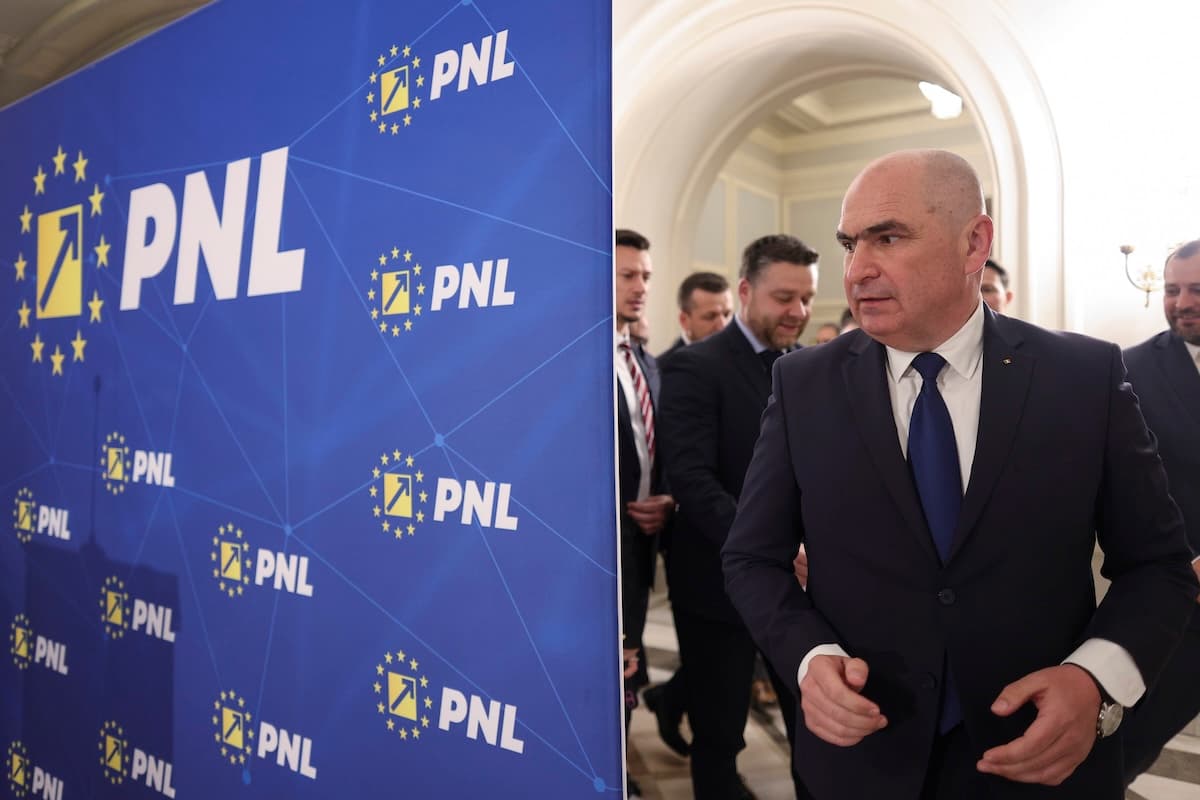
The meeting brought together the leaders of the National Liberal Party (PNL), Social Democratic Party (PSD), Save Romania Union (USR) and Democratic Alliance of Hungarians in Romania (UDMR), but ended without consensus. Political sources cited by local media said the discussions could resume, although the chances of adopting the law within the PNRR deadline are now considered very low.
Romania risks losing about EUR 770 million in Recovery and Resilience Facility (RRF) funding if the milestone is not completed. The Wage Law is intended to establish a new framework for remuneration in the budgetary sector, including more predictable wage coefficients and rules for bonuses.

Interim prime minister Ilie Bolojan said the reform should not be assessed only in terms of the RRF funds at stake, arguing that the absence of a predictable wage system creates broader risks for Romania’s public finances and labour market.

“The wage law is more important than the EUR 770 million we could be disbursed under the RRF. It's a project that's about trust in Romania, because it's a commitment made by Romanian governments for years, which they could have put into practice, but they didn't,” Bolojan told Digi24.

He added that the government had been required to address the issue over the past three months and that a clear wage framework was important for budget planning because personnel expenditure represents a significant component of public spending.

Bolojan also warned that the lack of a stable framework could allow wage policies to become subject to electoral considerations, particularly given the experience of 2023 and 2024.

“Considering what happened in 2023 and 2024, pre-election and election years, when governments got things out of control by playing only according to electoral calculations and not according to budgetary balances, we risk finding ourselves slipping again and all the efforts made during this period being nullified by such a thing,” he said.

The Wage Law is one of the most politically sensitive outstanding PNRR reforms, with trade unions and political parties disputing proposed wage levels, bonus limits and the overall impact on the public payroll.

iulian@romania-insider.com

(Photo source: Presidency.ro)

Normal

Romania’s centrist parties fail to break Wage Law deadlock

26 August 2026

Romania’s centrist parties failed to reach an agreement on the new Wage Law for the budgetary sector after nearly two hours of talks convened by president Nicușor Dan on August 25, leaving the legislation at risk of missing its August 31 deadline under the National Recovery and Resilience Plan (PNRR), Digi24 reported.

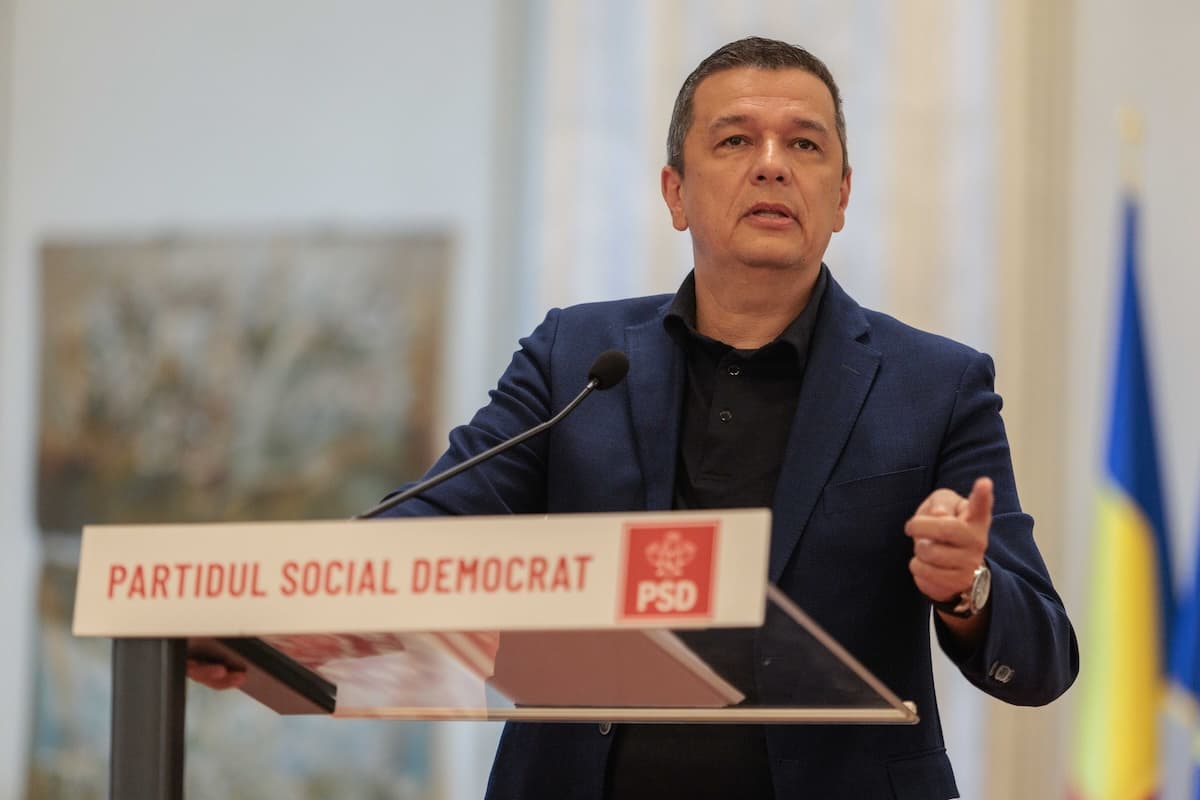
The meeting brought together the leaders of the National Liberal Party (PNL), Social Democratic Party (PSD), Save Romania Union (USR) and Democratic Alliance of Hungarians in Romania (UDMR), but ended without consensus. Political sources cited by local media said the discussions could resume, although the chances of adopting the law within the PNRR deadline are now considered very low.
Romania risks losing about EUR 770 million in Recovery and Resilience Facility (RRF) funding if the milestone is not completed. The Wage Law is intended to establish a new framework for remuneration in the budgetary sector, including more predictable wage coefficients and rules for bonuses.

Interim prime minister Ilie Bolojan said the reform should not be assessed only in terms of the RRF funds at stake, arguing that the absence of a predictable wage system creates broader risks for Romania’s public finances and labour market.

“The wage law is more important than the EUR 770 million we could be disbursed under the RRF. It's a project that's about trust in Romania, because it's a commitment made by Romanian governments for years, which they could have put into practice, but they didn't,” Bolojan told Digi24.

He added that the government had been required to address the issue over the past three months and that a clear wage framework was important for budget planning because personnel expenditure represents a significant component of public spending.

Bolojan also warned that the lack of a stable framework could allow wage policies to become subject to electoral considerations, particularly given the experience of 2023 and 2024.

“Considering what happened in 2023 and 2024, pre-election and election years, when governments got things out of control by playing only according to electoral calculations and not according to budgetary balances, we risk finding ourselves slipping again and all the efforts made during this period being nullified by such a thing,” he said.

The Wage Law is one of the most politically sensitive outstanding PNRR reforms, with trade unions and political parties disputing proposed wage levels, bonus limits and the overall impact on the public payroll.

iulian@romania-insider.com

(Photo source: Presidency.ro)

Normal

Romania Insider Free Newsletters