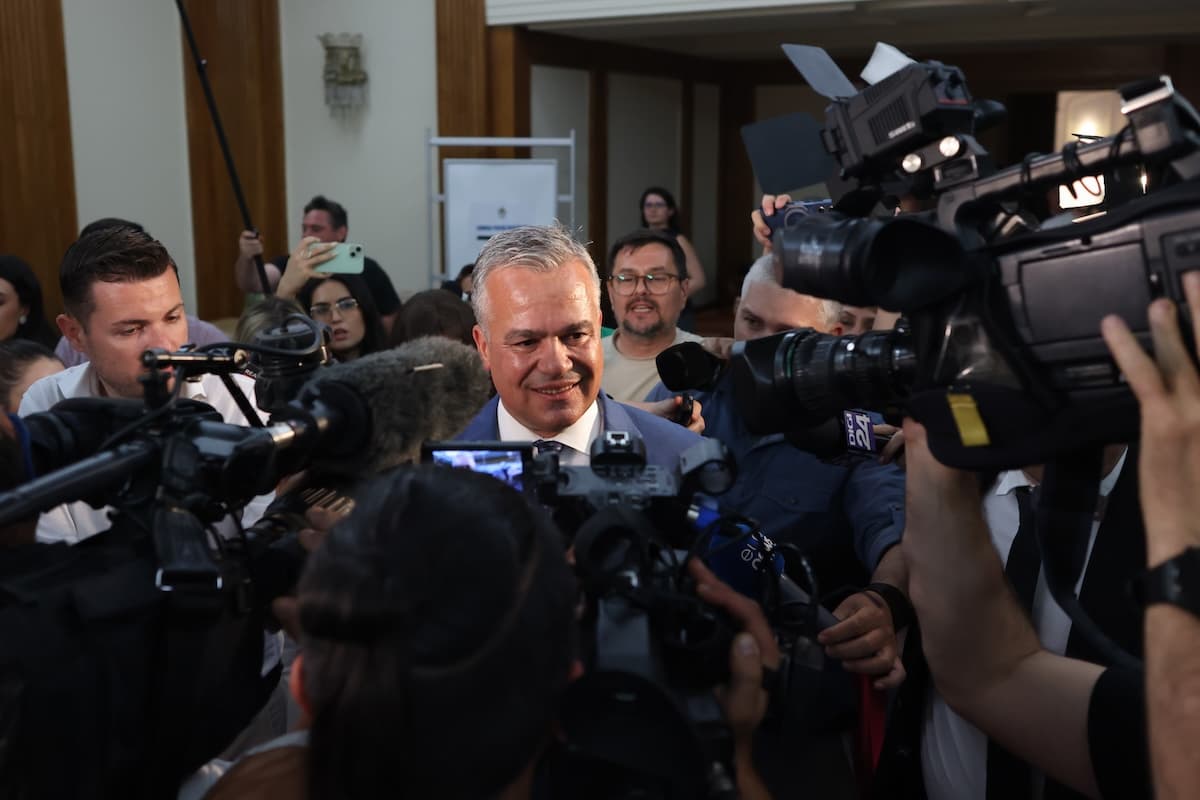
Support for second Romanian PM-designate Adrian Vestea turns increasingly uncertain

17 June 2026

Romania’s prime minister-designate Adrian Vestea (PNL, yet not backed by his party) in the evening of June 17 announced that he would come up with a cabinet formed by representatives of the Social Democratic (PSD) and Liberal (PNL) parties as well as technocrats, will follow the ruling strategy of his predecessor Ilie Bolojan “down to the smallest detail,” and will be backed by “all those who are acting in good faith” – with no restriction for the far-right AUR party, according to News.ro.

Romania has had a caretaker government since interim prime minister Ilie Bolojan was dismissed by a no-confidence motion in Parliament, after the Social Democrats (PSD) pulled out of the ruling coalition to join far-right AUR against prime minister Bolojan.
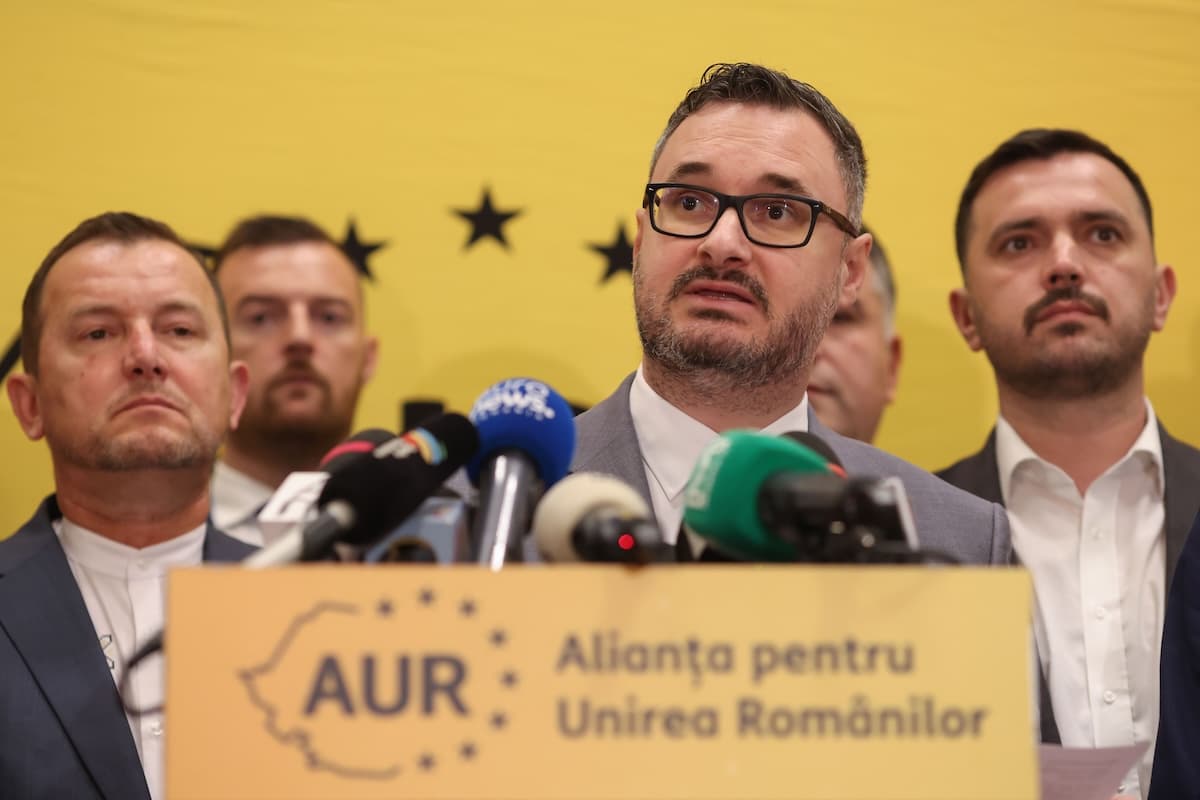
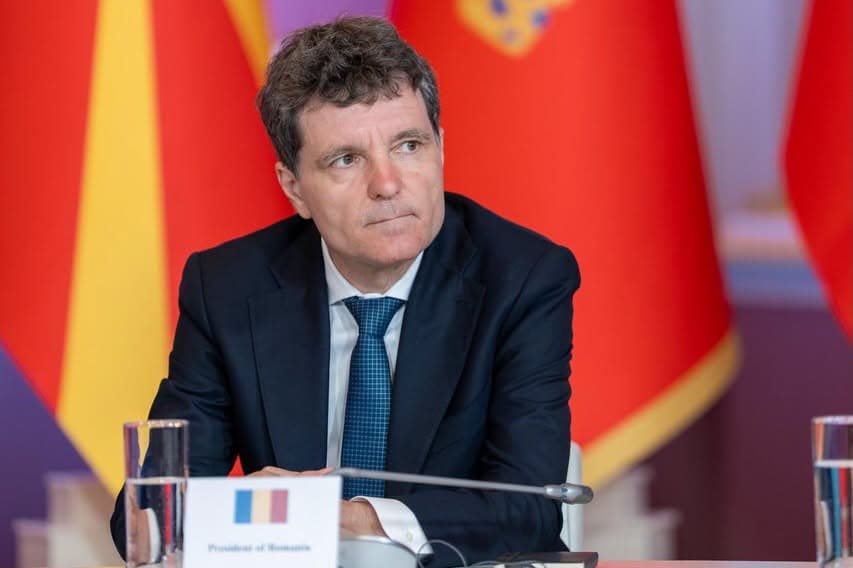
PM-designate Vestea pledged to be a dedicated continuator of the program promoted by Ilie Bolojan by keeping intact the ruling strategy inked last June by the four-party coalition. Vestea, among others, said he would keep in place finance minister Alexandru Nazare (who has not confirmed readiness to be part of Vestea’s team). 

"It is the same government program, and I do not think it is necessary to come up with special measures in the middle of a fiscal year [...]. I will target the same budget deficit [6.2% of GDP]. For this reason, I intend to keep the current Minister of Finance, I discussed with [Finance Minister] Nazare," Vestea said, adding that he was waiting for Nazare’s confirmation. 

However, the small far-right political entities in parliament may be inclined to extend support only for benefits, and Digi24 already mentioned that Anamaria Gavrila (POT) requested the Foreign Minister seat and Ninel Peia (PACE) would opt for the Defence Ministry.

Regarding his team, Vestea said that some of the technocrats recruited by his predecessor, Eugen Tomac, are still on the list. 

"The decision I made is to form a political government, exactly as I said, a government that includes the National Liberal Party, the Social Democratic Party, and representatives from the technocratic, technical area. Some of them may have also been on Eugen Tomac's list," Adrian Vestea said on Romania TV on the evening of June 16. 

With a ruling strategy and a government team both inherited from his predecessors, Adrian Vestea needs only a majority of votes in Parliament, which seems a very difficult task at this moment. 

Alternate strategies are worth exploring at this moment.

Given the past developments, now is about the right time to anticipate what president Nicusor Dan may already be planning to do in case his second candidate for the prime minister seat fails. What was left out of the four-party coalition made him a couple of suggestions: either entrust Social Democrats (Sorin Grindeanu) with forming a majority, as a co-author of the no-confidence motion that pushed the country into political crisis, or encourage a minority cabinet formed by PNL, USR, and UDMR to act on a negotiated mandate until some key national priorities are settled. The three parties will reportedly submit the two plans to president Dan, according to Digi24, in case consultations resume after Adrian Vestea fails to get lawmakers’ nomination vote.

How Vestea ended as PM-designate and what support he can count on.

Vestea is the second candidate for the prime minister position, appointed in a surprise move by president Nicusor Dan early last Sunday (June 14), after his predecessor Eugen Tomac failed to negotiate a parliamentary majority. The appointment looked risky since reformist USR refused to support Vestea several hours after the nomination, but turned increasingly problematic after the Liberal Party (PNL) categorically rejected what the party leader said was “a hostile action of president Nicusor Dan” and, on the morning of June 16, the ethnic Hungarian party UDMR recommended its MPs not to vote for Vestea. 

After his Liberal Party (PNL) urged him to abandon the prime ministership bid on the night before (Vestea turned down the invitation firmly) and the ethnic Hungarian party UDMR refused to support him (for the obscure parliamentary support he seems to count on), the odds for a successful nomination vote for a would-be government formed by the new candidate plunged from just over 50% to a much smaller fraction.  

The parties that already announced no support for PM-designate Adrian Vestea, namely AUR, PNL, USR, and UDMR, control 256 MPs in Parliament – but this includes a number of PNL MPs who opted to support the PM-designate. Former PNL president Ludovic Orban estimated this number at under 14 (of a total of 76 Liberal MPs), while other sources cited by Stiripesurse.ro indicated figures as high as 31 before PNL’s official decision on Vestea. The PM-designate claimed there are more who would support him. SOS Romania also opted against the PM-designate, although Vestea probably does not count on the votes of this far-right party.

In turn, the parties backing Vestea – PSD essentially, plus small entities, ethnic minorities, and independent MPs – hold only 193 seats in Parliament. Vestea thus needs 40 Liberal MPs, plus some more to offset those under loose control (ethnic minorities, possibly small far-right parties).

Invoking the president's support, Vestea and PSD broadened their potential support base to include far-right MPs – “provided they are patriots”.

Neither Vestea nor his supporters – the Social Democrats and a dissident faction of the Liberal Party – gave up, and they boosted their efforts to recruit supporters among the MPs of virtually any party, starting with the representatives of the ethnic minorities, the Young People Party (POT), and volatile political vehicles formed by MPs originating mainly from other far-right parties.

After a day of negotiations, PM-designate Vestea confirmed that he consulted with president Nicusor Dan, who backs his efforts. 

"He did not give me the impression that he would not support me all the way. On the contrary, he advised me to remain involved, because, through the appeal we make to all those who are in Parliament today and want to show responsibility and overcome certain arrogance or rules imposed by party leaders, I expect them to vote for this government," Adrian Vestea said, cited by Digi24.

Regarding discussions with the representatives of the far-right AUR, and asked whether he received a recommendation from president Nicusor Dan in this regard, Vestea replied: "I don't know the parliamentary area, and I haven't had the opportunity to talk to representatives of other parties."

"I am waiting for all those who are acting in good faith. I do not mind the fact that there will be AUR parliamentarians who show patriotism and understand that this is an important moment when we must leave pride aside and stop treating things as they have been treated until now, by discriminating, isolating ourselves, and positioning ourselves in one way or another,” Adrian Vestea said.

iulian@romania-insider.com

(Photo source: Inquam Photos/George Călin)

Normal

Support for second Romanian PM-designate Adrian Vestea turns increasingly uncertain

17 June 2026

Romania’s prime minister-designate Adrian Vestea (PNL, yet not backed by his party) in the evening of June 17 announced that he would come up with a cabinet formed by representatives of the Social Democratic (PSD) and Liberal (PNL) parties as well as technocrats, will follow the ruling strategy of his predecessor Ilie Bolojan “down to the smallest detail,” and will be backed by “all those who are acting in good faith” – with no restriction for the far-right AUR party, according to News.ro.

Romania has had a caretaker government since interim prime minister Ilie Bolojan was dismissed by a no-confidence motion in Parliament, after the Social Democrats (PSD) pulled out of the ruling coalition to join far-right AUR against prime minister Bolojan.
PM-designate Vestea pledged to be a dedicated continuator of the program promoted by Ilie Bolojan by keeping intact the ruling strategy inked last June by the four-party coalition. Vestea, among others, said he would keep in place finance minister Alexandru Nazare (who has not confirmed readiness to be part of Vestea’s team). 

"It is the same government program, and I do not think it is necessary to come up with special measures in the middle of a fiscal year [...]. I will target the same budget deficit [6.2% of GDP]. For this reason, I intend to keep the current Minister of Finance, I discussed with [Finance Minister] Nazare," Vestea said, adding that he was waiting for Nazare’s confirmation. 

However, the small far-right political entities in parliament may be inclined to extend support only for benefits, and Digi24 already mentioned that Anamaria Gavrila (POT) requested the Foreign Minister seat and Ninel Peia (PACE) would opt for the Defence Ministry.

Regarding his team, Vestea said that some of the technocrats recruited by his predecessor, Eugen Tomac, are still on the list. 

"The decision I made is to form a political government, exactly as I said, a government that includes the National Liberal Party, the Social Democratic Party, and representatives from the technocratic, technical area. Some of them may have also been on Eugen Tomac's list," Adrian Vestea said on Romania TV on the evening of June 16. 

With a ruling strategy and a government team both inherited from his predecessors, Adrian Vestea needs only a majority of votes in Parliament, which seems a very difficult task at this moment. 

Alternate strategies are worth exploring at this moment.

Given the past developments, now is about the right time to anticipate what president Nicusor Dan may already be planning to do in case his second candidate for the prime minister seat fails. What was left out of the four-party coalition made him a couple of suggestions: either entrust Social Democrats (Sorin Grindeanu) with forming a majority, as a co-author of the no-confidence motion that pushed the country into political crisis, or encourage a minority cabinet formed by PNL, USR, and UDMR to act on a negotiated mandate until some key national priorities are settled. The three parties will reportedly submit the two plans to president Dan, according to Digi24, in case consultations resume after Adrian Vestea fails to get lawmakers’ nomination vote.

How Vestea ended as PM-designate and what support he can count on.

Vestea is the second candidate for the prime minister position, appointed in a surprise move by president Nicusor Dan early last Sunday (June 14), after his predecessor Eugen Tomac failed to negotiate a parliamentary majority. The appointment looked risky since reformist USR refused to support Vestea several hours after the nomination, but turned increasingly problematic after the Liberal Party (PNL) categorically rejected what the party leader said was “a hostile action of president Nicusor Dan” and, on the morning of June 16, the ethnic Hungarian party UDMR recommended its MPs not to vote for Vestea. 

After his Liberal Party (PNL) urged him to abandon the prime ministership bid on the night before (Vestea turned down the invitation firmly) and the ethnic Hungarian party UDMR refused to support him (for the obscure parliamentary support he seems to count on), the odds for a successful nomination vote for a would-be government formed by the new candidate plunged from just over 50% to a much smaller fraction.  

The parties that already announced no support for PM-designate Adrian Vestea, namely AUR, PNL, USR, and UDMR, control 256 MPs in Parliament – but this includes a number of PNL MPs who opted to support the PM-designate. Former PNL president Ludovic Orban estimated this number at under 14 (of a total of 76 Liberal MPs), while other sources cited by Stiripesurse.ro indicated figures as high as 31 before PNL’s official decision on Vestea. The PM-designate claimed there are more who would support him. SOS Romania also opted against the PM-designate, although Vestea probably does not count on the votes of this far-right party.

In turn, the parties backing Vestea – PSD essentially, plus small entities, ethnic minorities, and independent MPs – hold only 193 seats in Parliament. Vestea thus needs 40 Liberal MPs, plus some more to offset those under loose control (ethnic minorities, possibly small far-right parties).

Invoking the president's support, Vestea and PSD broadened their potential support base to include far-right MPs – “provided they are patriots”.

Neither Vestea nor his supporters – the Social Democrats and a dissident faction of the Liberal Party – gave up, and they boosted their efforts to recruit supporters among the MPs of virtually any party, starting with the representatives of the ethnic minorities, the Young People Party (POT), and volatile political vehicles formed by MPs originating mainly from other far-right parties.

After a day of negotiations, PM-designate Vestea confirmed that he consulted with president Nicusor Dan, who backs his efforts. 

"He did not give me the impression that he would not support me all the way. On the contrary, he advised me to remain involved, because, through the appeal we make to all those who are in Parliament today and want to show responsibility and overcome certain arrogance or rules imposed by party leaders, I expect them to vote for this government," Adrian Vestea said, cited by Digi24.

Regarding discussions with the representatives of the far-right AUR, and asked whether he received a recommendation from president Nicusor Dan in this regard, Vestea replied: "I don't know the parliamentary area, and I haven't had the opportunity to talk to representatives of other parties."

"I am waiting for all those who are acting in good faith. I do not mind the fact that there will be AUR parliamentarians who show patriotism and understand that this is an important moment when we must leave pride aside and stop treating things as they have been treated until now, by discriminating, isolating ourselves, and positioning ourselves in one way or another,” Adrian Vestea said.

iulian@romania-insider.com

(Photo source: Inquam Photos/George Călin)

Normal

Romania Insider Free Newsletters