US State Department report on investment climate in Romania highlights government corruption
American investors often signal government corruption and corruption in the business environment in Romania, most frequently mentioning the customs service, municipal officials, and local financial authorities, according to a report…
Radu Dumitrescu · Journalist
· Updated · 2 min read
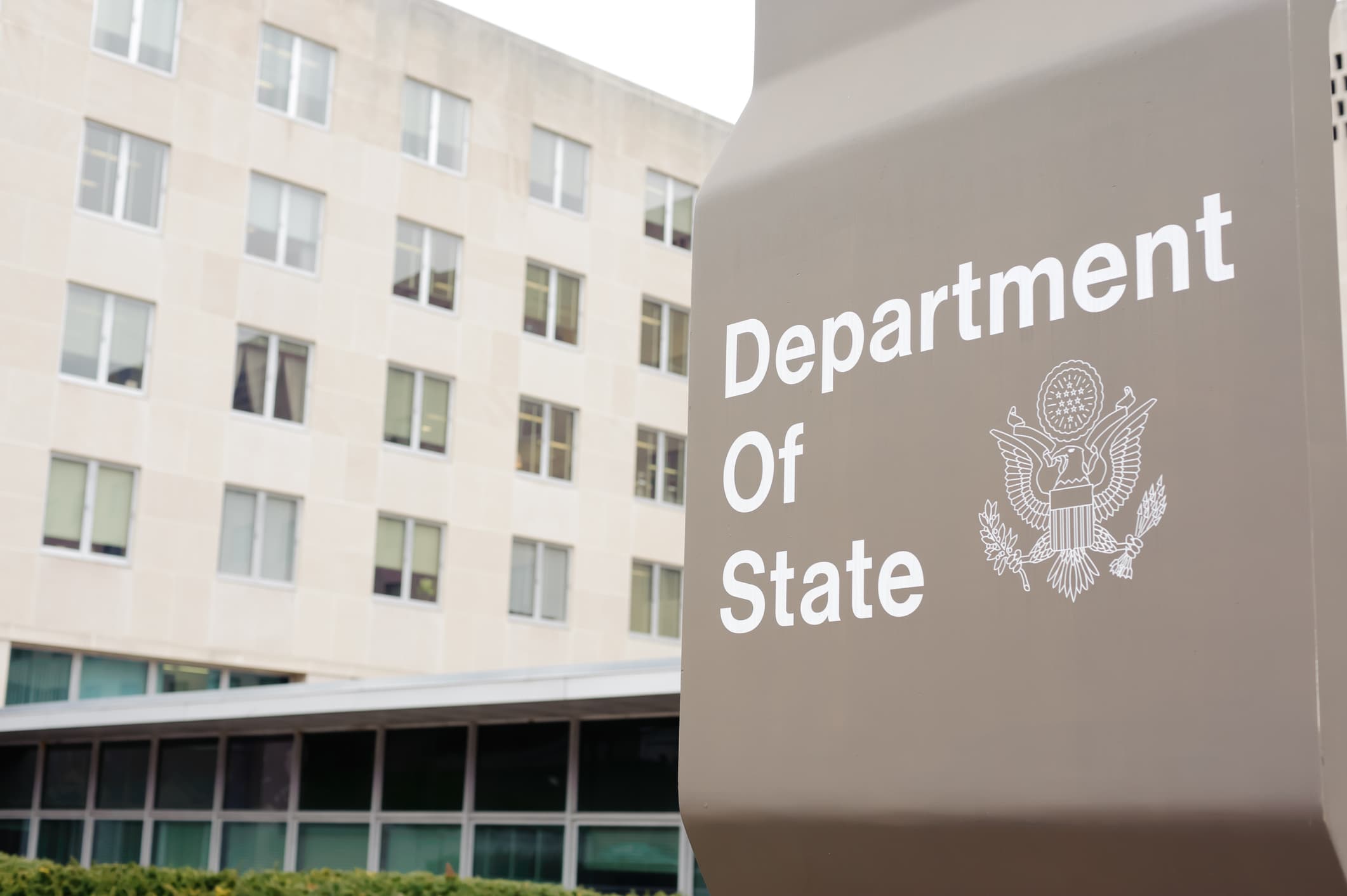
American investors often signal government corruption and corruption in the business environment in Romania, most frequently mentioning the customs service, municipal officials, and local financial authorities, according to a report published in September by the US State Department on the investment climate in Romania.
The report warns that although Romania has made important steps in combating corruption, it continues to be “a major challenge.” It criticizes legislative changes that weakened the anti-corruption fight, the closing of nearly 10,000 criminal cases due to statutes of limitations, and the overwhelming perception in the business environment that the phenomenon is widespread.
The report also says that deterrence measures are advancing too slowly and shows that previous changes to justice laws, as well as pressure on the DNA, have affected the efficiency of the anti-corruption fight.
A serious problem is the legal blockage generated by the statute of limitations on criminal liability: between 2022 and 2025, 9,635 criminal cases were closed.
In addition, Romania continues to lose cases at the ECHR because of excessively long trials. This points to deep flaws within Romania’s judiciary system, according to US officials.
“The judiciary remains largely paper-based and inefficient, although digitalization has progressed somewhat during the pandemic. In 2024, Romania lost 62 cases at the European Court of Human Rights due to excessive trial lengths,” the US State Department notes.
Moreover, despite the existence of institutions such as ANI, ANAP, or ANABI, the report shows that Romania has still not managed to build a functional regime for confiscating assets obtained through corruption and that the reduction of corporate governance standards at state-owned companies has deepened vulnerabilities.
The same report highlights government failures to attract EU funds smoothly and to list minority stakes of state-owned businesses on the stock exchange.
“Romania’s medium-term growth will be driven by its ability to absorb high inflows of EU funds. Romania is eligible to receive up to EUR 77 billion (approx. USD 87.92 billion) in EU funding by 2030, including EUR 28.5 billion (approx. USD 32.5 billion) in grants and loans from 'Next Generation EU' funding via the National Recovery and Resilience Plan (PNRR) for the period 2021-2027. However, bureaucratic constraints on administrative capacity to apply for EU funds, as well as absorb and implement EU-funded projects, may dampen the NRRP’s impact,” the report states.