Travel Planner: Campulung Muscel, the first capital of Romania's historic region Wallachia
This week we're traveling to Campulung Muscel, the first capital of Romanian historic region Wallachia, that was first mentioned in our previous piece on Curtea de Arges church.
Mariana Ganea · Journalist
· Updated · 4 min read
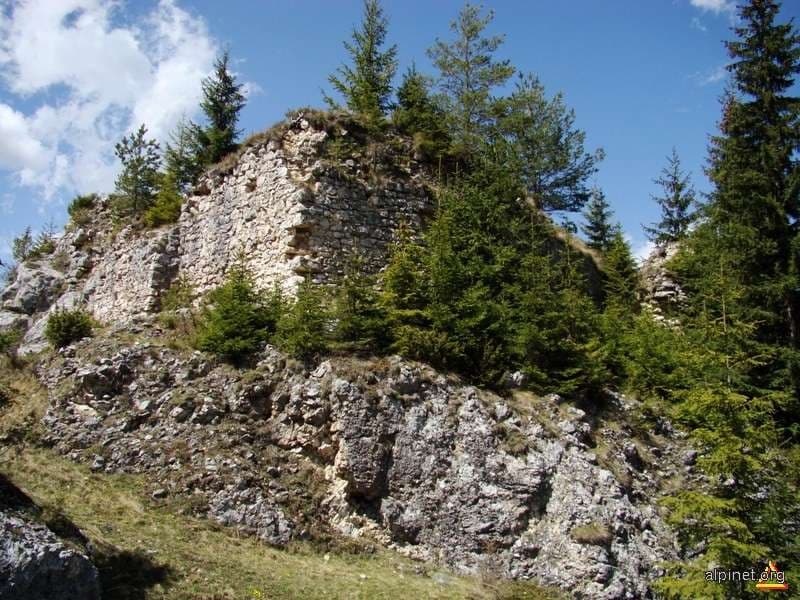
This week we're traveling to Campulung Muscel, the first capital of Romanian historic region Wallachia, that was first mentioned in our previous piece on Curtea de Arges church.
It is important not confuse the name of this city, whose entire name is Campulung Muscel but which is called Campulung for short, with the other Romanian city of Campulung Moldovenesc, which is located in the North East of Romania, in Moldavia- Bucovina. Campulung (which would literally be translated as the long field) lies 168 kilometers from Bucharest, 52 kilometers from the city of Pitesti (the capital of the Arges County), 47 kilometers from Curtea de Arges and 84 kilometers from the city of Brasov. The city has a long and rich history. According to archaeologists, the first human traces in the area date back to the Bronze Age (1700 – 1600 BC). Proofs of Geto- Dacians having inhabited the area in the 2nd century BC have also been discovered. The first documented reference is from 1212 when the Hungarian King sent a letter to the Teutonic Knights asking them to stop the Cumans advancing in Tara Barsei (Barsa Country – Brasov County in present). One documentary source from 1292 mentioned Campulung as being the oldest city in Wallachia. From the beginning of the 13th century, an important community of Transylvanian Saxons settled in Campulung, who contributed to the development of the urban culture, handicrafts and trade. The community was led by a so called “grave (comes)” the last of them being Laurencius de Longo Campo. His epitaph dated 1300 is appreciated as the oldest middle age epigraphical document from Wallachia. In 1330 the King Basarab I set the capital of Wallachia at Campulung and gave it city status. There is a historic document containing 38 records written between 1559 – 1774, which cast a a little more light on Romania's history. According to these historical sources, there were several important moments for the city: In 1330 after the Posada battle when the Hungarian King Carol Robert de Anjou was defeated by the Wallachian Prince Basabarb I (1310 -1352), the city of Campulung was set as capital of the country. In 1368 King Vladislav I Vlaicu (1364-1377) set at Campulung a toll for crossing between Wallachia and Transylvania and required the merchants from Brasov region to pay customs duty when they passed through the Bran pass, which is located only 15 kilometers from Campulung. In 1369 the king Vladislav I Vlaicu moved the capital to Curtea de Arges. In 1521 an aristocrat named Neacsu wrote a letter addressed to Hans Bruckner, the mayor of Brasov, informing him about movements of Ottoman troupes in the Danube area, this document being the first letter written in Romanian language. In 1552, Campulung was home to the first school in Wallachia, set up by Chiajna, the king Mircea Ciobanu’s wife. Afterwards, the king Antonie (1669-1672) built the first public school in Romania here. In 1544, Sebastian Munster's
Free newsletters
Romania, in your inbox before your first coffee.
Get the Daily — the morning briefing, free, in English, unsubscribe anytime. Want business, real estate or travel digests too? Pick your newsletters →