Romania moves to protect landmark centuries-old trees through public national registry
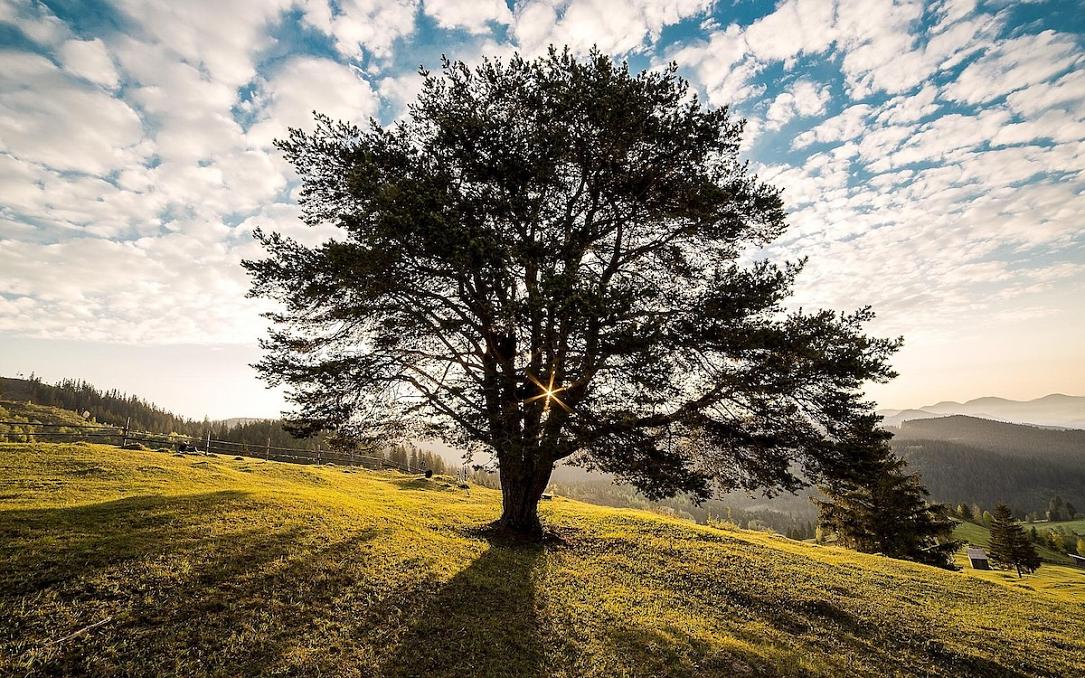
The Ministry of Environment announced that it published draft rules aimed at protecting Romania’s remarkable, centuries-old trees through the creation of a public national catalog. The proposed legislation would establish a framework for identifying, monitoring, and protecting trees considered exceptional because of their age, size, rarity, ecological importance, or historical and cultural significance.
Interim environment minister Diana Buzoianu said the initiative is meant to protect what she described as the country’s “living memory.”
“Three years ago, as a member of Parliament, I co-initiated, together with civil society, the law on remarkable trees. Since then and until today, it has not been applied because there were no implementing rules. We are going to change that. We have published for public consultation the draft joint order of the Ministry of Environment, the Ministry of Agriculture, and the Ministry of Development. After the consultation period, the order will be able to be adopted,” she said.
“We are talking about centuries-old trees that have become symbols of local communities, cultural landmarks, and refuges for biodiversity. We are therefore building a clear and transparent mechanism through which these trees can be identified, monitored, and genuinely protected, together with local authorities, specialists, and citizens.”
Under the proposal, any individual or legal entity would be able to request the registration of a remarkable tree by submitting photographs and geographic coordinates to local forestry authorities or municipalities.
Information about protected trees would be included in a public digital national catalog managed by the National Agency for Environment and Protected Areas. The database would include details such as species, estimated age, dimensions, location, health condition, and cultural or historical significance.
The draft legislation also introduces strict conditions for cutting down registered trees. Removal would only be allowed in exceptional situations, including complete drying, natural collapse, or when a tree poses a real danger to people or property, following a technical assessment and approval from the relevant forestry authorities.
Private landowners hosting registered remarkable trees would also be eligible for state compensation for the inability to commercially exploit the timber, provided the trees are preserved and protected.
irina.marica@romania-insider.com
(Photo source: Facebook/Ministerul Mediului)