Report: Romania among five EU countries that "deliberately undermine the rule of law”
Romania is one of five countries - alongside Bulgaria, Croatia, Italy, and Slovakia - where the executive has "deliberately undermined the rule of law in almost every aspect," according to a report by the Civil Liberties Union for Europe,…
Radu Dumitrescu · Journalist
· Updated · 3 min read

Romania is one of five countries - alongside Bulgaria, Croatia, Italy, and Slovakia - where the executive has "deliberately undermined the rule of law in almost every aspect," according to a report by the Civil Liberties Union for Europe, or Liberties.
Liberties launched its annual exercise in 2019 to track the European Commission’s rule-of-law reports, which are meant to serve as a health check on democracy in EU member states. This year, Italy, Bulgaria, Croatia, Romania and Slovakia were grouped together given their deliberate and systemic efforts to weaken the rule of law in all areas, according to the authors of the report. This included widespread smear campaigns and multiple laws, policies and funding restrictions that seriously undermine the rule of law.
"All fundamental aspects of the rule of law have faced increasingly severe problems in recent years," said Viktor Kazai, senior rule-of-law expert at Liberties.
Meanwhile, EU attempts to reverse the decline have been limited. "The most concerning category of countries were the 'dismantlers,'" Kazai said, indicating countries where governments have taken measures to undermine the rule of law.
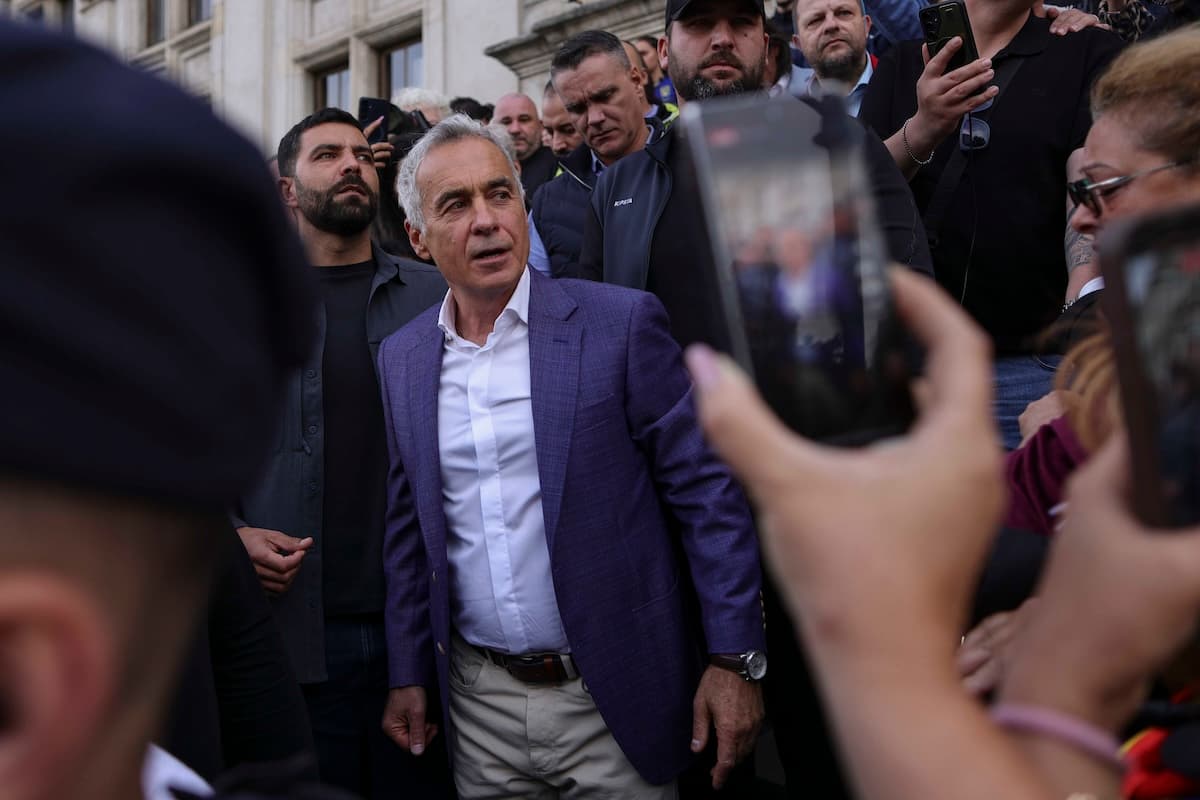
In Romania, recent presidential elections revealed how TikTok could enable a little-known ultranationalist to achieve victory, while a bill to secure the independence of public television and radio has remained stuck in parliament since 2021. The Constitutional Court canceled last year's presidential elections amid declassified reports alleging Russian involvement in cyber activities aimed at undermining the integrity of the electoral process. The documents made public on December 4 suggest that pro-Russian, EU-skeptic first-round winner Călin Georgescu received undeclared external financing and involved state actors in his campaign, which was mainly carried out online on the TikTok platform.
In Italy, Giorgia Meloni’s government has drafted proposals to grant the justice ministry "broad powers" over prosecutors, which would increase political control over the judiciary.
In Bulgaria, the report examined how anti-corruption investigations were launched against prominent political opponents of the government.
In Slovakia, red flags were raised over numerous changes introduced by nationalist-populist Prime Minister Robert Fico’s government, including the dismantling of the central prosecutor’s office.
In Croatia, the integrity of the judicial system was deemed compromised after Ivan Turudić, a judge with close ties to the ruling Croatian Democratic Union (HDZ), was appointed as the country’s attorney general.
Free newsletters
Romania, in your inbox before your first coffee.
Get the Daily — the morning briefing, free, in English, unsubscribe anytime. Want business, real estate or travel digests too? Pick your newsletters →