Romanian nuclear energy producer Nuclearelectrica launches feasibility study tender to double production of fuel
Nuclearelectrica (BVB: SNN), Romania’s only nuclear energy producer, launched a tender worth RON 3.1 million for a feasibility study to double the production capacity of CANDU-6 type nuclear fuel bundles.
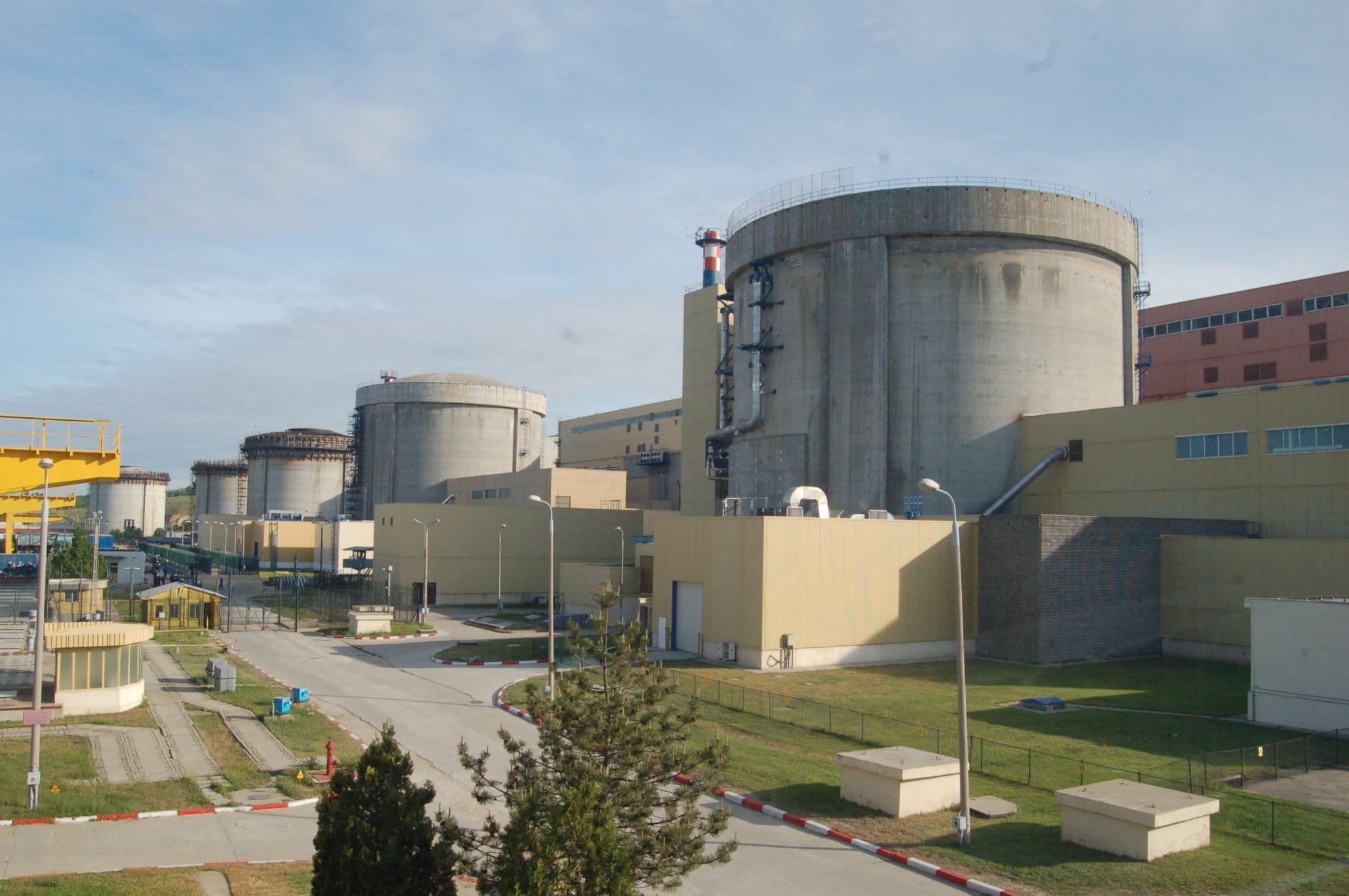
The project regards the nuclear fuel plant in Mioveni, in southern Romania. Until now, another plant in Pitești served as the only producer of the fuel necessary for the operation of Units 1 and 2 at the company’s nuclear plant in Cernavodă. The Pitești plant is also the only globally authorized producer, outside Canada, for the production of fuel bundles related to CANDU 6 technology, according to Economedia.
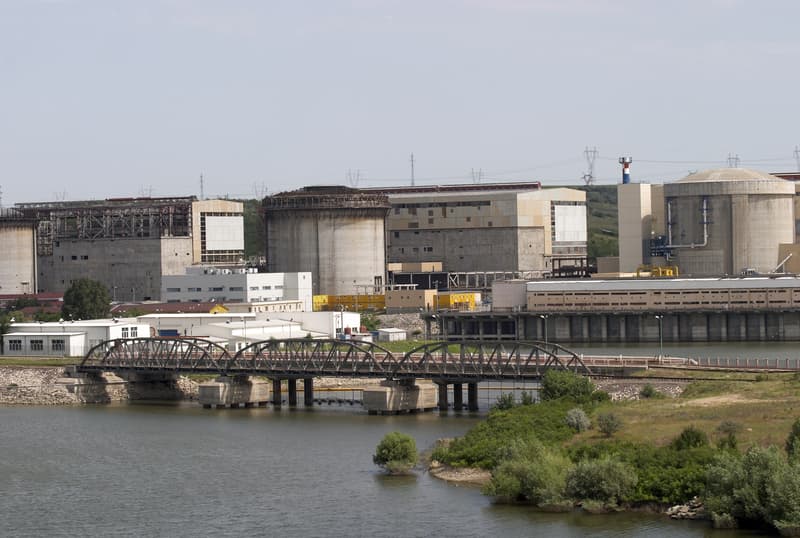
However, as Romania is set to complete the Units 3 and 4 projects in 2031 and 2032, respectively, effectively doubling its nuclear energy production capability, it also needs more nuclear fuel. The new reactors will add another 1,400 MW of installed capacity in reactors, compared to the current 1,400, with an investment of EUR 9 billion.
Each CANDU reactor consumes approximately 5,000 fuel bundles annually. To supply four reactors simultaneously, Romania must double production to avoid dependence on imports, especially since such a sensitive import is becoming increasingly difficult in the current international context.
According to the tender, the plant in Mioveni will add the necessary additional nuclear fuel. The fuel bundle produced at the plant is a cylindrical structure of approximately 50 cm in length, made up of a bundle of zircaloy tubes. Inside these tubes are pellets of natural uranium dioxide. A single bundle, although it weighs little, generates an enormous amount of energy through nuclear fission.
The execution of the study is expected to take approximately 12 months, followed by the actual design and construction of the new production lines.
The project for completing reactors 3 and 4, both with CANDU technology, is the most important investment in Romania's nuclear energy. Recently, Nuclearelectrica signed framework agreements with international consortia (USA, Canada, Italy, France) for the execution of the works.
Unit 1, put into operation in 1996, is also approaching the end of its 30-year life cycle. Nuclearelectrica will refurbish it, a complex operation that will allow the reactor to operate until 2056. The reactor will be shut down in 2027 for a period of approximately 2.5–3 years.
(Photo source: Nuclearelectrica)