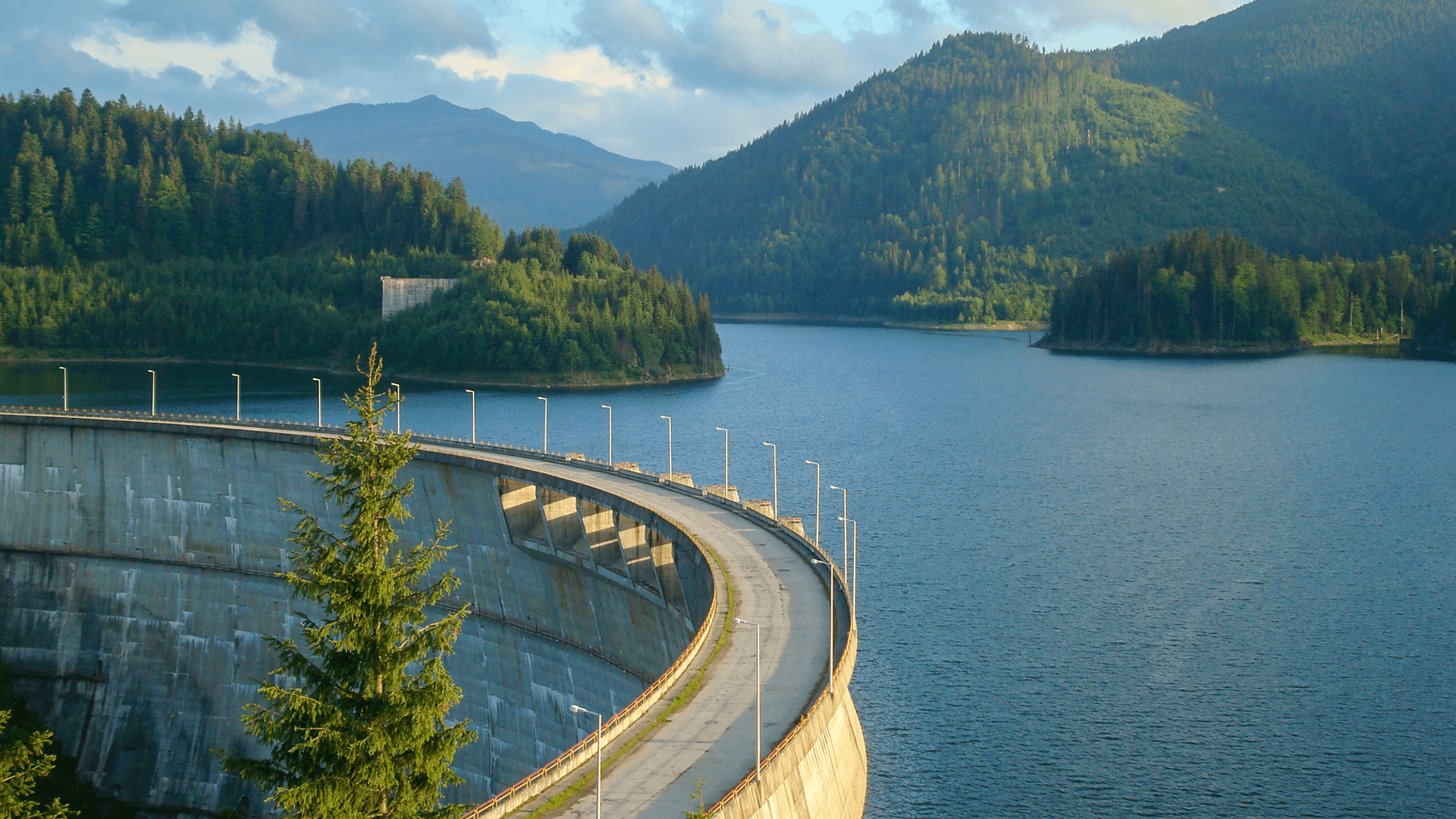
Water level in Romanian dams at lowest level since 2018

30 July 2026

Water levels in Romania’s reservoirs have fallen to around 71%, the lowest level recorded for this period since 2018, according to data published by electricity transmission system operator Transelectrica and cited by Ziarul Financiar.

The prolonged drought is also putting pressure on the country’s energy sector, with low water availability affecting both hydropower generation and the operation of the Cernavoda nuclear power plant.


The Danube’s flow rate fell to 1,650 cubic metres per second on July 28 and is expected to decline to around 1,600 cubic metres per second at the beginning of August, according to the National Institute of Hydrology and Water Management (INHGA), cited by water management authority Apele Române.

The forecast flow is around three times below the multiannual July average of 4,750 cubic metres per second. Apele Române said the situation was comparable to 2005, when the Danube also reached a flow rate of 1,650 cubic metres per second.

The flow is expected to fall further to around 1,500 cubic metres per second at the entrance to Romania on August 4. The lowest flow recorded at that point was 1,400 cubic metres per second in 1985.

Apele Române (Romanian Waters) national company that manages the country’s rivers said on July 28 that Romania was facing severe drought conditions throughout the Danube basin, with no immediate improvement expected. Even precipitation of 40-50 litres per square metre in Austria by August 4 would not have a significant impact on Danube flows in the Romanian sector, it said.

The drought could also weigh on the performance of Hidroelectrica, Romania’s largest electricity producer. The company reported first-quarter revenue of RON 3.1 billion, up 67% y/y, while electricity production increased by 35% to 3.7 TWh.

The most immediate impact on the energy system has been at Cernavoda, where Nuclearelectrica has been forced to shut down Unit 1 because of the low Danube flow. Unit 2 is also due to be shut down on July 30, leaving Romania’s sole nuclear power plant offline and removing around 20% of the country’s nuclear generation capacity amid the severe drought.

iulian@romania-insider.com

(Photo source: Hidroelectrica)

Normal

Water level in Romanian dams at lowest level since 2018

30 July 2026

Water levels in Romania’s reservoirs have fallen to around 71%, the lowest level recorded for this period since 2018, according to data published by electricity transmission system operator Transelectrica and cited by Ziarul Financiar.

The prolonged drought is also putting pressure on the country’s energy sector, with low water availability affecting both hydropower generation and the operation of the Cernavoda nuclear power plant.

The Danube’s flow rate fell to 1,650 cubic metres per second on July 28 and is expected to decline to around 1,600 cubic metres per second at the beginning of August, according to the National Institute of Hydrology and Water Management (INHGA), cited by water management authority Apele Române.

The forecast flow is around three times below the multiannual July average of 4,750 cubic metres per second. Apele Române said the situation was comparable to 2005, when the Danube also reached a flow rate of 1,650 cubic metres per second.

The flow is expected to fall further to around 1,500 cubic metres per second at the entrance to Romania on August 4. The lowest flow recorded at that point was 1,400 cubic metres per second in 1985.

Apele Române (Romanian Waters) national company that manages the country’s rivers said on July 28 that Romania was facing severe drought conditions throughout the Danube basin, with no immediate improvement expected. Even precipitation of 40-50 litres per square metre in Austria by August 4 would not have a significant impact on Danube flows in the Romanian sector, it said.

The drought could also weigh on the performance of Hidroelectrica, Romania’s largest electricity producer. The company reported first-quarter revenue of RON 3.1 billion, up 67% y/y, while electricity production increased by 35% to 3.7 TWh.

The most immediate impact on the energy system has been at Cernavoda, where Nuclearelectrica has been forced to shut down Unit 1 because of the low Danube flow. Unit 2 is also due to be shut down on July 30, leaving Romania’s sole nuclear power plant offline and removing around 20% of the country’s nuclear generation capacity amid the severe drought.

iulian@romania-insider.com

(Photo source: Hidroelectrica)

Normal

Romania Insider Free Newsletters