Romanian PM says no fuel supply problems expected as energy system remains under pressure

Romanian authorities do not currently expect problems with fuel supplies for households, agriculture, or transport companies, interim prime minister Ilie Bolojan said on Tuesday, August 4. His comments came after three government meetings on the country's energy situation, fuel supplies, and measures to maintain the stability of the national power system.
Ilie Bolojan, who is also the acting minister of energy, said the situation had improved, with the OMV refinery processing at full capacity and Petromidia operating at around 85% of capacity. The latter is expected to return to normal operations by the end of the week.
“At this moment, we do not anticipate problems regarding fuel supplies for the population, agriculture and transport operators," Bolojan said.
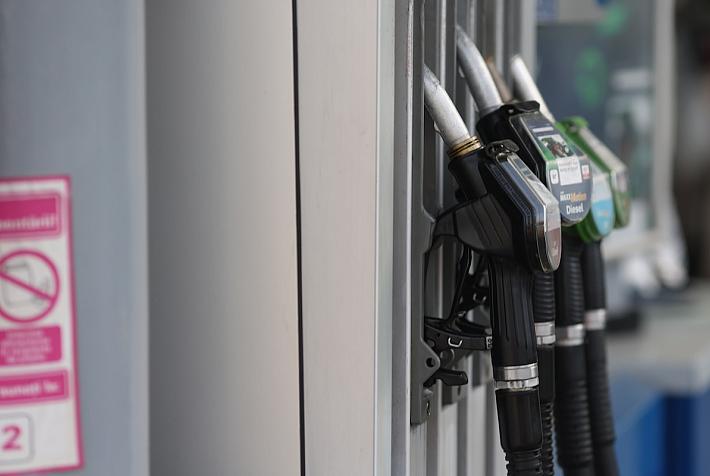
The assurances come amid a sharp rise in fuel prices. Diesel has climbed above RON 10.80 per liter in Bucharest after more than a week of sustained increases, while gasoline is selling for more than RON 9.50 per liter at some filling stations, Euronews Romania reported. According to the broadcaster, Romania recorded the highest increase in fuel prices in the European Union over the past week, at 7.5%, adding around RON 57 to the cost of a full tank.
In this context, president Nicușor Dan announced on Tuesday that he had signed the decree promulgating legislation introducing measures aimed at stabilizing the petroleum products market amid rising fuel prices.
"Geopolitical tensions in the Middle East and extreme volatility on the international oil market have generated rapid increases in fuel prices, including in our country," Dan said. "Rapid state intervention was once again necessary because these price increases translate into higher costs throughout the economy for citizens and businesses, with direct effects on purchasing power, economic competitiveness, and the stability of critical national sectors."
According to the president, the legislation provides for declaring a crisis situation on the petroleum products market, reducing the excise duty on diesel, capping commercial markups, and temporarily banning diesel exports without prior approval from the Energy Ministry in order to prioritize domestic consumption. It also introduces a solidarity contribution for large oil companies.
The government also reviewed the situation at the Cernavodă nuclear power plant amid low Danube levels. Dredging and rock removal works are continuing, while an operation involving the sinking of barges is planned once all technical conditions are met.
The measures are intended to extend the operation of Unit 2 for as long as possible, according to the prime minister.
“The water level at Cernavodă has not fallen further. This is a good sign, but the situation remains difficult, and we are continuing all measures to keep the unit operating for as long as possible," Bolojan said. "Every day of operation means additional energy for the National Energy System.”
The prime minister also met with major electricity suppliers to discuss measures aimed at maintaining balance in the energy system. The talks covered ways of ensuring market liquidity through the payment of outstanding amounts under the compensation scheme, as well as cooperation with grid operator Transelectrica on voluntary reductions in electricity consumption by large industrial consumers.
The government also agreed with energy regulator ANRE to accelerate the issuance of documents required for projects already at an advanced stage, allowing new power generation capacity to come online as quickly as possible.
At the same time, the government is preparing a backup mechanism that could temporarily limit electricity consumption by major industrial users if voluntary reductions prove insufficient during peak hours.
“In the coming days, we will adopt a government decision implementing the mechanism provided by law for situations in which voluntary consumption reductions are not sufficient to cover electricity demand during peak hours," Ilie Bolojan said.
Under the mechanism, large consumers could receive 24 hours' notice of temporary consumption limits, depending on the nature of their operations and the capacity of the National Energy System.
irina.marica@romania-insider.com
(Photo source: Gov.ro)