Romanian palliative care foundation Hospice “Casa Speranței” receives public utility status
The Hospice “Casa Speranței” Foundation, the biggest provider of palliative care services in Romania, has officially been granted the public utility status through a Government decision, after more than 10 years of waiting. As a result,…
Romania Insider · Journalist
· Updated · 3 min read
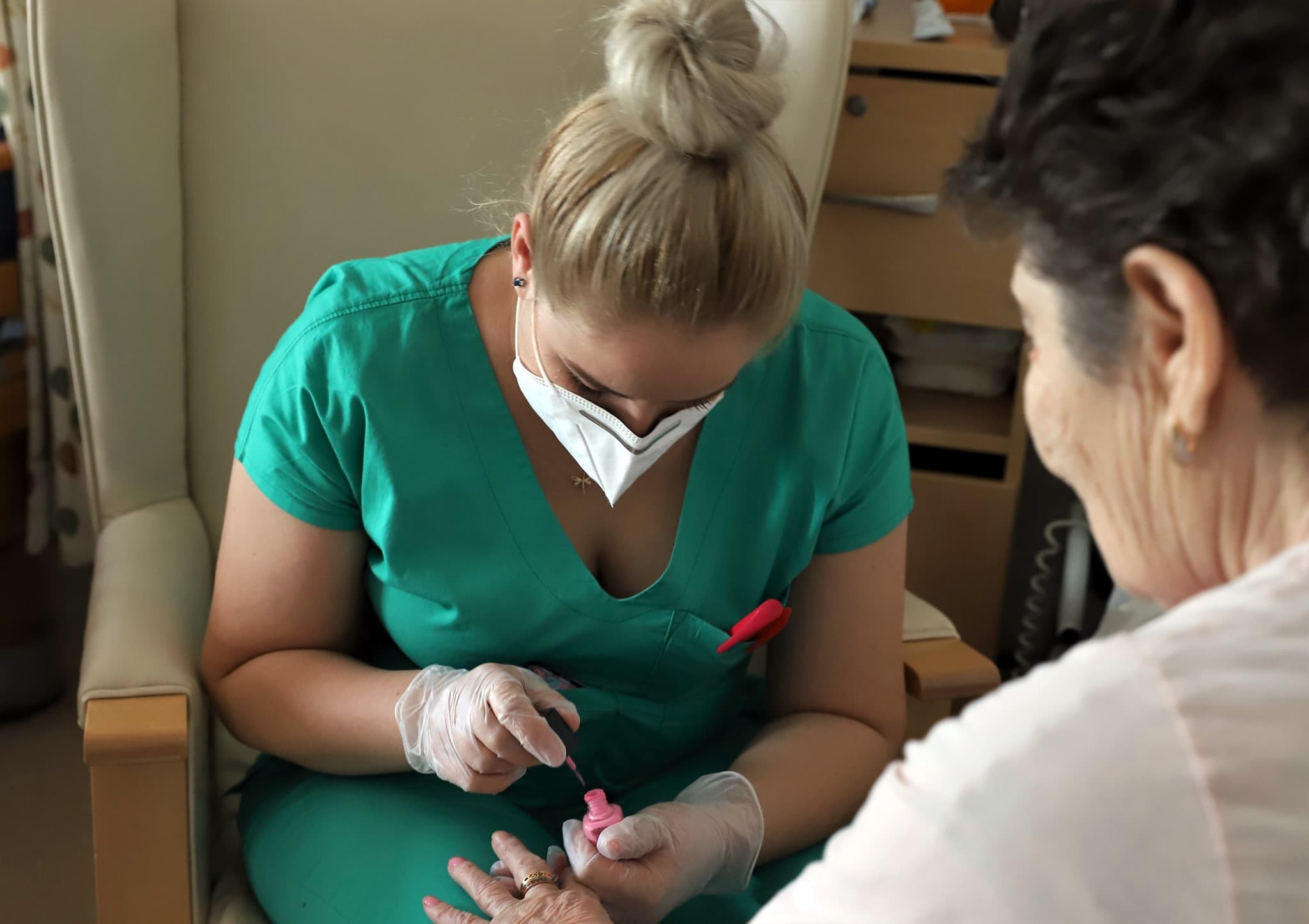
The Hospice “Casa Speranței” Foundation, the biggest provider of palliative care services in Romania, has officially been granted the public utility status through a Government decision, after more than 10 years of waiting. As a result, the foundation will be able to get state funding for performing public services, whereas, so far, it has relied only on donations for financing its operations.
“We rely on donations, on hard-earned money, and I am glad to see that after more than 10 years and after discussions with 15 health ministers (...) the hospice has obtained this status (...) It has been 30 years since we brought palliative care to Romania,” said Mirela Neamțu, Hospice “Casa Sperantei” executive director, in a press conference.
Englishman Graham Perolls established the hospice in 1992 in Brasov, central Romania. In the last 30 years, Hospice “Casa Sperantei” has grown into the largest foundation offering palliative care services in the country, taking care of terminally ill patients and their families - all free of charge.
Since its launch, Hospice “Casa Speranței” has treated around 45,000 patients in terminal phases of incurable diseases.
“After more than 10 years of waiting, Hospice "Casa Speranței" became today a foundation of public utility, by a Government decision, initiated by us, by the Ministry of Health,” health minister Alexandru Rafila said “We waited far too long, I was absolutely astonished when I arrived at the Ministry of Health to learn that such an institution had not yet received this status of public utility, considering that it has treated 45,000 patients in the terminal phase of incurable diseases,” he added.
The health minister also said that the authorities must learn from the many examples of good practices coming from the NGO sector and replicate these models to address the problems in the local health system.
“What Hospice "Casa Speranței" has been doing for 30 years is one such example, as it is not only about providing good quality medical services, it is also about something else, particularly for patients with such pathologies. It is about empathy and humanity,” he said.
The British Ambassador to Romania, Andrew Noble, who also attended the press conference added: “Hopefully in the future, the palliative care network in Romania will extend to all corners of the country and wherever it is needed.”
Free newsletters
Romania, in your inbox before your first coffee.
Get the Daily — the morning briefing, free, in English, unsubscribe anytime. Want business, real estate or travel digests too? Pick your newsletters →