Largest foreign investors in Romania highlight importance of stable, predictable governance

27 April 2026

The community of international investors in Romania, reunited in the Foreign Investors Council, or FIC, said in a press release on Monday, April 27, that Romania’s economic progress depends fundamentally on a stable and predictable governance framework.

The message comes amid a full-blown political crisis that began last week when the Romanian Social Democrats (PSD) decided in an internal vote to withdraw support for Liberal prime minister Ilie Bolojan, effectively dismantling the centrist, pro-EU coalition established last year. Following the vote, PSD ministers resigned from the government, and the party announced a no-confidence motion together with the far-right party Alliance for the Union of Romanians (AUR) in early May.

Foreign investors present in Romania said that the crisis comes at an already difficult time due to international tensions. 

“Against an already fragile international economic backdrop marked by geopolitical tensions, FIC underlines that stability, predictability, and institutional dialogue to further stabilize the state budget, reduce bureaucratization, and implement additional reforms are critical to preserving investor confidence in Romania,” the community said in a press release.

As a non-partisan business organization, FIC maintains that the priority of the business community is the preservation of a functional business environment that allows for long-term planning and capital allocation.

The organization highlights three critical pillars: institutional predictability, fiscal responsibility, and strategic momentum.

The first underlines policy stability. “Frequent changes in the political landscape often translate into abrupt shifts in fiscal or legislative policy. Investors require a stable approach to maintain trust in the local market, particularly in a context where regional risk perceptions remain sensitive, and financing conditions are already tight,” FIC said in the press release.

The same source cited a FIC Business Sentiment Index Survey, which found that 53% of companies report a deterioration in legislative predictability, while 68% identify it as a key concern.

“FIC analyses show that, in the past, foreign direct investment inflows have shown sensitivity to fiscal and policy uncertainty, for example, in the first half of 2023, FDI dropped by 13%,” FIC mentioned.

Fiscal responsibility, in turn, refers to sound budgetary management to preserve Romania’s sovereign credit ratings and access to capital for the public and private sectors. “Public debt has increased to more than 60% of GDP, and government bond yields are among the highest in Europe, reflecting both global conditions and domestic vulnerabilities. Maintaining confidence among rating agencies is therefore essential,” the organization said. 

Finally, strategic momentum signals the acceleration of the absorption of EU funds, including through the PNRR and SAFE programs.

If instability persists, FIC warned, investors will adopt a “wait-and-see” approach that may affect foreign direct investment inflows, which have averaged around EUR 6-7 billion annually in recent years. Without these funds, infrastructure, energy, and technology projects will be delayed, and pressures on the national currency will increase. Moreover, Romania will become less attractive than its neighbors to investors. 

The Foreign Investors Council brings together the most important foreign investors in Romania, approximately 110 of the largest companies in the country, with a cumulative turnover representing approximately 26% of the gross domestic product and a significant contribution to the state budget. 

radu@romania-insider.com

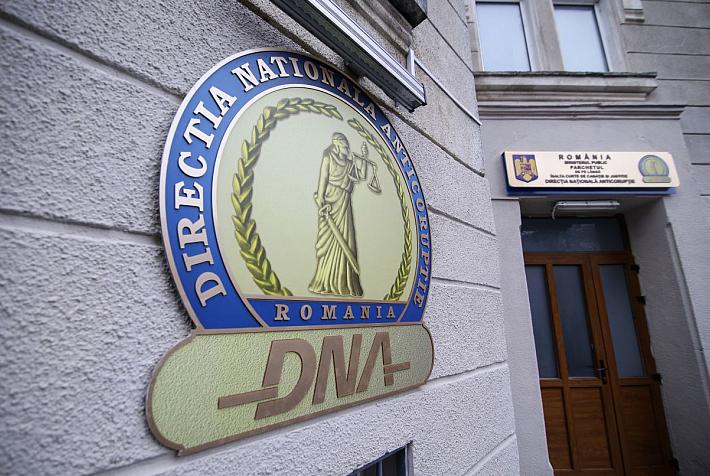
(Photo source: Leonid Sorokin|Dreamstime.com)

Normal

Largest foreign investors in Romania highlight importance of stable, predictable governance

27 April 2026

The community of international investors in Romania, reunited in the Foreign Investors Council, or FIC, said in a press release on Monday, April 27, that Romania’s economic progress depends fundamentally on a stable and predictable governance framework.

The message comes amid a full-blown political crisis that began last week when the Romanian Social Democrats (PSD) decided in an internal vote to withdraw support for Liberal prime minister Ilie Bolojan, effectively dismantling the centrist, pro-EU coalition established last year. Following the vote, PSD ministers resigned from the government, and the party announced a no-confidence motion together with the far-right party Alliance for the Union of Romanians (AUR) in early May.

Foreign investors present in Romania said that the crisis comes at an already difficult time due to international tensions. 

“Against an already fragile international economic backdrop marked by geopolitical tensions, FIC underlines that stability, predictability, and institutional dialogue to further stabilize the state budget, reduce bureaucratization, and implement additional reforms are critical to preserving investor confidence in Romania,” the community said in a press release.

As a non-partisan business organization, FIC maintains that the priority of the business community is the preservation of a functional business environment that allows for long-term planning and capital allocation.

The organization highlights three critical pillars: institutional predictability, fiscal responsibility, and strategic momentum.

The first underlines policy stability. “Frequent changes in the political landscape often translate into abrupt shifts in fiscal or legislative policy. Investors require a stable approach to maintain trust in the local market, particularly in a context where regional risk perceptions remain sensitive, and financing conditions are already tight,” FIC said in the press release.

The same source cited a FIC Business Sentiment Index Survey, which found that 53% of companies report a deterioration in legislative predictability, while 68% identify it as a key concern.

“FIC analyses show that, in the past, foreign direct investment inflows have shown sensitivity to fiscal and policy uncertainty, for example, in the first half of 2023, FDI dropped by 13%,” FIC mentioned.

Fiscal responsibility, in turn, refers to sound budgetary management to preserve Romania’s sovereign credit ratings and access to capital for the public and private sectors. “Public debt has increased to more than 60% of GDP, and government bond yields are among the highest in Europe, reflecting both global conditions and domestic vulnerabilities. Maintaining confidence among rating agencies is therefore essential,” the organization said. 

Finally, strategic momentum signals the acceleration of the absorption of EU funds, including through the PNRR and SAFE programs.

If instability persists, FIC warned, investors will adopt a “wait-and-see” approach that may affect foreign direct investment inflows, which have averaged around EUR 6-7 billion annually in recent years. Without these funds, infrastructure, energy, and technology projects will be delayed, and pressures on the national currency will increase. Moreover, Romania will become less attractive than its neighbors to investors. 

The Foreign Investors Council brings together the most important foreign investors in Romania, approximately 110 of the largest companies in the country, with a cumulative turnover representing approximately 26% of the gross domestic product and a significant contribution to the state budget. 

radu@romania-insider.com

(Photo source: Leonid Sorokin|Dreamstime.com)
Normal

Romania Insider Free Newsletters