Dutch investigators think Romanian gold treasure stolen from Drents museum was hidden by suspects
The prosecutors investigating the theft of the Dacian gold treasure from the Drents museum in Assen, Netherlands, believe that the items were not melted down but hidden by the arrestees.
Radu Dumitrescu · Journalist
· Updated · 1 min read

The prosecutors investigating the theft of the Dacian gold treasure from the Drents museum in Assen, Netherlands, believe that the items were not melted down but hidden by the arrestees.
The Dutch Public Prosecutor's Office believes that the main suspects failed to sell the treasures on the black market and are keeping them hidden. If the theory proves to be true, the artifacts stolen earlier this year from the Drents Museum in Assen, including the Helmet of Coțofenești, could still be recovered.
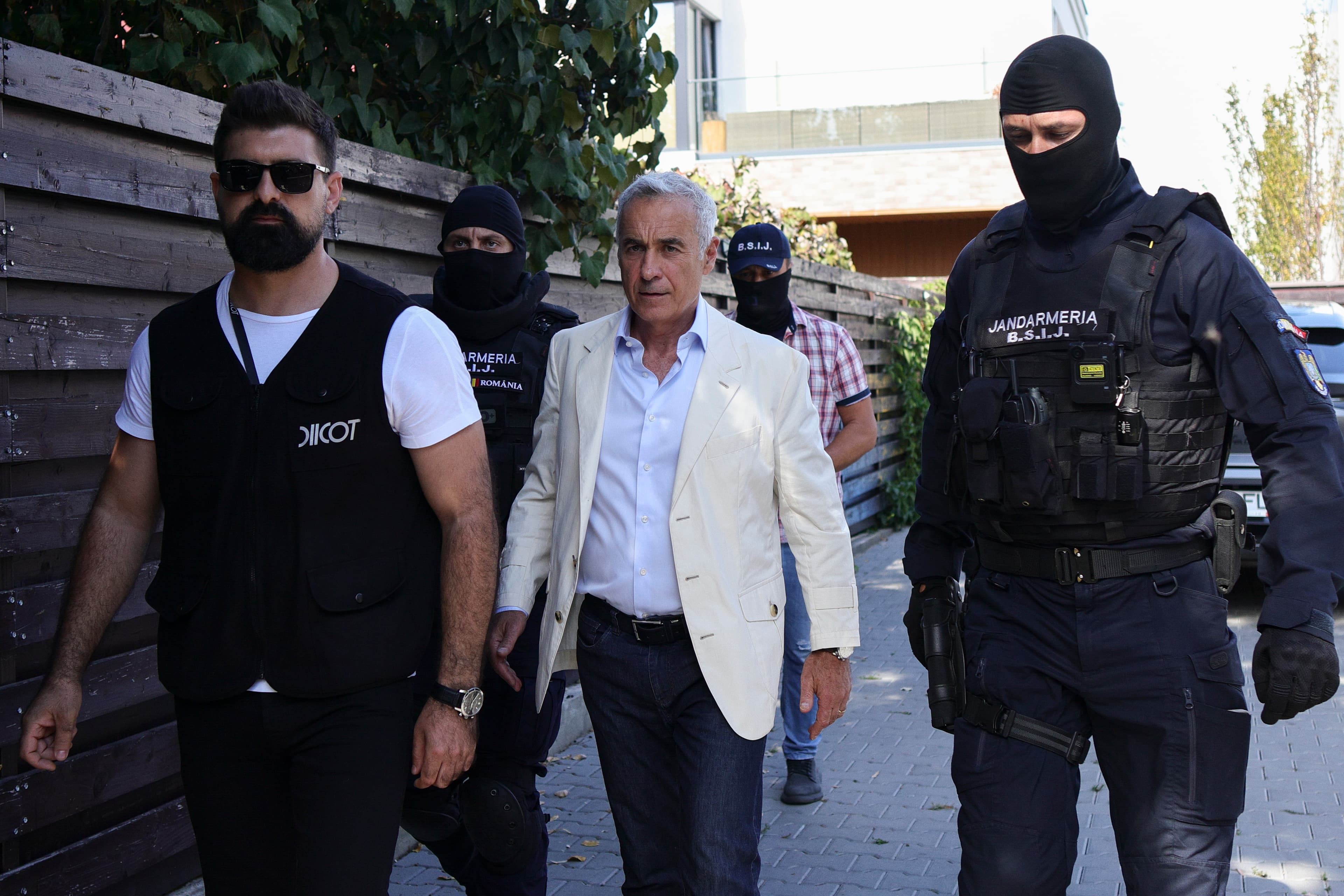
The district court in the Netherlands has extended the pre-trial detention of the two individuals arrested in January by another 90 days. They are charged with aggravated theft, causing an explosion, and destruction of property.
A third suspect, aged 20, also remains in custody after confessing to undercover agents that he took part in the heist.
Another four individuals are under investigation for involvement, but will be tried while free.
The trial is expected to begin next year, with the next public court session scheduled for July 30. Dutch prosecutors continue their investigations and remain optimistic about recovering the artifacts, which experts believe would be impossible to sell on the black market.
Back in January, the gold pieces dating back to 450 BC that were on loan to the Dutch museum were stolen. The thieves used a powerful homemade bomb and a sledgehammer to break into the museum, which was unguarded. The first suspects were arrested on January 29.
Immediately after the theft, representatives of the Romanian History Museum announced that the entire treasure on display in the Netherlands was insured for EUR 30 million.
(Photo source: Drents Museum on Facebook)
Free newsletters
Romania, in your inbox before your first coffee.
Get the Daily — the morning briefing, free, in English, unsubscribe anytime. Want business, real estate or travel digests too? Pick your newsletters →