Romania's Supreme Defense Council flags tax evasion as national vulnerability, calls for reforms
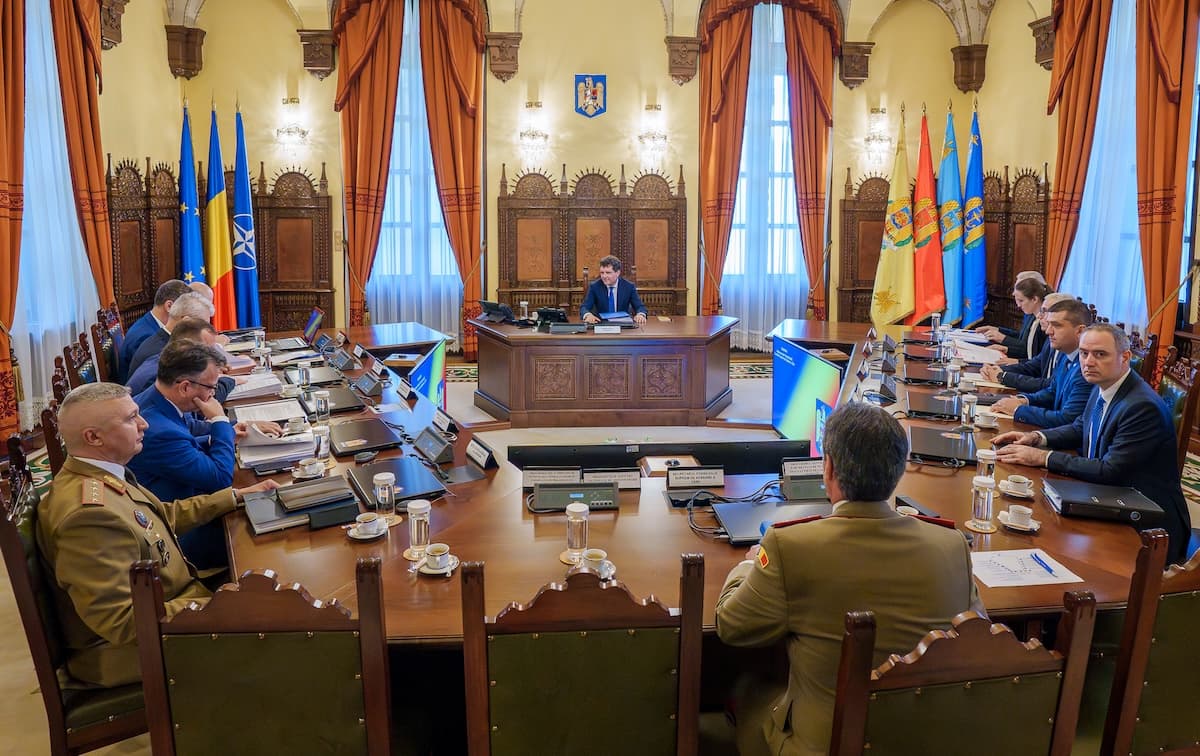
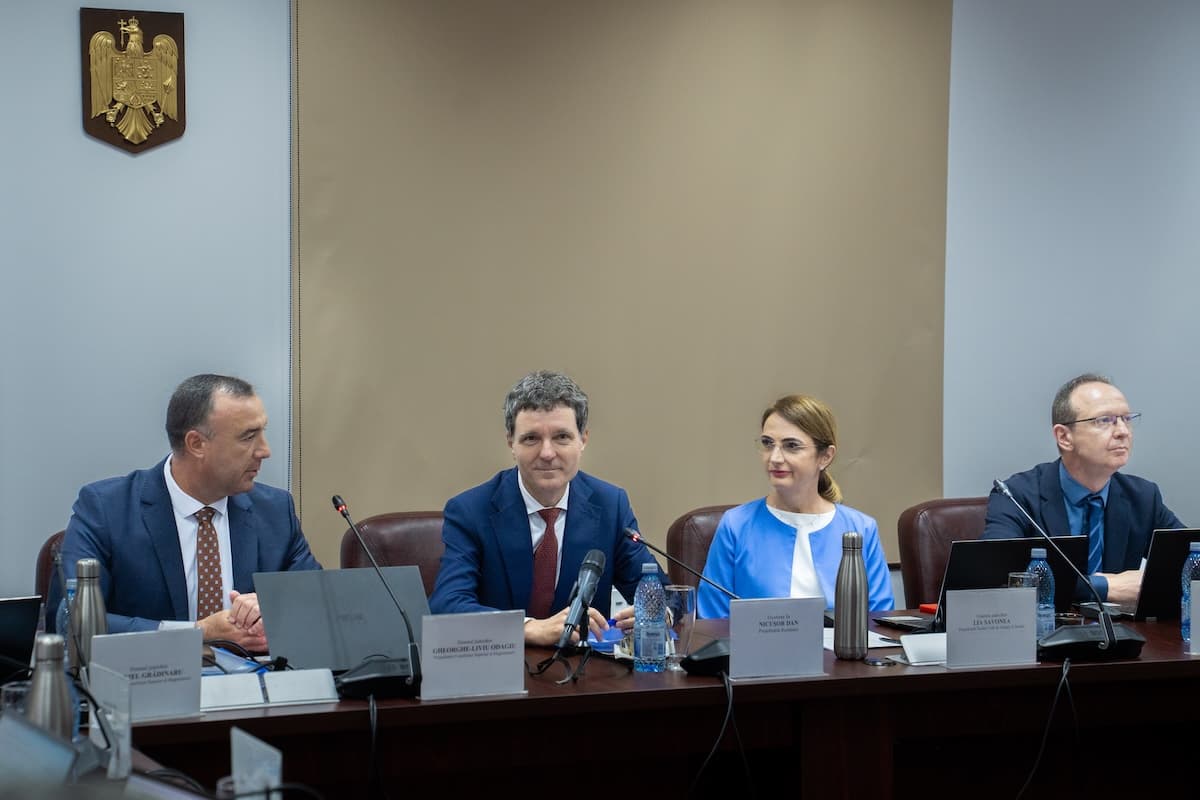
At the meeting held Monday, June 30, the Supreme Council of National Defense (CSAT), chaired by president Nicușor Dan, identified tax evasion as a major threat to the country's economic security. Moreover, the session addressed other…
Irina Marica · Journalist
· Updated · 3 min read
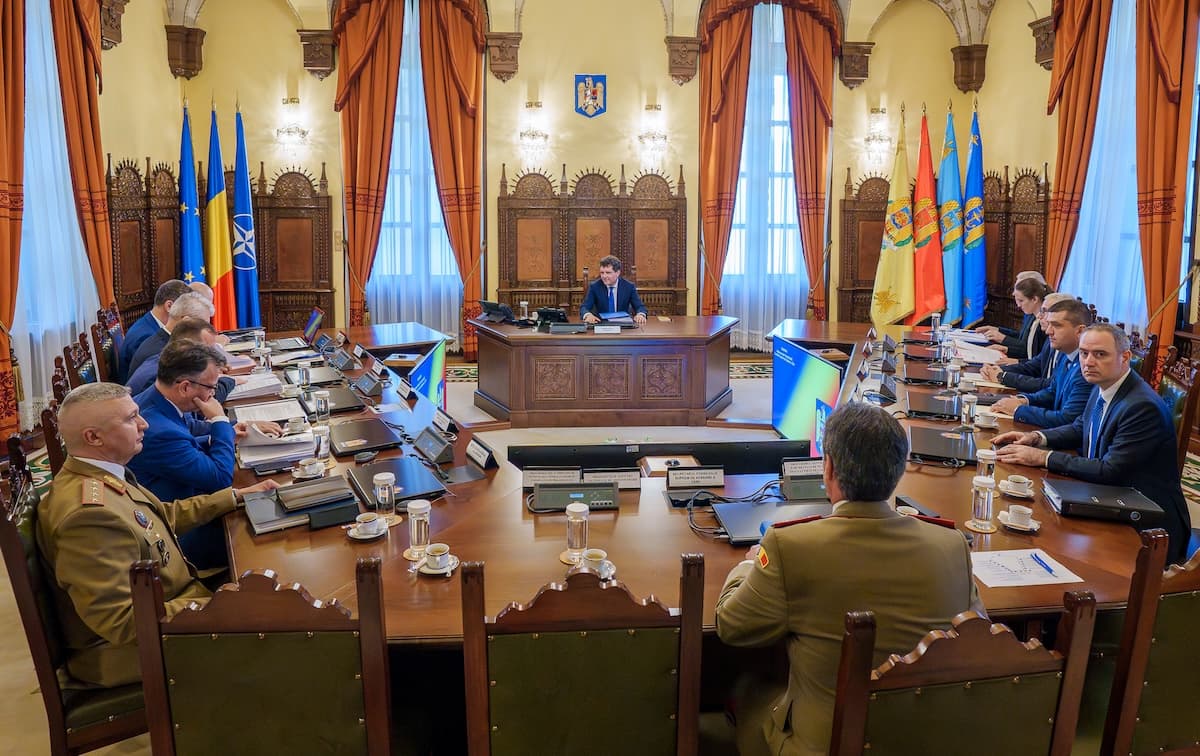
At the meeting held Monday, June 30, the Supreme Council of National Defense (CSAT), chaired by president Nicușor Dan, identified tax evasion as a major threat to the country's economic security. Moreover, the session addressed other topics of interest, such as Romania's military participation in international missions, developments in Ukraine, cyber threats, and infrastructure vulnerabilities at the flooded Praid Salt Mine.
A central theme of the meeting was the growing threat posed by tax evasion to Romania's economic stability. Council members emphasized that tax evasion continues to "undermine the state budget, weakens public institutions' ability to deliver quality services, and fosters inequality among taxpayers," according to a statement from the Presidency.
Thus, the council called for a firm, coordinated response from all relevant institutions to dismantle evasion and fraud networks. To that end, several urgent directions of action were agreed upon: intensifying tax inspections, accelerating the digital transformation of the fiscal system, and using every available legal mechanism to recover damages caused to the Romanian state.
In addition to these enforcement measures, the council called for a coherent and robust legal framework to guide the fight against tax evasion. This would include clearer oversight structures, intervention mechanisms for relevant authorities, and strict ethical standards for public employees.
The government is expected to take swift legislative action to support this framework, including criminal law provisions designed to deter both the act of tax evasion and the facilitation of such behavior.
In addition to the focus on fiscal vulnerabilities, the CSAT discussed Romania's military engagements abroad. The council reviewed and approved the structure of Romanian armed forces that could be deployed in international missions and operations outside the country in 2026. These deployments form part of Romania's commitments to international peace and security, particularly through NATO and other allied frameworks.
The war in Ukraine remained a key topic of strategic concern. The council analyzed the current developments on the battlefield, as well as the status of ongoing international negotiations. As a neighboring state and member of both NATO and the European Union, Romania reaffirmed its deep interest in Ukraine's security.
"Our country supports the efforts of the United States of America to end this armed conflict and condemns Moscow's lack of political will to pursue peace, as well as its refusal to agree to a full, immediate, and unconditional ceasefire. Together with the other EU and NATO member states, Romania will continue to support Ukraine in its fight to defend its sovereignty," reads the Presidency's statement.