Romanian film review – A Long Movie Summer

13 August 2026

The last month of summer is well underway now, but open-air events are still going strong.

Take the annual TIFF Unlimited caravan that travels to various cities with movies shown at the eponymous festival that took place at the beginning of June in Cluj-Napoca. You can check out the details here and on their FB page (in Romanian).
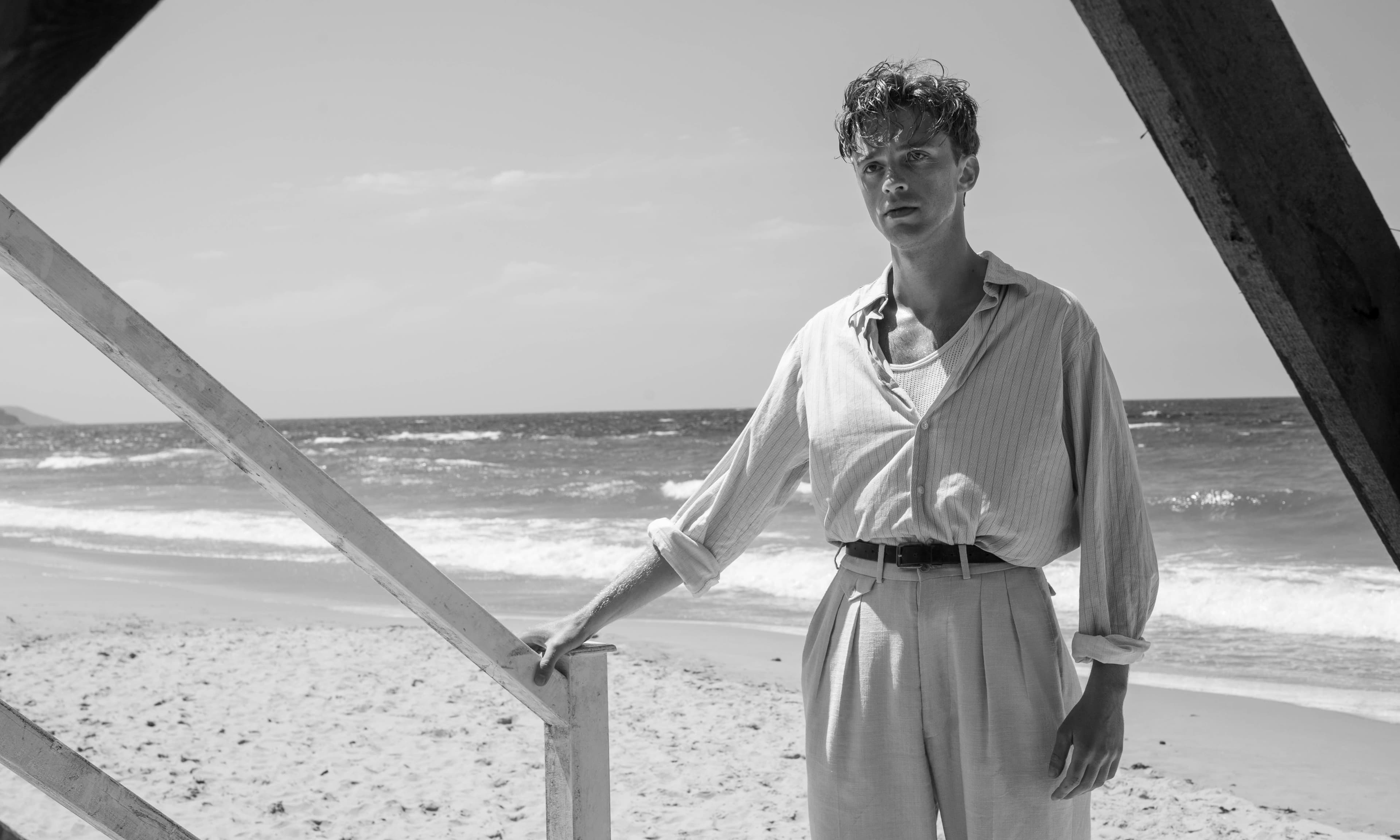
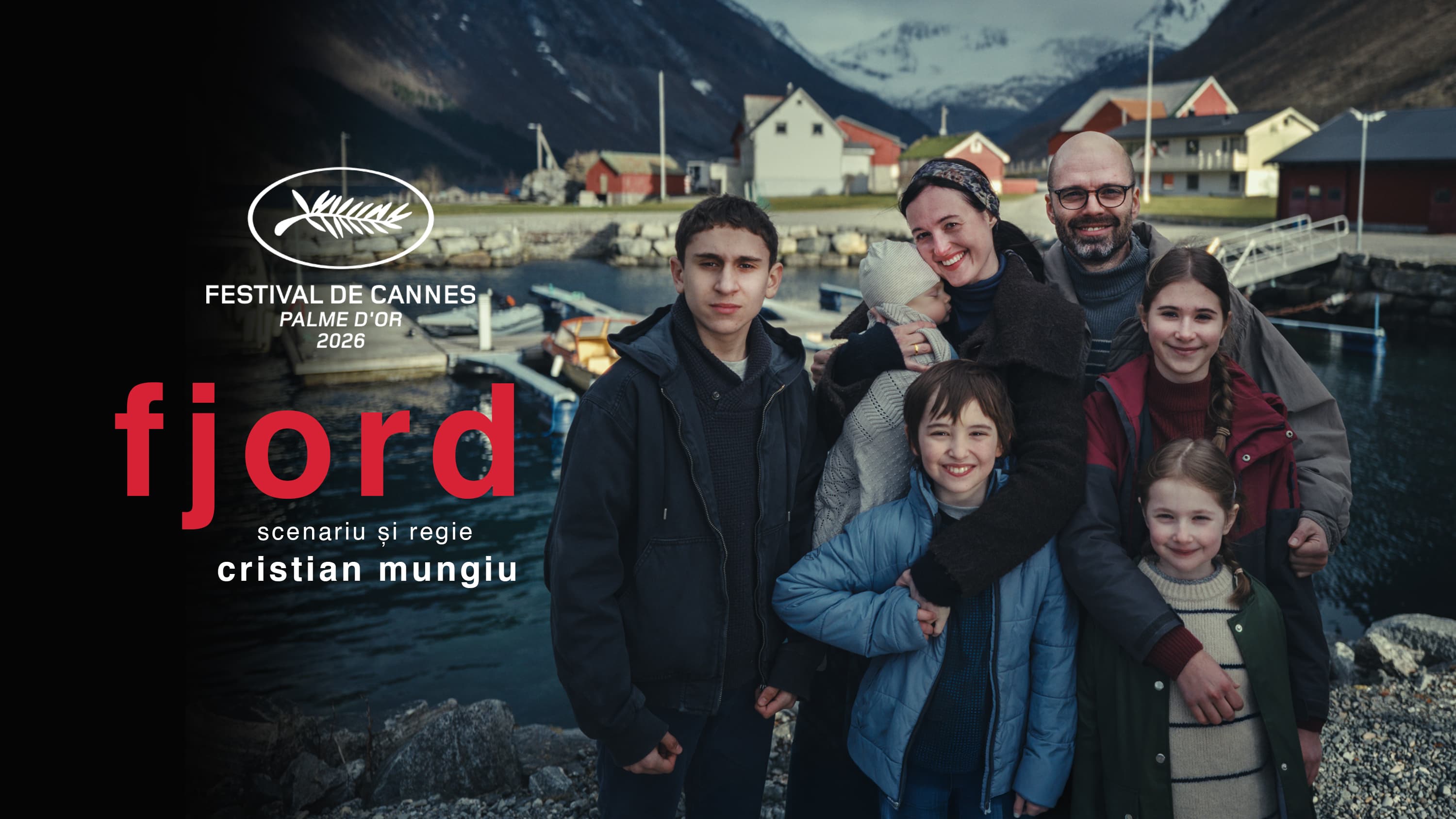
It’s also a good occasion to think back on the ‘mother’ event, Transilvania International Film Festival (the aforementioned TIFF). It celebrated its 25th edition and brought together a large part of the local film industry, mostly during the Romanian Days section that features both premieres and recent releases. For the sake of brevity I will cruise through the ones that stayed with me most. Amazingly prolific Radu Jude participated with The Diary of a Chambermaid/ Journal d'une femme de chambre, a typically caustic tale of class and capitalism, more subdued than some of his most recent fare. More on it when the film is released in cinemas in autumn. Ingenious, versatile and (deadpan) comedy genius Corneliu Porumboiu was paid extensive homage, and it was high time. Among the premieres, Andreea Cristina Borțun’s A River’s Gaze/ Malul vânăt stood out through its considered, stoic approach to a female-centred story set in rural southern Romania. For the opposite genre, I cannot remember the last time I heard so much laughter at a Romanian comedy like during Cristian Bota’s Back and Forth/ Dus-întors, a tragi-comic father-son road trip carried by great acting and sharp comedic timing. The short film programmes this year were more coherent and simply better than compared to past years. If I had to single out a few, it would be Cosmin Nicolae’s Cherry Master and Valentin-Rareș Fogoroș’s The Americans Are Coming!/ Vin Americanii!, the former a strikingly beautiful Bucharest-by-night story with a Chinese gymnast as its lone protagonist, and the latter a hilarious fake documentary about an American shooting in the Transylvanian countryside.

I must confess I neglected the main competition this year in favour of other sections but from what I saw, Ratchapoom Boonbunchachoke’s A Useful Ghost/ Pee Chai Dai Ka was unexpectedly sweet, a story of the dead coming back as vacuum cleaners. I could never guess the next turn in the plot, and what a perfect balance of humour, awkwardness and wisdom. The documentary competition was once again my favourite, staying true to its love for hybrid forms, mixing fiction and documentary. I was so, so impressed with Jason Jacobs and Devon Delmar’s Variations on a Theme, a lyrical, gentle, and utterly distinctive portrait of an indigenous community in South Africa’s Namaqualand. To circle back to – and end with – the classics, or as some might say, TIFF’s greatest strength: this year even grander, because they added films that premiered 25 years ago, the year the festival was born. Watching John Cameron Mitchell’s Hedwig and the Angry Inch with a full theatre singing along was a blast. Otherwise, I finally caught up on George Sluizer’s The Vanishing/ Spoorloos (1988), it’s truly one of the most bone-chilling films I’ve ever seen, and Iván Zulueta’s Rapture/ Arrebato (1979), a cult, drug-fuelled cautionary tale of cinema as an obsession, gorgeous and haunting.

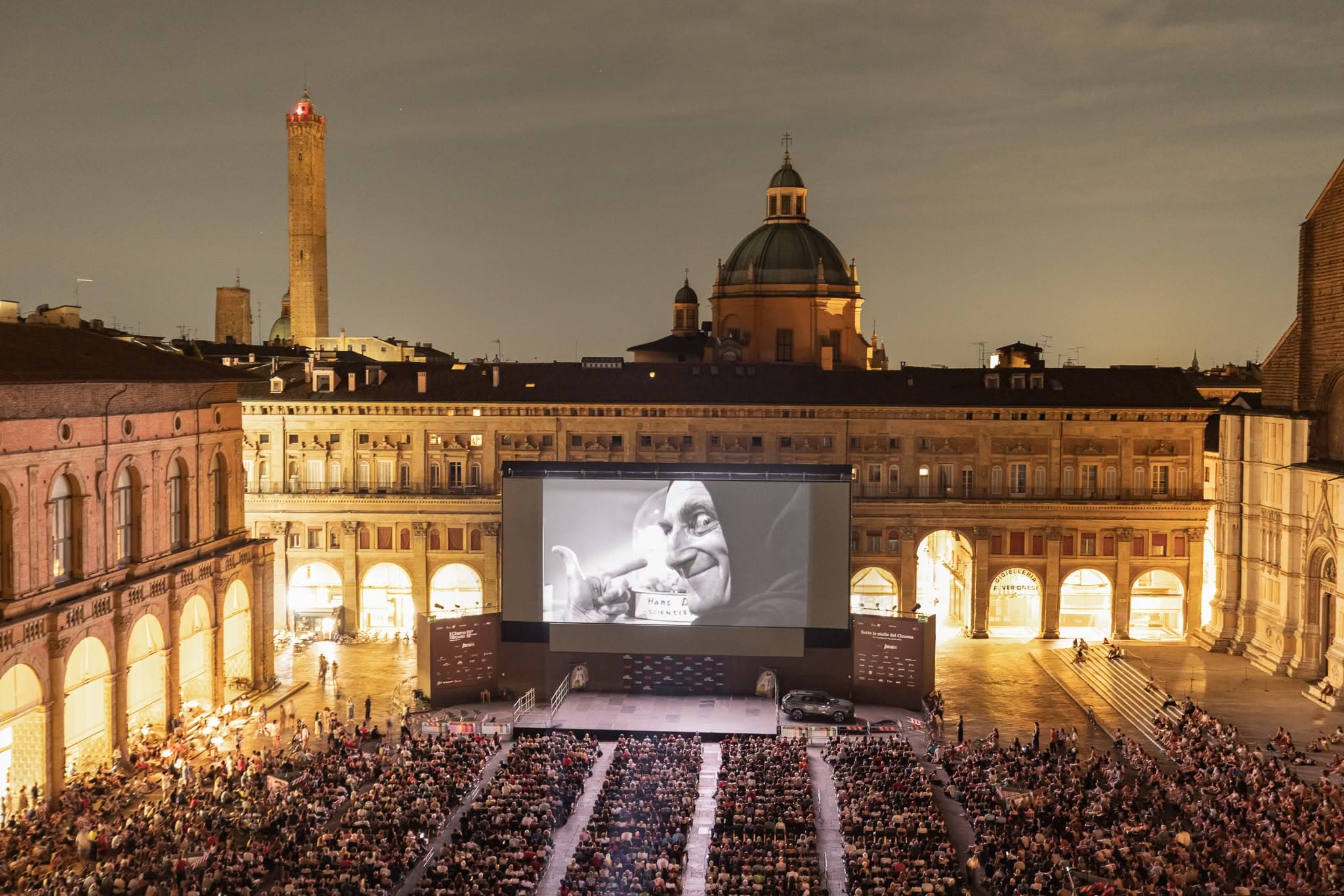
Cinephile obsession is a great way to segue to the second part of my article: In my personal Groundhog Day manner, every June I go from Cluj to the northern Italian city of Bologna, a centre for film restoration and preservation and host of cinema lovers' heaven, its festival of restored film, Il Cinema Ritrovato. And here comes the next link to TIFF: the hard-working Radu Jude. His film is the first Romanian title I’ve spotted in the selection in the eight years I’ve been here. The material is Italian though, namely archive pornography reels that Jude and brilliant editor Cătălin Cristuțiu edited with zest, accompanied by a narration from Dante, and named Trailer for Dante's Paradiso/ Trailer pentru paradisul lui Dante. A more misleading, cheeky title has not existed. Carlo Chatrian, director of the National Cinema Museum in Turin, introduced the short film and joked that he knew as soon as he initially mentioned their large porn archive that he’d be sorry. I can see why, because Radu Jude hasn’t encountered a cringey content that he wouldn’t unleash upon his audience. As always, it starts fun but as the film progresses towards its ‘climax’ it becomes harder to sit through, and the gimmick gets tiresome and uncomfortable. There is only so much ejaculation one can handle at 11 in the morning. The film turned out to be the more benign in the programme, the other two managed – remarkably and distressingly – to upstage it in shock value. Oh what I would have given for trigger warnings.

The other movies I saw were more proper (ha!) but also more forgettable than in past years. I blame the extreme heat for putting a dent in my ability to make choices and run between locations. The memorable ones were the newly restored films of Indian filmmaker Ritwik Ghatak (poetic and political); Dariush Mehrjui’s dark and fantastic The Cycle/ Dayereh-ye Mina (1975), the downfall of a young man getting caught in a blood-donation crime ring and the labyrinth of a Tehran hospital; and Mitchell Leisen’s witty rom-com No Time for Love (1943). The most fun discovery was the 3D restoration of Warner Bros.’ 1950s movies, when the format had a phase of glory before the rise of Cinemascope. Popeye in 3D was eye-popping – I could not resist the pun, sorry! I would have watched a whole night of those bright shapes and movements.

A different (and much more personal) highlight was the talk with Canadian filmmaker Guy Maddin following a screening of his eccentric, hypnotic ode to German expressionism Careful (1992). His strange, lovely films made my 20-year-old brain explode back then; it was such a clear moment when I realized what cinema can do, how playful and free it can be, how it can show its admiration for what’s been done before with delight and ingenuity. Hearing Maddin talk with sly joy about his process and his love for the medium has already become of my most treasured encounters.

By Ioana Moldovan, columnist, ioana.moldovan@romania-insider.com
Photo info & credit: screening of Mel Brooks’ Young Frankenstein, © Lorenzo Burlando, courtesy of Cineteca di Bologna


Normal

Romanian film review – A Long Movie Summer

13 August 2026

The last month of summer is well underway now, but open-air events are still going strong.

Take the annual TIFF Unlimited caravan that travels to various cities with movies shown at the eponymous festival that took place at the beginning of June in Cluj-Napoca. You can check out the details here and on their FB page (in Romanian).
It’s also a good occasion to think back on the ‘mother’ event, Transilvania International Film Festival (the aforementioned TIFF). It celebrated its 25th edition and brought together a large part of the local film industry, mostly during the Romanian Days section that features both premieres and recent releases. For the sake of brevity I will cruise through the ones that stayed with me most. Amazingly prolific Radu Jude participated with The Diary of a Chambermaid/ Journal d'une femme de chambre, a typically caustic tale of class and capitalism, more subdued than some of his most recent fare. More on it when the film is released in cinemas in autumn. Ingenious, versatile and (deadpan) comedy genius Corneliu Porumboiu was paid extensive homage, and it was high time. Among the premieres, Andreea Cristina Borțun’s A River’s Gaze/ Malul vânăt stood out through its considered, stoic approach to a female-centred story set in rural southern Romania. For the opposite genre, I cannot remember the last time I heard so much laughter at a Romanian comedy like during Cristian Bota’s Back and Forth/ Dus-întors, a tragi-comic father-son road trip carried by great acting and sharp comedic timing. The short film programmes this year were more coherent and simply better than compared to past years. If I had to single out a few, it would be Cosmin Nicolae’s Cherry Master and Valentin-Rareș Fogoroș’s The Americans Are Coming!/ Vin Americanii!, the former a strikingly beautiful Bucharest-by-night story with a Chinese gymnast as its lone protagonist, and the latter a hilarious fake documentary about an American shooting in the Transylvanian countryside.

I must confess I neglected the main competition this year in favour of other sections but from what I saw, Ratchapoom Boonbunchachoke’s A Useful Ghost/ Pee Chai Dai Ka was unexpectedly sweet, a story of the dead coming back as vacuum cleaners. I could never guess the next turn in the plot, and what a perfect balance of humour, awkwardness and wisdom. The documentary competition was once again my favourite, staying true to its love for hybrid forms, mixing fiction and documentary. I was so, so impressed with Jason Jacobs and Devon Delmar’s Variations on a Theme, a lyrical, gentle, and utterly distinctive portrait of an indigenous community in South Africa’s Namaqualand. To circle back to – and end with – the classics, or as some might say, TIFF’s greatest strength: this year even grander, because they added films that premiered 25 years ago, the year the festival was born. Watching John Cameron Mitchell’s Hedwig and the Angry Inch with a full theatre singing along was a blast. Otherwise, I finally caught up on George Sluizer’s The Vanishing/ Spoorloos (1988), it’s truly one of the most bone-chilling films I’ve ever seen, and Iván Zulueta’s Rapture/ Arrebato (1979), a cult, drug-fuelled cautionary tale of cinema as an obsession, gorgeous and haunting.

Cinephile obsession is a great way to segue to the second part of my article: In my personal Groundhog Day manner, every June I go from Cluj to the northern Italian city of Bologna, a centre for film restoration and preservation and host of cinema lovers' heaven, its festival of restored film, Il Cinema Ritrovato. And here comes the next link to TIFF: the hard-working Radu Jude. His film is the first Romanian title I’ve spotted in the selection in the eight years I’ve been here. The material is Italian though, namely archive pornography reels that Jude and brilliant editor Cătălin Cristuțiu edited with zest, accompanied by a narration from Dante, and named Trailer for Dante's Paradiso/ Trailer pentru paradisul lui Dante. A more misleading, cheeky title has not existed. Carlo Chatrian, director of the National Cinema Museum in Turin, introduced the short film and joked that he knew as soon as he initially mentioned their large porn archive that he’d be sorry. I can see why, because Radu Jude hasn’t encountered a cringey content that he wouldn’t unleash upon his audience. As always, it starts fun but as the film progresses towards its ‘climax’ it becomes harder to sit through, and the gimmick gets tiresome and uncomfortable. There is only so much ejaculation one can handle at 11 in the morning. The film turned out to be the more benign in the programme, the other two managed – remarkably and distressingly – to upstage it in shock value. Oh what I would have given for trigger warnings.

The other movies I saw were more proper (ha!) but also more forgettable than in past years. I blame the extreme heat for putting a dent in my ability to make choices and run between locations. The memorable ones were the newly restored films of Indian filmmaker Ritwik Ghatak (poetic and political); Dariush Mehrjui’s dark and fantastic The Cycle/ Dayereh-ye Mina (1975), the downfall of a young man getting caught in a blood-donation crime ring and the labyrinth of a Tehran hospital; and Mitchell Leisen’s witty rom-com No Time for Love (1943). The most fun discovery was the 3D restoration of Warner Bros.’ 1950s movies, when the format had a phase of glory before the rise of Cinemascope. Popeye in 3D was eye-popping – I could not resist the pun, sorry! I would have watched a whole night of those bright shapes and movements.

A different (and much more personal) highlight was the talk with Canadian filmmaker Guy Maddin following a screening of his eccentric, hypnotic ode to German expressionism Careful (1992). His strange, lovely films made my 20-year-old brain explode back then; it was such a clear moment when I realized what cinema can do, how playful and free it can be, how it can show its admiration for what’s been done before with delight and ingenuity. Hearing Maddin talk with sly joy about his process and his love for the medium has already become of my most treasured encounters.

By Ioana Moldovan, columnist, ioana.moldovan@romania-insider.com
Photo info & credit: screening of Mel Brooks’ Young Frankenstein, © Lorenzo Burlando, courtesy of Cineteca di Bologna


Normal

Romania Insider Free Newsletters