Romania faces major political changes with pivotal presidential elections

16 May 2025

The presidential elections in Romania on May 18 may mark the most important political change since the fall of communism in 1989, with two scenarios radically different: a thorough radical political reform of mainstream parties, complicated by tight economic constraints, and the rise of radical political entities that increasingly resemble the hard-right movement of the 1930s that led to the fascist rule from 1937 to 1940 and 1941 to 1944. 

Far-right leader George Simion, a replacement of ideologist Calin Georgescu with communist roots and fascist rhetoric, to whom he owes a large part of the surprising 41% score in the first round of the presidential ballot on May 4, started from the frontrunner position. But his advance has gradually diluted as the general public with no political involvement so far started to understand the isolationist plans of Simion’s far-right party AUR. 

George Simion’s rhetoric is double-sided: he insists he will be a pro-EU and pro-NATO leader who is more directly aligned with Italy’s prime minister Giorgia Meloni - a pro-Ukraine right-winger - than Orbán or Fico, according to a profile published recently by Politico. But at home, he speaks against free media and political parties, warns of revenge against his opponents, has a radical tough speech, and above all, promises to appoint his mentor Calin Georgescu with fascist rhetoric as prime minister.

Simion is still backed by roughly half of the active electorate, which is disappointed by the corrupt political regimes that failed to negotiate a more inclusive transition for the country with the IFIS and the EU over the past decades. 

The option of Simion winning the elections scared the financial markets, pushing the country’s debt close to the trash category, and also the Brussels officials – who are reportedly already considering the most radical scenarios such as suspending the funds disbursed to Romania in case the rule of law deteriorates significantly as expected under a far-right regime.

George Simion is thus close to reaching the target his mentor Calin Georgescu was heading towards last December – when the Romanian authorities canceled the presidential elections, signaling Russia’s involvement. What seemed a decision based on flimsy evidence and possibly caused by the low scores of the ruling coalition’s candidates was later confirmed as a legitimate move given the persistent influence of Russia-backed entities over the past several years not timely addressed by Romanian authorities.

Far-right politician George Simion, former political activist and co-founder of the Alliance for the Union of Romanians (AUR), in a complicated relation with his ideologist Calin Georgescu, who claims a senior role in the future political construction, advocates for deeper institutional reforms towards what increasingly seems to be a hard-right authoritarian regime with no political parties but rather “the people” ruling the country. 
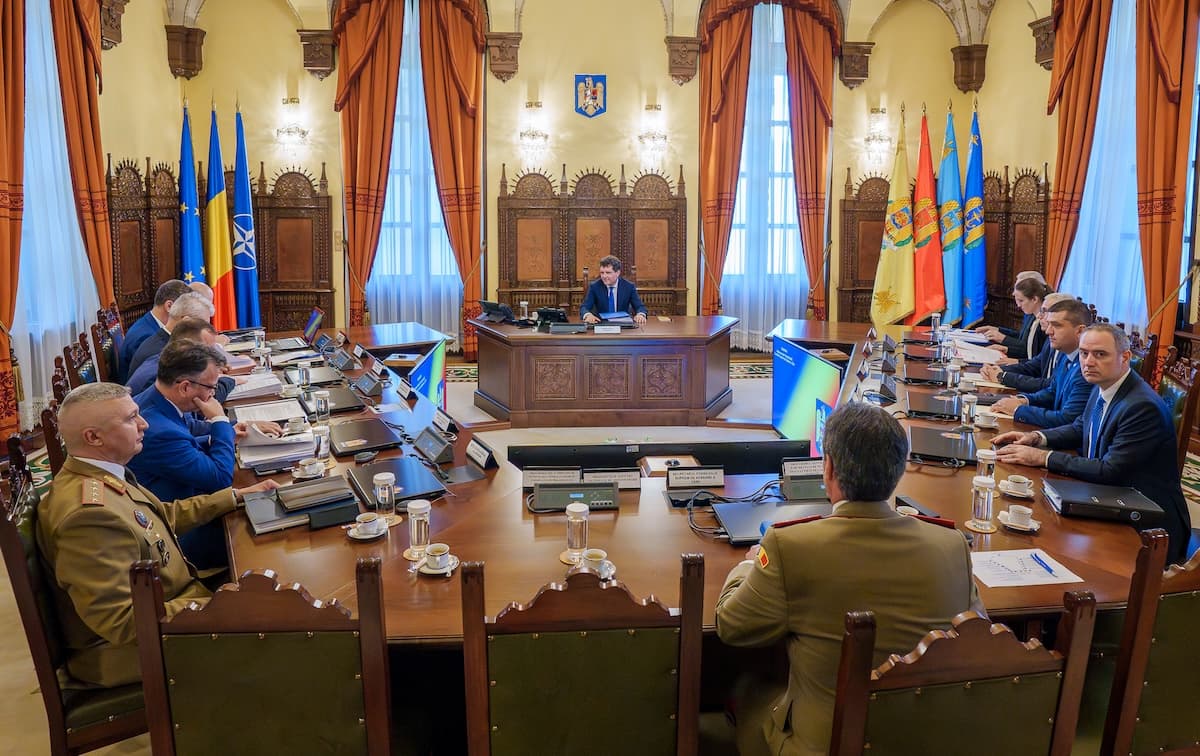
With only 30% in Parliament but possibly the collaboration of the unreformed Social Democratic Party (PSD), Simion will also have to face financial constraints.

While not targeting a presidential term until the failed presidential elections last December, Bucharest mayor Nicusor Dan will seek to stabilise the country politically and economically with several ruling majority options in Parliament, out of which none seems sound since all mainstream political parties (Social Democratic, Liberal parties as well as reformist USR) are undergoing deep internal crises. 

Although not supposed to play a role in the country’s administration as a president, Dan will have to get involved in settling the financial challenges of deep budgetary imbalances.

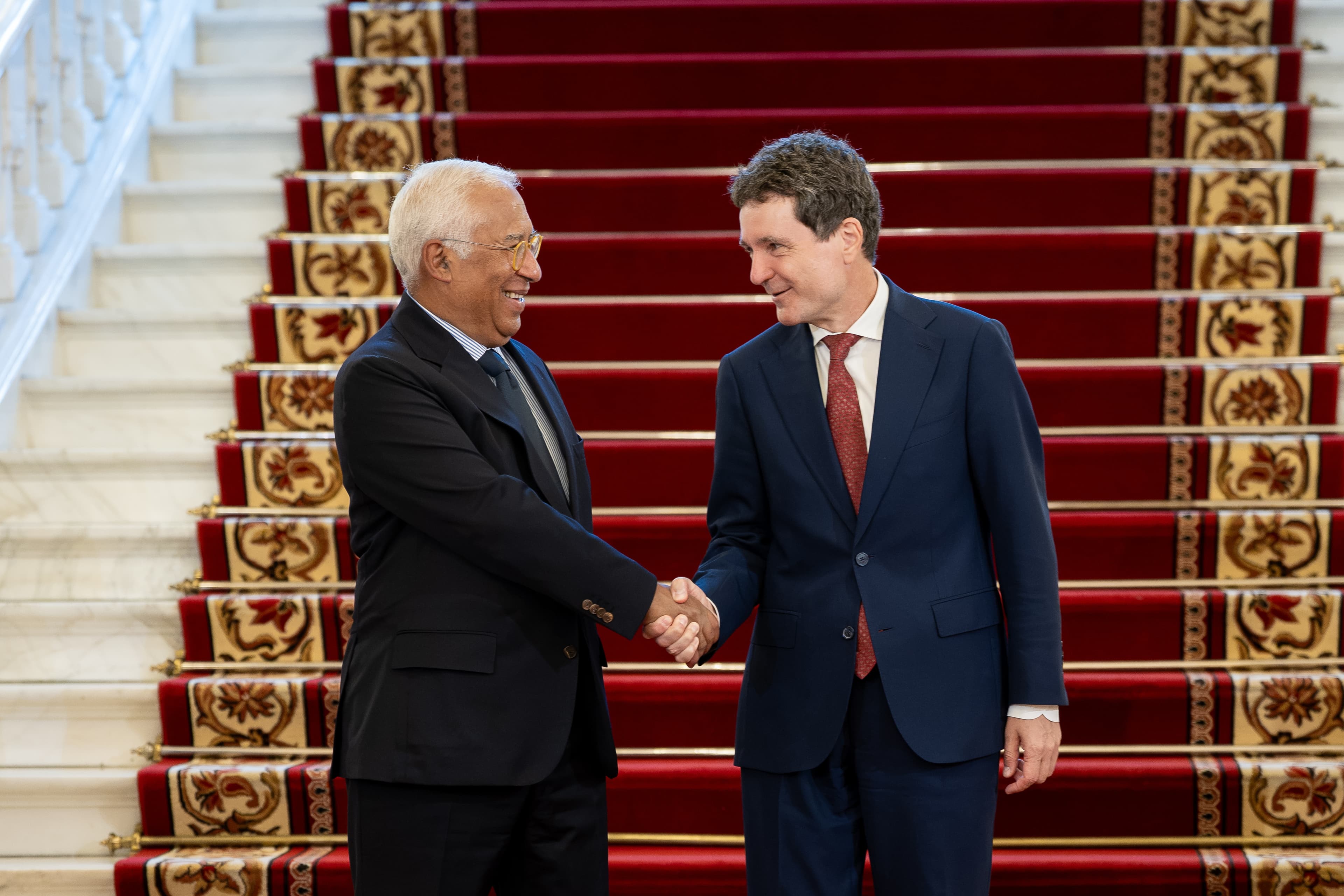
Nicusor Dan, currently mayor of Romania’s capital city and independent presidential candidate, emerged as the de facto leader of the democratic opposition roughly a year ago when he won the second mandate at Bucharest City Call.

With a career as a mathematician, he developed an NGO to protect Bucharest from uncontrolled urbanisation, which later turned into a political vehicle. When the party (Save Romania Union) opted to take a position on hot gender issues in 2017, he opted to step down, arguing that this is not the role of a political party. 

As an independent candidate, Dan was elected twice at Bucharest City Hall, where he managed to get a majority formed from the mainstream parties with diverse political orientations.

iulian@romania-insider.com

(Photo source: Inquam Photos/Malina Norocea, Sabin Cirstoveanu)

Normal

Romania faces major political changes with pivotal presidential elections

16 May 2025

The presidential elections in Romania on May 18 may mark the most important political change since the fall of communism in 1989, with two scenarios radically different: a thorough radical political reform of mainstream parties, complicated by tight economic constraints, and the rise of radical political entities that increasingly resemble the hard-right movement of the 1930s that led to the fascist rule from 1937 to 1940 and 1941 to 1944. 

Far-right leader George Simion, a replacement of ideologist Calin Georgescu with communist roots and fascist rhetoric, to whom he owes a large part of the surprising 41% score in the first round of the presidential ballot on May 4, started from the frontrunner position. But his advance has gradually diluted as the general public with no political involvement so far started to understand the isolationist plans of Simion’s far-right party AUR. 

George Simion’s rhetoric is double-sided: he insists he will be a pro-EU and pro-NATO leader who is more directly aligned with Italy’s prime minister Giorgia Meloni - a pro-Ukraine right-winger - than Orbán or Fico, according to a profile published recently by Politico. But at home, he speaks against free media and political parties, warns of revenge against his opponents, has a radical tough speech, and above all, promises to appoint his mentor Calin Georgescu with fascist rhetoric as prime minister.

Simion is still backed by roughly half of the active electorate, which is disappointed by the corrupt political regimes that failed to negotiate a more inclusive transition for the country with the IFIS and the EU over the past decades. 

The option of Simion winning the elections scared the financial markets, pushing the country’s debt close to the trash category, and also the Brussels officials – who are reportedly already considering the most radical scenarios such as suspending the funds disbursed to Romania in case the rule of law deteriorates significantly as expected under a far-right regime.

George Simion is thus close to reaching the target his mentor Calin Georgescu was heading towards last December – when the Romanian authorities canceled the presidential elections, signaling Russia’s involvement. What seemed a decision based on flimsy evidence and possibly caused by the low scores of the ruling coalition’s candidates was later confirmed as a legitimate move given the persistent influence of Russia-backed entities over the past several years not timely addressed by Romanian authorities.

Far-right politician George Simion, former political activist and co-founder of the Alliance for the Union of Romanians (AUR), in a complicated relation with his ideologist Calin Georgescu, who claims a senior role in the future political construction, advocates for deeper institutional reforms towards what increasingly seems to be a hard-right authoritarian regime with no political parties but rather “the people” ruling the country. 
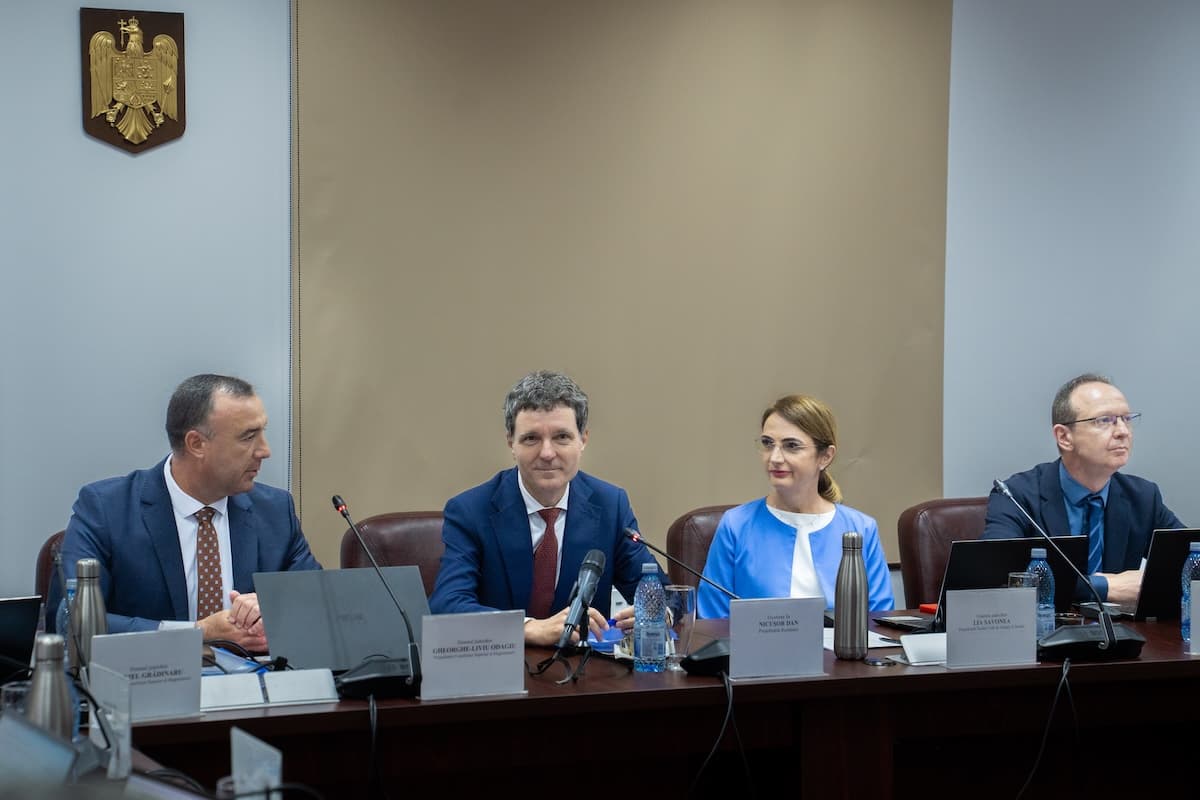
With only 30% in Parliament but possibly the collaboration of the unreformed Social Democratic Party (PSD), Simion will also have to face financial constraints.

While not targeting a presidential term until the failed presidential elections last December, Bucharest mayor Nicusor Dan will seek to stabilise the country politically and economically with several ruling majority options in Parliament, out of which none seems sound since all mainstream political parties (Social Democratic, Liberal parties as well as reformist USR) are undergoing deep internal crises. 

Although not supposed to play a role in the country’s administration as a president, Dan will have to get involved in settling the financial challenges of deep budgetary imbalances.

Nicusor Dan, currently mayor of Romania’s capital city and independent presidential candidate, emerged as the de facto leader of the democratic opposition roughly a year ago when he won the second mandate at Bucharest City Call.

With a career as a mathematician, he developed an NGO to protect Bucharest from uncontrolled urbanisation, which later turned into a political vehicle. When the party (Save Romania Union) opted to take a position on hot gender issues in 2017, he opted to step down, arguing that this is not the role of a political party. 

As an independent candidate, Dan was elected twice at Bucharest City Hall, where he managed to get a majority formed from the mainstream parties with diverse political orientations.

iulian@romania-insider.com

(Photo source: Inquam Photos/Malina Norocea, Sabin Cirstoveanu)

Normal

Romania Insider Free Newsletters