Partner Content

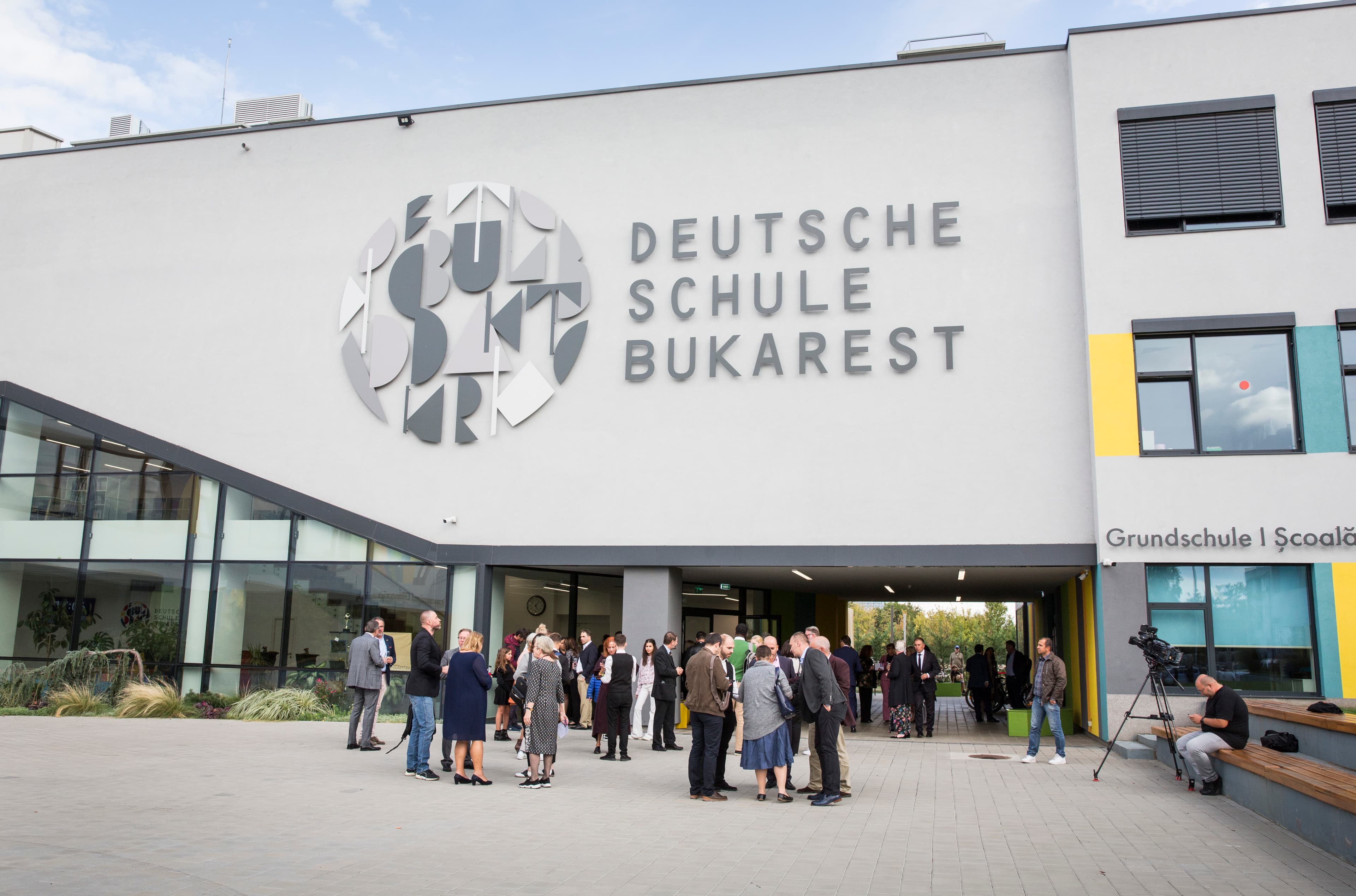
How Children from International Families Learn to Grow Between Cultures – Internationale Deutsche Schule Bukarest

19 March 2026

For many international families, childhood rarely unfolds in a single place. Cities change, languages change, and everyday life gradually stretches across different cultural environments. For children, this experience can be both enriching and demanding, because each new place requires the quiet effort of learning again how to belong.

Growing up between cultures rarely follows a simple path. Moving between languages, expectations and social environments takes time and energy, and there are moments when the effort can feel overwhelming. Yet these experiences also shape a particular way of seeing the world. Children who grow up this way often learn early that different perspectives can exist side by side, and that understanding others sometimes begins with patience.

Within the global network of German Schools Abroad, this reality is part of everyday school life. More than 140 schools worldwide, attended by over 80,000 students, bring together children from many linguistic and cultural backgrounds. In most of these schools, local students represent the majority of the student body, allowing different cultural perspectives to meet naturally in the classroom.

At the Internationale Deutsche Schule Bukarest, this diversity is visible every day. Different languages can be heard in the corridors, and classrooms bring together students whose families have arrived from many different parts of the world. Over time, what initially feels unfamiliar gradually becomes part of a shared rhythm of learning.

We were reminded of this when we sat down to talk with Sara D., whose own childhood reflects what it means to grow up between languages and cultures.

When she spoke about her childhood, her story unfolded through small memories: the Romanian kindergarten she once attended, the moment German later became part of everyday school life, and the quiet effort of learning how to move between two cultural worlds.

Sara D. was born in Germany to German parents who had consciously chosen to build their life here. From an early age, Romania was never simply the place where her family lived; it became the landscape of her childhood and the setting of many of her earliest memories.

Long before she joined the Internationale Deutsche Schule Bukarest, Romanian had already become part of her everyday life. As a small child she attended a Romanian kindergarten, discovering the language through play, friendships and the small routines that shape early childhood.

Later, when she entered the German school environment, another language and another educational culture became part of her daily life. Moving between Romanian and German gradually became natural, even though living between cultures sometimes required patience and effort.

Growing up this way is rarely effortless. Moving between languages and expectations can sometimes be tiring, and there are moments when the need to withdraw and regain balance becomes part of the process. Yet these same experiences also create a deeper sensitivity toward others who are going through similar transitions.

Perhaps this is why Sara D often notices when new children arrive and begin their own journey of adapting to a different language or a new school environment. The empathy she shows in those moments does not come from theory, but from having lived parts of that journey herself.

Over time, these different cultural worlds also began to shape the small traditions of everyday life.

The Romanian tradition of Mărțișor, celebrated on the first of March, marks the beginning of spring. The small red-and-white symbols exchanged on this day carry a simple message of renewal and hope, welcoming the arrival of a new season.

Mother’s Day sometimes appears twice in the calendar — once in March, as it is celebrated in Romania, and again in May, as in many other countries. In practice this simply means that appreciation and celebration return again a few weeks later.

Even Easter occasionally arrives twice. Because Romania celebrates according to the Orthodox calendar, its date often differs from Western Easter. In some years this means that spring brings two gatherings around the table, two celebrations of the same holiday in slightly different ways.

What might seem unusual at first gradually becomes part of a natural rhythm — a life shaped by more than one cultural tradition.

Experiences like these illustrate a broader reality of international education. Growing up between cultures rarely follows a perfectly smooth path, but over time it can shape something lasting: the ability to listen carefully, to understand different perspectives and to recognize the journeys of others.
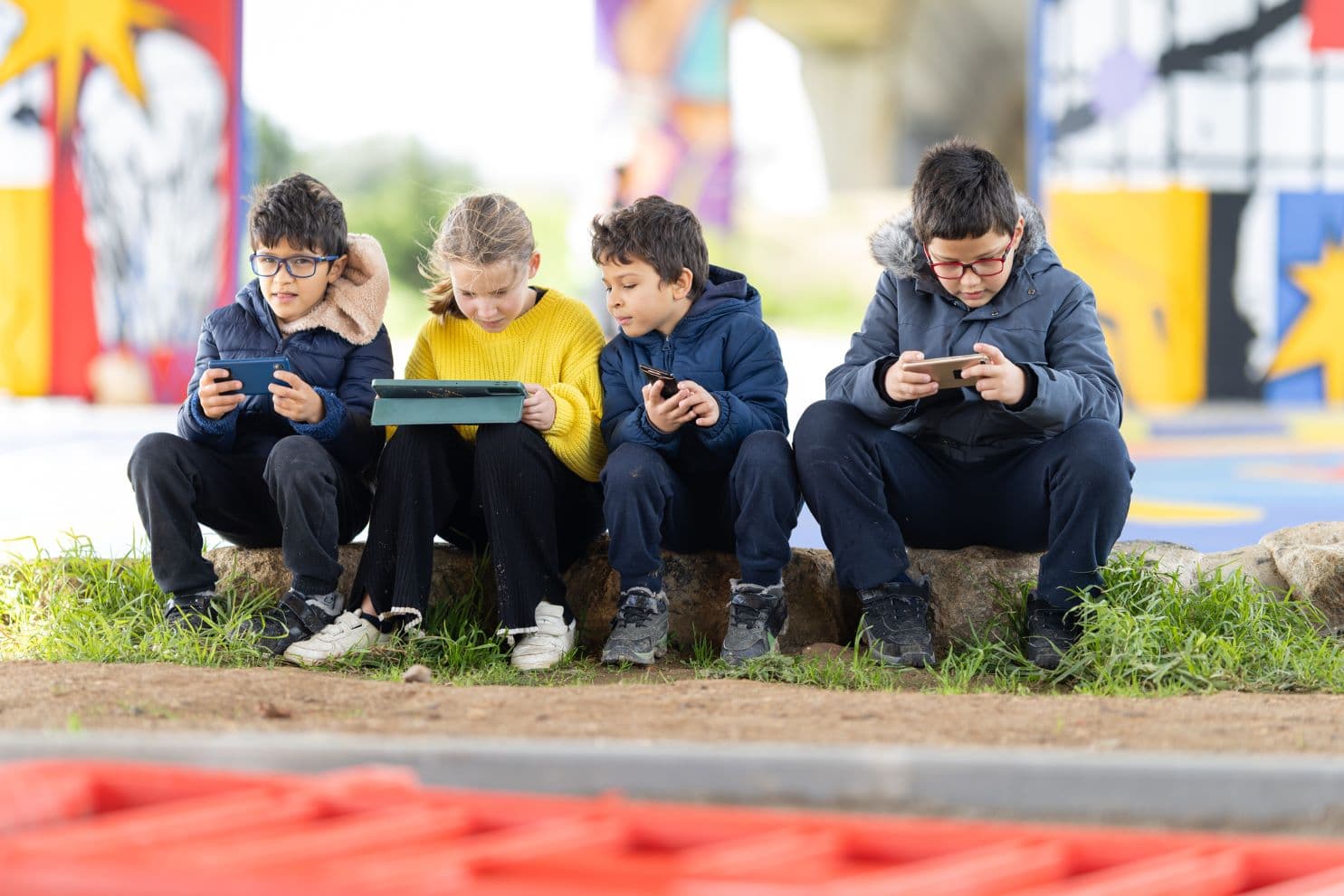
It is a unique way of growing up — one that shapes how people move through life and fosters an acceptance of differences, helping to build a character strong enough to respond to diversity with empathy rather than rejection.

*This is partner content.

Normal
Partner Content

How Children from International Families Learn to Grow Between Cultures – Internationale Deutsche Schule Bukarest

19 March 2026

For many international families, childhood rarely unfolds in a single place. Cities change, languages change, and everyday life gradually stretches across different cultural environments. For children, this experience can be both enriching and demanding, because each new place requires the quiet effort of learning again how to belong.

Growing up between cultures rarely follows a simple path. Moving between languages, expectations and social environments takes time and energy, and there are moments when the effort can feel overwhelming. Yet these experiences also shape a particular way of seeing the world. Children who grow up this way often learn early that different perspectives can exist side by side, and that understanding others sometimes begins with patience.

Within the global network of German Schools Abroad, this reality is part of everyday school life. More than 140 schools worldwide, attended by over 80,000 students, bring together children from many linguistic and cultural backgrounds. In most of these schools, local students represent the majority of the student body, allowing different cultural perspectives to meet naturally in the classroom.

At the Internationale Deutsche Schule Bukarest, this diversity is visible every day. Different languages can be heard in the corridors, and classrooms bring together students whose families have arrived from many different parts of the world. Over time, what initially feels unfamiliar gradually becomes part of a shared rhythm of learning.

We were reminded of this when we sat down to talk with Sara D., whose own childhood reflects what it means to grow up between languages and cultures.

When she spoke about her childhood, her story unfolded through small memories: the Romanian kindergarten she once attended, the moment German later became part of everyday school life, and the quiet effort of learning how to move between two cultural worlds.

Sara D. was born in Germany to German parents who had consciously chosen to build their life here. From an early age, Romania was never simply the place where her family lived; it became the landscape of her childhood and the setting of many of her earliest memories.

Long before she joined the Internationale Deutsche Schule Bukarest, Romanian had already become part of her everyday life. As a small child she attended a Romanian kindergarten, discovering the language through play, friendships and the small routines that shape early childhood.

Later, when she entered the German school environment, another language and another educational culture became part of her daily life. Moving between Romanian and German gradually became natural, even though living between cultures sometimes required patience and effort.

Growing up this way is rarely effortless. Moving between languages and expectations can sometimes be tiring, and there are moments when the need to withdraw and regain balance becomes part of the process. Yet these same experiences also create a deeper sensitivity toward others who are going through similar transitions.

Perhaps this is why Sara D often notices when new children arrive and begin their own journey of adapting to a different language or a new school environment. The empathy she shows in those moments does not come from theory, but from having lived parts of that journey herself.

Over time, these different cultural worlds also began to shape the small traditions of everyday life.

The Romanian tradition of Mărțișor, celebrated on the first of March, marks the beginning of spring. The small red-and-white symbols exchanged on this day carry a simple message of renewal and hope, welcoming the arrival of a new season.

Mother’s Day sometimes appears twice in the calendar — once in March, as it is celebrated in Romania, and again in May, as in many other countries. In practice this simply means that appreciation and celebration return again a few weeks later.

Even Easter occasionally arrives twice. Because Romania celebrates according to the Orthodox calendar, its date often differs from Western Easter. In some years this means that spring brings two gatherings around the table, two celebrations of the same holiday in slightly different ways.

What might seem unusual at first gradually becomes part of a natural rhythm — a life shaped by more than one cultural tradition.

Experiences like these illustrate a broader reality of international education. Growing up between cultures rarely follows a perfectly smooth path, but over time it can shape something lasting: the ability to listen carefully, to understand different perspectives and to recognize the journeys of others.
It is a unique way of growing up — one that shapes how people move through life and fosters an acceptance of differences, helping to build a character strong enough to respond to diversity with empathy rather than rejection.

*This is partner content.

Normal

Romania Insider Free Newsletters