Crosspoint: Bucharest leads Romania’s short-term rental market, Brașov rising regionally
Romania’s short-term rental market continued to grow strongly in 2025, according to an analysis conducted by Crosspoint Real Estate. Bucharest remains the top-performing major urban center, while Brașov stands out among regional markets.
Bucharest generated EUR 66.8 million from short-term rentals in 2025, 20% more than in 2024 and more than double the level recorded in 2022. The average number of listed apartments reached 5,507 units, 541 more than in the previous year.
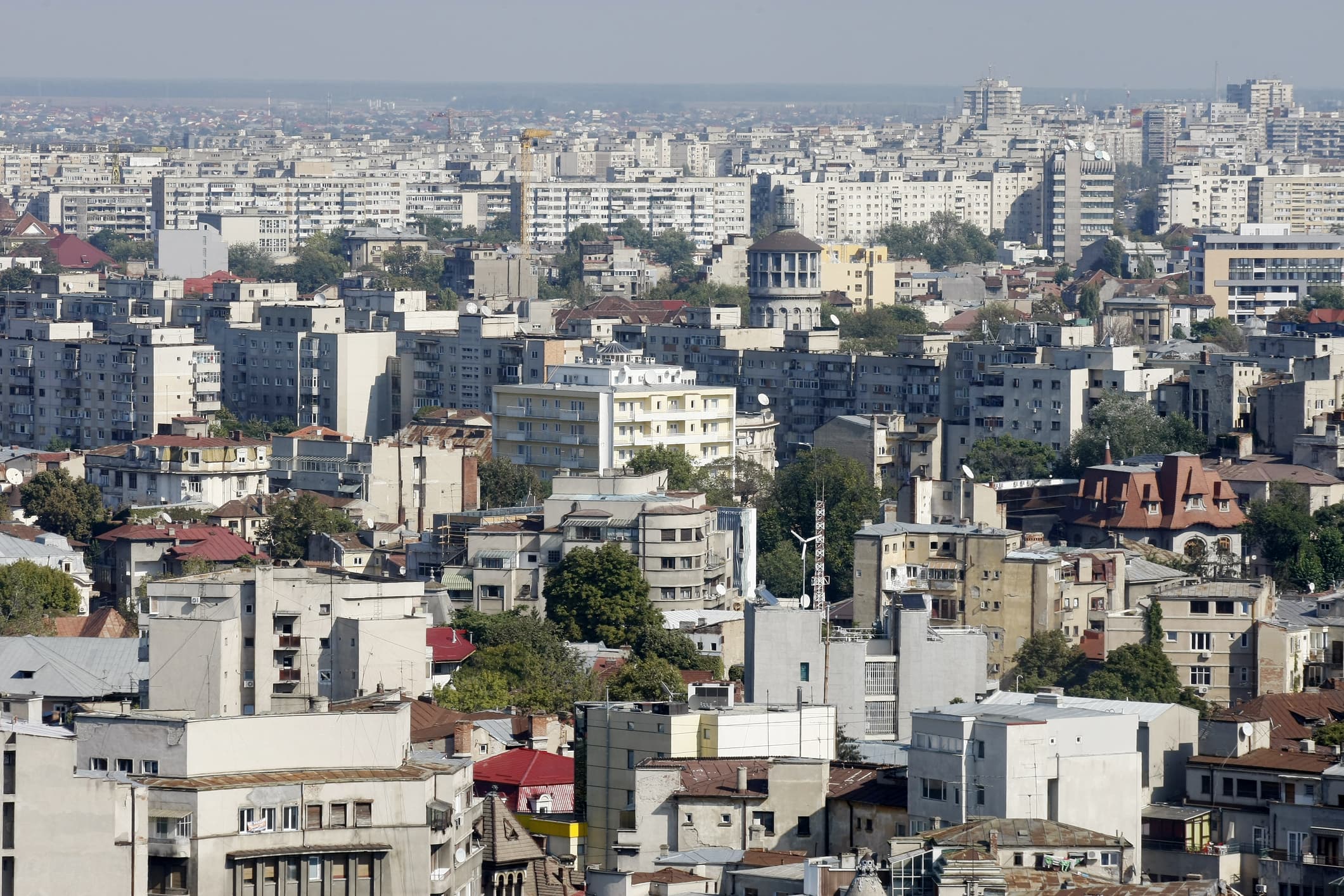
Tourism supported this performance, as Bucharest attracted 2.06 million tourists in 2025, of whom more than 1.1 million were international visitors, 8% more than in 2024. The best-performing month was September, significantly boosted by the George Enescu International Festival, which attracted an estimated audience of over 120,000 attendees, making it one of the largest cultural events in the region.
The average daily rate (ADR) was EUR 56.5, with an average occupancy rate of 62%, one of the highest among the major cities analyzed. The result was an average monthly income of EUR 1,006 per listed property, placing Bucharest significantly above regional markets in terms of absolute revenue generated.
Geographically, the apartment supply remains concentrated in central Bucharest, but the trend over recent years points to a gradual expansion across all areas of the city. The least represented area remains the eastern part of the capital.
“Demand for serviced apartments has grown steadily across all major urban centers, supported equally by domestic tourism, foreign visitors, and business mobility”, said Ilinca Timofte, Head of Research at Crosspoint Real Estate. “What we are seeing now is a maturing market, owners understand that performance depends not only on location, but also on the consistency of the quality offered and on the ability to capitalize on local events,” she added.
Crosspoint’s analysis covered Romania’s five major regional short-term rental markets: Brașov, Cluj-Napoca, Constanța, Timișoara, and Iași. Performance differences were significant and reflected each city’s specific characteristics, from tourism profile and seasonality to the nature of major events.
Brașov is the regional market with the highest number of listings (1,946 properties, up 7% compared with 2024) and the strongest financial performance, with an average annual revenue of EUR 10,471 per property.
Cluj-Napoca is one of the largest regional markets by number of listings, with 1,306, and ranks second in terms of average annual revenue, at EUR 9,910 per property. International festivals like Untold and Electric Castle are the key drivers of this performance.
The seaside market, including Mamaia and Mangalia, generates the longest stays in Romania, averaging 6.5 days compared with 3 days in all the other cities analyzed. This extended length of stay offsets the lower off-season occupancy rate and contributes to a solid annual performance, with average revenues of EUR 8,980 per property, ranking third overall. August remains the peak month, with an average daily rate of EUR 103.8 and average revenues of EUR 1,500 per property.
Timișoara registered a stable market, with 837 listed properties (flat compared with 2024) and an average annual revenue of EUR 8,220 per property. The peak month is August, but the highest ADR is recorded in December, indicating a diversified demand base that is less dependent on a single type of event.
Iași recorded a 6% increase in the number of listings, reaching 563 properties, but also the lowest average occupancy rate in the analysis, at 47.4%. The seasonal peak occurs in October, when the highest ADR of the year is recorded (EUR 51.3). A particular feature of the Iași market is that, for owners of centrally or ultra-centrally located apartments with premium finishes and amenities, long-term rental represents a more predictable financial alternative.
August remained the best-performing month nationwide, due to the overlap between the summer season, music festivals, and the main holiday period. However, the difference compared with previous years is that this peak performance no longer offsets a weak off-season. Instead, there is a more even distribution of revenues throughout the year, signaling the consolidation of the market.
(Photo source: ramis1707|Dreamstime.com)