Romania ready to discuss third Iron Gates hydropower project with Serbia
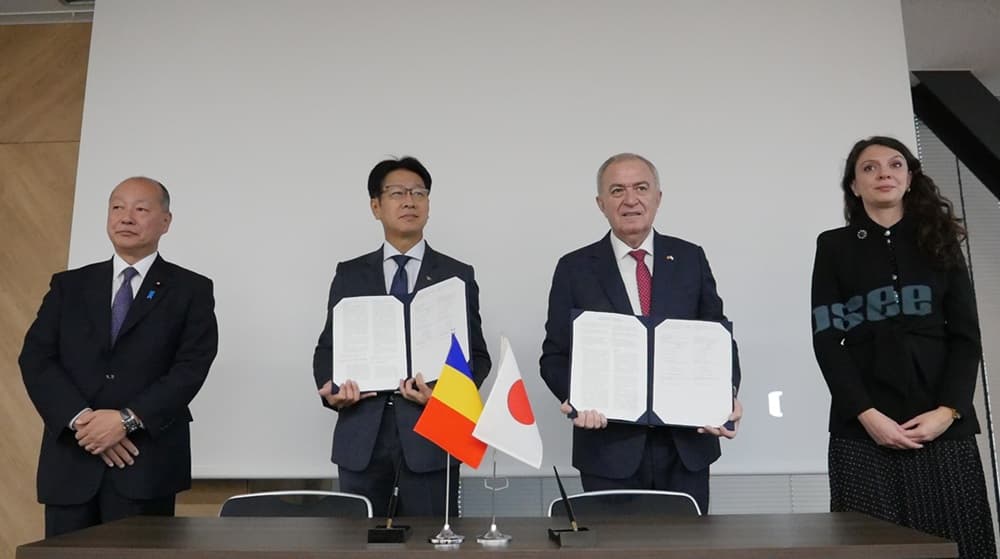
Romania and Serbia have signed a memorandum of understanding to exchange information on the proposed Djerdap 3 (Iron Gates 3) pumped-storage hydropower project, with Romanian authorities stressing that any future development must not affect the operation of the existing Iron Gates hydropower plants jointly operated by the two countries.
The memorandum establishes a framework for technical cooperation and information sharing on the project, which has attracted attention in both countries over its potential environmental impact and implications for the existing hydropower system on the Danube.
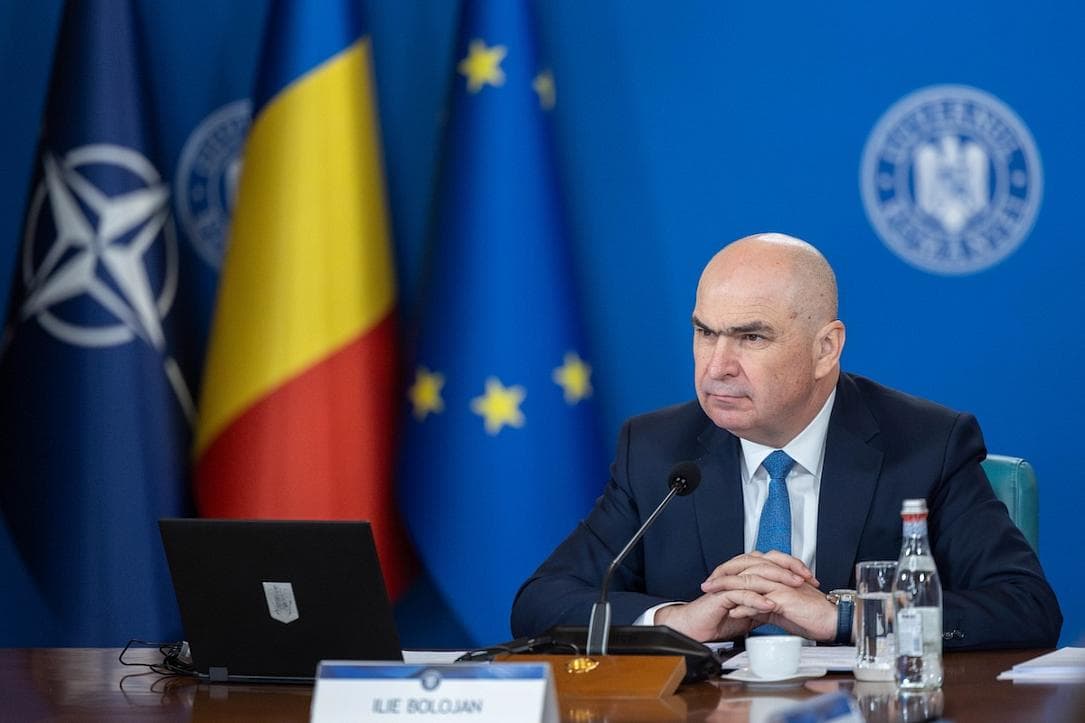
"The memorandum we signed today creates the necessary framework for an exchange of information on the Djerdap 3 pumped-storage hydropower project and to understand exactly what benefits it can bring, but also what impact it can have," acting prime minister and interim energy minister Ilie Bolojan said, as reported by Mediafax.
Bolojan said Romania would carefully assess the proposal before taking any position on its development.
"For Romania, it is important that its development is compatible with the operation and energy production of Iron Gates 1 and 2, ensures the protection of riparian areas in Romania and Bulgaria, and takes into account navigation on the Danube," he said.
He added that the project could make an important contribution to electricity storage and the stability of the regional power system, particularly as renewable generation continues to expand.
Djerdap 3 is planned as a pumped-storage hydropower plant with an installed capacity of 2,400 MW, alongside the potential integration of an additional 400 MW of wind and solar generation. Estimated to cost EUR 2.63 billion, the project is scheduled for completion in 2038, making it one of the largest energy infrastructure investments currently planned in Southeast Europe.
Romania and Serbia have jointly operated the Iron Gates 1 and Iron Gates 2 hydropower plants since they were built during the communist period. Romanian authorities have previously raised questions about whether the new facility could affect the operation and electricity generation of the existing plants.
The proposed project has also sparked debate in Serbia, where environmental organisations have expressed concerns over its ecological impact and the transparency of the planning process.
iulian@romania-insider.com
(Photo source: Gov.ro)