Energy demand spikes in Romania despite government's plea to limit consumption
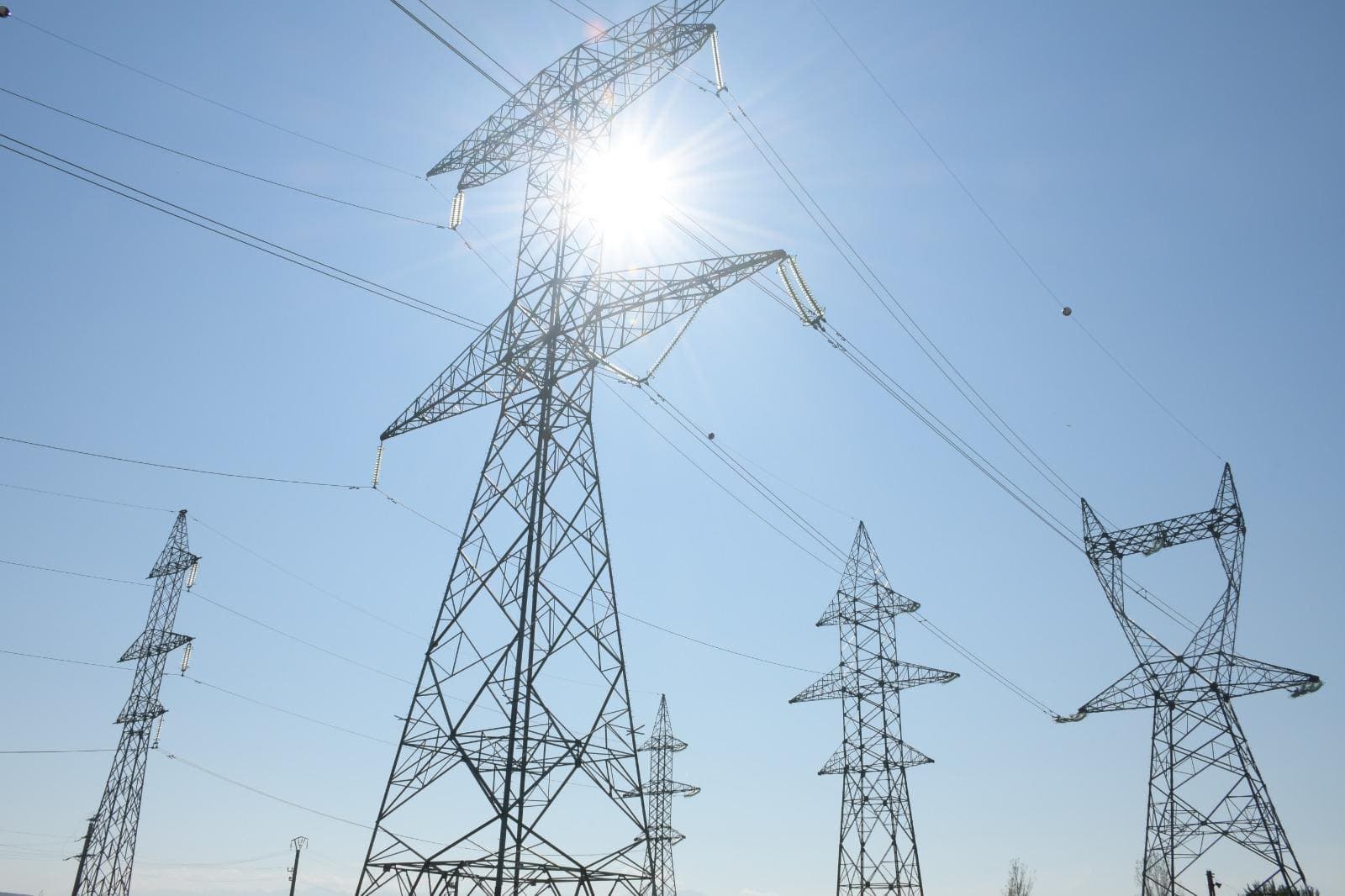
Energy demand in Romania approached record levels for this summer on Wednesday, August 5, despite a call from the government for the population, companies, and institutions to voluntarily limit their consumption during evening hours.
Specifically, Romania’s consumption rose during the critical interval 9 pm to 11 pm to almost 7,700 MW, one of the highest levels this summer. To cover the demand, Romania imported nearly a third of its requirement for Wednesday evening, according to Economedia.

At the peak, the largest contribution to domestic production came from hydroelectric power plants, with approximately 1,804 MW. Hydrocarbon-fired power plants produced 1,393 MW, coal-fired plants 972 MW, while nuclear energy provided 679 MW. Wind production was very low, only 55 MW, and photovoltaics were still supplying 121 MW after sunset. Storage installations contributed approximately 232 MW.
The record consumption for this summer was reached on June 29, with a maximum of 7,971 MW. One day later, consumption rose to 7,907 MW. The highest consumption in 2026 was recorded on 21 January, of 9,213 MW.
To keep the national energy system afloat, the government requested that gas and coal-fired power plants operate at maximum capacity. Automakers Dacia and Ford have temporarily halted production at their Romanian plants until August 19 for scheduled maintenance, a move that will also reduce electricity demand.
Romania declared a nationwide energy state of alert for August amid reduced electricity generation caused by severe drought and exceptionally low river levels. Unit 1 of the Cernavodă nuclear power plant remains shut down because of low Danube levels, while Unit 2 continues operating under close monitoring.
The executive rejected the risk of a blackout or any significant issues with household fuel use. However, last week, Romanian prime minister Ilie Bolojan asked public institutions, companies and citizens to voluntarily reduce consumption during peak hours in order to ease pressure on the energy system. The PM specifically pointed to the period between 9 pm and 11 pm, when Romania is seeking to curb demand. Opponents in the far-right Alliance for the Union of Romanians Party (AUR) criticized the call, pointing to the government’s failure to provide energy.
(Photo source: Transelectrica on Facebook)