Romanian parties divided over Eugen Tomac’s technocratic government proposal
In their first reactions on Thursday evening, the parliamentary parties in Romania outlined their positions after president Nicușor Dan nominated adviser Eugen Tomac as prime minister-designate and tasked him with forming a technocratic government. While most parties said they are willing to hold talks with Tomac, several expressed doubts about the ability of a non-partisan cabinet to govern effectively without strong parliamentary backing.
The nomination came roughly one month after the collapse of the coalition government led by former Liberal (PNL) prime minister Ilie Bolojan, following a no-confidence vote in Parliament. Eugen Tomac, a member of the European Parliament and leader of the People's Movement Party (PMP), has pledged to propose a cabinet made up of specialists rather than party representatives.
In an official reaction, the National Liberal Party (PNL) said it respects the president's constitutional prerogatives and will analyze the governing program and political formula proposed by Tomac next week. However, it reiterated that it will not join or support any government that includes the Social Democratic Party (PSD), either directly or indirectly.
“We believe that the current political crisis and the economic difficulties Romania is facing are the result of policies promoted by the PSD, and a return to such formulas does not represent a solution for the country's future. Furthermore, the PNL will not support or endorse any governing program that abandons or weakens the reforms necessary for Romania's modernization, fiscal discipline, and good governance,” reads the statement.
Interim prime minister and PNL leader Ilie Bolojan, who was dismissed following the no-confidence motion backed by former ruling partner PSD and far-right AUR, confirmed that the party would likely meet with Tomac early next week before deciding its position. While pledging a responsible approach, he expressed reservations about the viability of a technocratic administration.
“It is not enough for a government to be made up of well-intentioned and competent people. It also needs unequivocal parliamentary support," Bolojan said in an interview with Euronews Romania.
He argued that difficult reforms would be hard to implement without political backing and pointed to the experience of previous technocratic governments as a reason for caution.
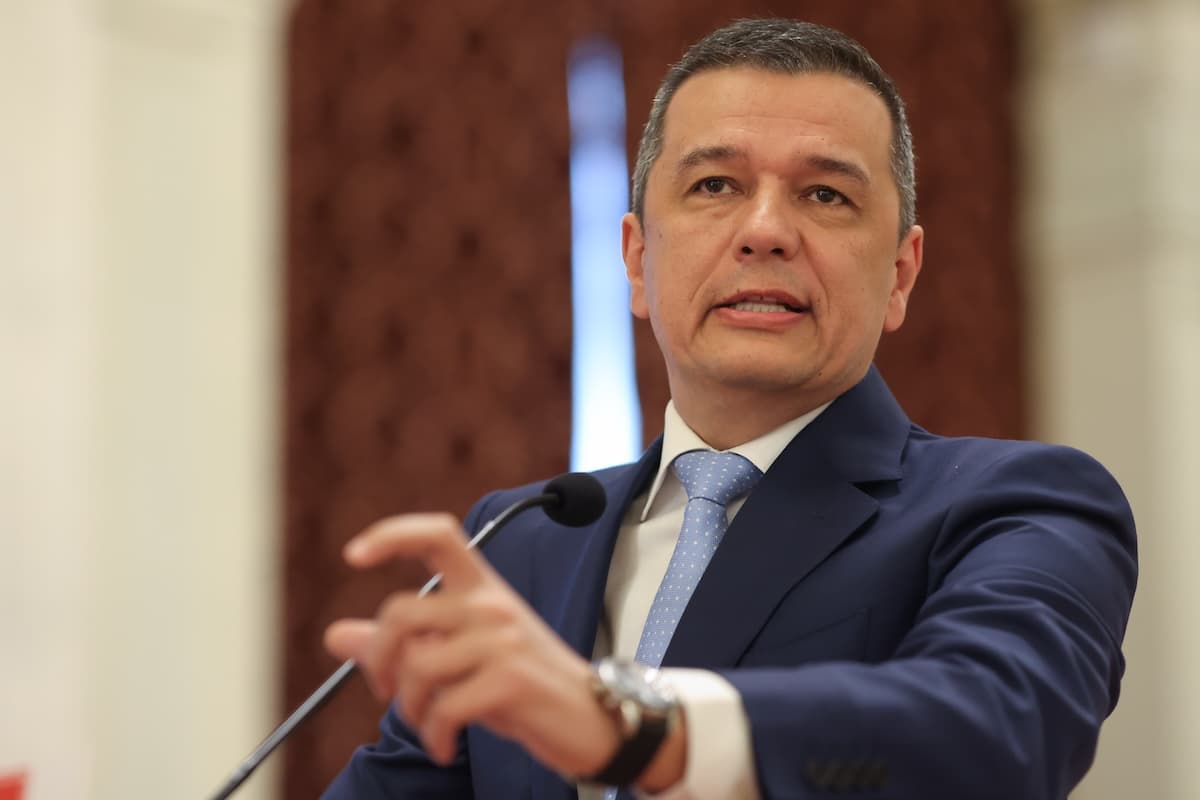
Meanwhile, the Social Democratic Party (PSD) signaled openness to discussions with the prime minister-designate. Leader Sorin Grindeanu said the party wants to hear Tomac's vision for both the governing program and the composition of the future cabinet before making a decision.
According to Grindeanu, PSD's support would depend on several priorities, including restarting investments and economic growth, protecting low- and middle-income Romanians, and supporting small and medium-sized enterprises.
The Save Romania Union (USR) also said it would enter discussions with Eugen Tomac “out of respect for the president and responsibility toward the country." However, leader Dominic Fritz stressed that his party remains opposed to any governing arrangement involving PSD.
Fritz also argued that political responsibility is essential for continuing reforms and said a cabinet made up exclusively of technocrats would lack the authority needed to implement major changes.
In its turn, the Democratic Alliance of Hungarians in Romania (UDMR) adopted a more cautious stance. Party leader Kelemen Hunor said the formation would wait to see the proposed list of ministers and governing program before deciding how to vote in Parliament.
Hunor also maintained his previously expressed skepticism regarding a technocratic government, arguing that such an administration could struggle to secure legislative support and may have a limited lifespan, according to Agerpres.
Meanwhile, the Alliance for the Union of Romanians (AUR), which has been in opposition, strongly criticized both the nomination and the concept of a technocratic cabinet. Senate leader Petrișor Peiu said that Eugen Tomac cannot be considered a technocrat because of his long political career and claimed that early elections would be the proper democratic solution if parties are unable to form a parliamentary majority.
“The president today inaugurated a period of danger for democracy when he said he was forced to appoint a technocratic government because 'the parties could not reach an agreement.' This statement is deeply immoral and foreshadows dictatorship,” Peiu said, as quoted by Agerpres.
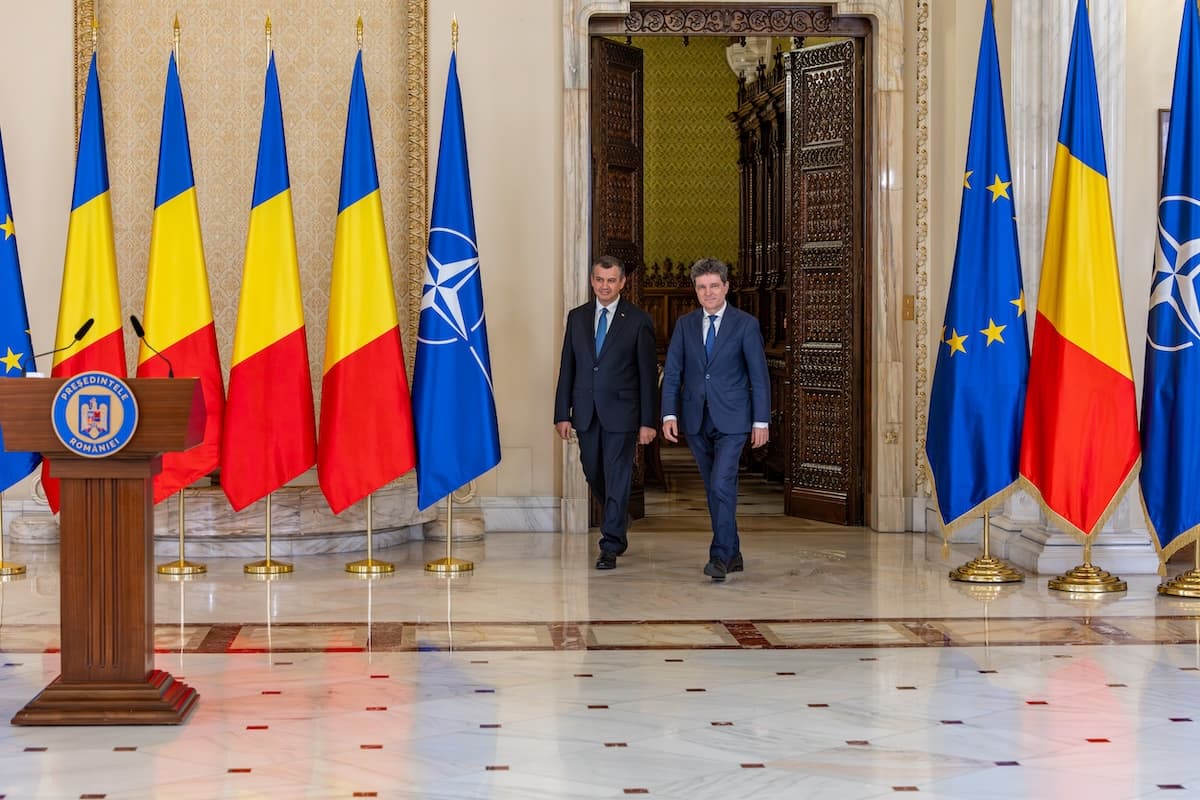
President Dan nominated presidential adviser Eugen Tomac for the prime minister seat on Thursday, June 4. Next, following his nomination, Tomac has ten days to present a governing program and a list of ministers to Parliament. The proposed government will require parliamentary approval before it can take office.
irina.marica@romania-insider.com
(Photo source: Presidency.ro)