UniCredit expects Romania's economic recovery and monetary easing no sooner than 2027

13 July 2026

UniCredit Bank expects Romania's economy to remain broadly stagnant in 2026 before recovering more meaningfully in 2027, while the National Bank of Romania (BNR) is seen delaying monetary easing until the second half of next year in line with the inflation trajectory, according to the bank's latest Quarterly Update.

The bank forecasts Romania's GDP growth at just 0.2% in 2026, followed by an acceleration to 2.3% in 2027, as the impact of fiscal consolidation gradually fades.


UniCredit expects the BNR to keep monetary policy restrictive over the coming year, with the first interest rate cuts likely only in the second half of 2027. The bank projects cumulative easing of just 50 basis points by the end of 2027.

Across Central and Eastern Europe, UniCredit expects most economies to expand by 2-3% in 2026. Romania and Slovakia are seen as underperforming because of fiscal consolidation, while Hungary is expected to remain constrained by weak investment activity.

Growth across the EU member states of Central and Eastern Europe is forecast to strengthen from around 2.0% in 2026 to 2.5% in 2027, supported by an improving external environment and the expected impact of Germany's fiscal stimulus on regional exports and industrial activity.

For Romania, UniCredit assumes that fiscal consolidation will broadly proceed according to the government's plans, with the general government deficit narrowing to 6.2% of GDP this year and further to 5.1% of GDP in 2027.

The report nevertheless identifies political developments in Romania as a key downside risk. UniCredit warns that a shift towards more populist and anti-European Union governments in Romania or Poland could undermine fiscal adjustment efforts and weaken investor confidence.

Such a scenario would be particularly significant for Romania, which remains under the European Union's Excessive Deficit Procedure while also holding a sovereign credit rating only one notch above speculative grade. All three major international rating agencies currently assign Romania a negative outlook, making the implementation of fiscal consolidation measures a key factor in preserving the country's investment-grade status.

iulian@romania-insider.com

(Photo source: Viorel Dudau/Dreamstime.com)

Normal

UniCredit expects Romania's economic recovery and monetary easing no sooner than 2027

13 July 2026

UniCredit Bank expects Romania's economy to remain broadly stagnant in 2026 before recovering more meaningfully in 2027, while the National Bank of Romania (BNR) is seen delaying monetary easing until the second half of next year in line with the inflation trajectory, according to the bank's latest Quarterly Update.

The bank forecasts Romania's GDP growth at just 0.2% in 2026, followed by an acceleration to 2.3% in 2027, as the impact of fiscal consolidation gradually fades.
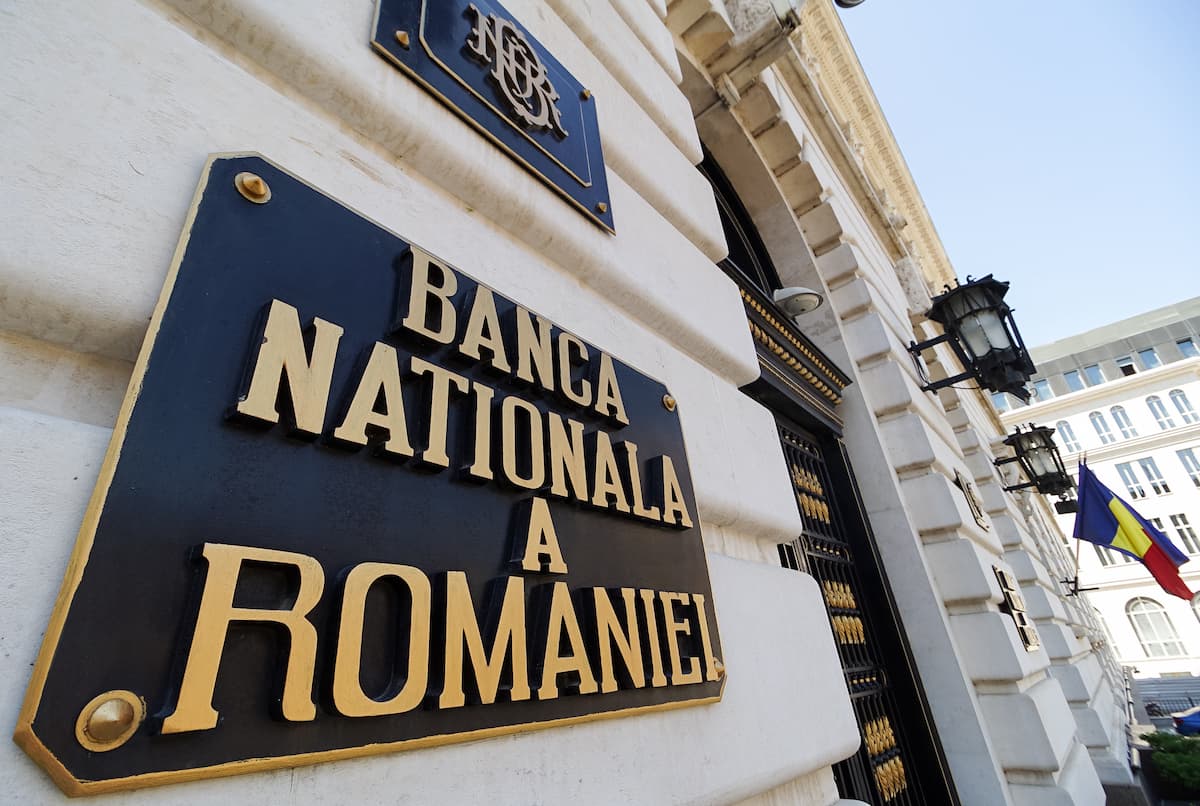
UniCredit expects the BNR to keep monetary policy restrictive over the coming year, with the first interest rate cuts likely only in the second half of 2027. The bank projects cumulative easing of just 50 basis points by the end of 2027.

Across Central and Eastern Europe, UniCredit expects most economies to expand by 2-3% in 2026. Romania and Slovakia are seen as underperforming because of fiscal consolidation, while Hungary is expected to remain constrained by weak investment activity.

Growth across the EU member states of Central and Eastern Europe is forecast to strengthen from around 2.0% in 2026 to 2.5% in 2027, supported by an improving external environment and the expected impact of Germany's fiscal stimulus on regional exports and industrial activity.

For Romania, UniCredit assumes that fiscal consolidation will broadly proceed according to the government's plans, with the general government deficit narrowing to 6.2% of GDP this year and further to 5.1% of GDP in 2027.

The report nevertheless identifies political developments in Romania as a key downside risk. UniCredit warns that a shift towards more populist and anti-European Union governments in Romania or Poland could undermine fiscal adjustment efforts and weaken investor confidence.

Such a scenario would be particularly significant for Romania, which remains under the European Union's Excessive Deficit Procedure while also holding a sovereign credit rating only one notch above speculative grade. All three major international rating agencies currently assign Romania a negative outlook, making the implementation of fiscal consolidation measures a key factor in preserving the country's investment-grade status.

iulian@romania-insider.com

(Photo source: Viorel Dudau/Dreamstime.com)

Normal

Romania Insider Free Newsletters