UNESCO geopark designation process unblocked in Romania, ministry says
Romania has unblocked the designation process for UNESCO geoparks after the government adopted new legislation clarifying their legal status. The move aims to remove long-standing administrative barriers that had delayed local initiatives,…
Irina Marica · Journalist
· Updated · 1 min read

Romania has unblocked the designation process for UNESCO geoparks after the government adopted new legislation clarifying their legal status. The move aims to remove long-standing administrative barriers that had delayed local initiatives, the Ministry of Environment said.
According to the ministry, the government’s emergency ordinance eliminates confusion that previously treated geoparks as protected natural areas, which led to restrictions and stalled projects.
UNESCO geoparks do not impose additional limitations on communities, the officials said, but instead create opportunities for development, education, and tourism.
“We have removed a legislative confusion that for years blocked valuable local initiatives. UNESCO geoparks do not mean additional restrictions for communities, but real opportunities for development, education, and international visibility. Through this ordinance, we are effectively unblocking the designation process and sending a clear signal to local authorities: Romania actively supports these projects, which should not be held back by bureaucracy,” said minister Diana Buzoianu.
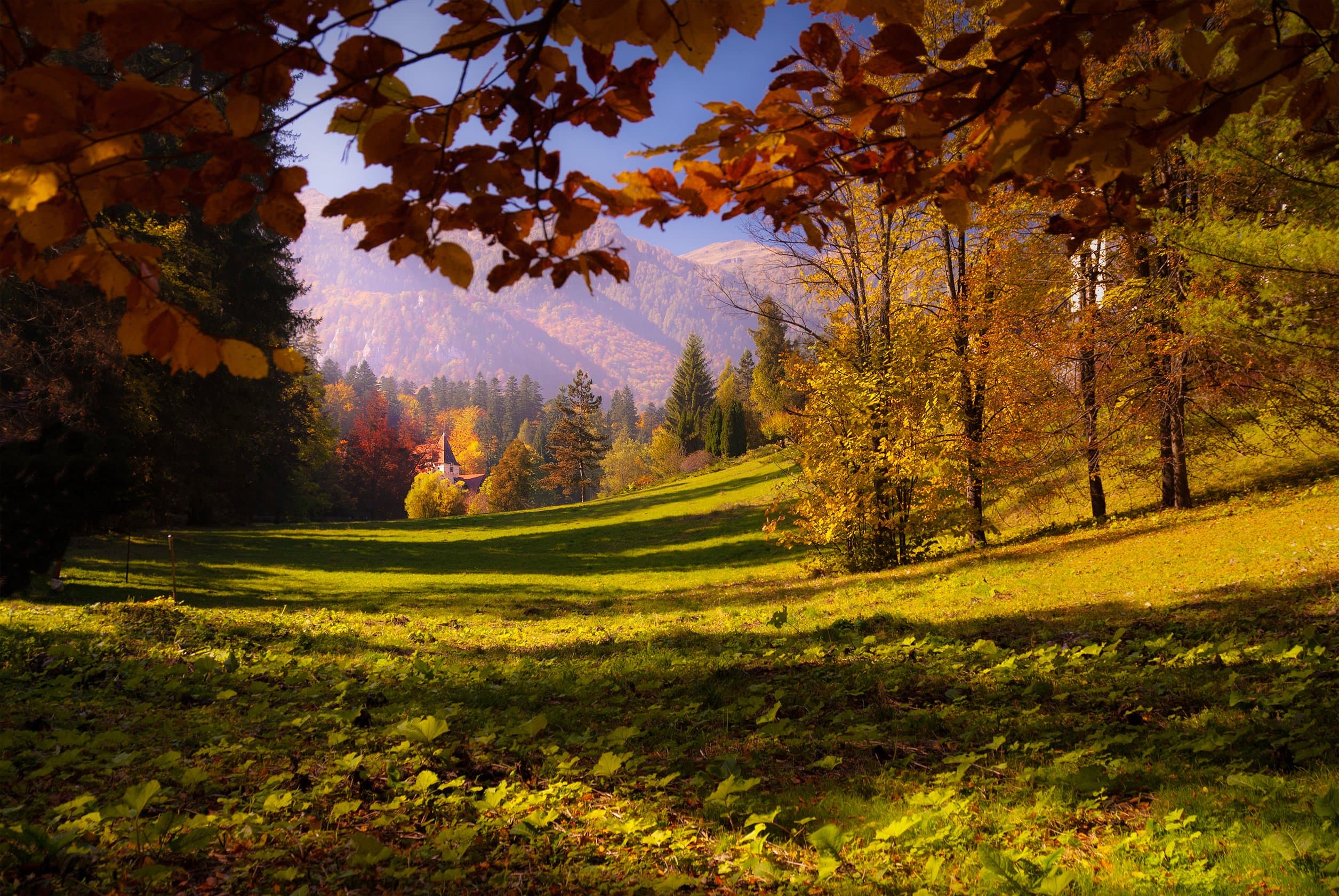
Geoparks are territories where geological heritage is preserved and promoted alongside local culture and nature, contributing to community-based development. UNESCO status is granted for four years and is subject to periodic evaluation, requiring high standards of management and local involvement.
The ministry said the change will allow Romania to accelerate the designation of new UNESCO geoparks, bringing potential economic benefits, increased tourism appeal, and greater international recognition for local heritage.
(Photo source: Facebook/Ministerul Mediului)
Free newsletters
Romania, in your inbox before your first coffee.
Get the Daily — the morning briefing, free, in English, unsubscribe anytime. Want business, real estate or travel digests too? Pick your newsletters →