Travel planner: Caras-Severin, the amazing area where the Danube enters Romania
Last time I pledged to write about an area of Romania which is hardly known to Romanians, let alone to tourists. So this time I want to focus a bit on Caras Severin county.
Mariana Ganea · Journalist
· Updated · 4 min read
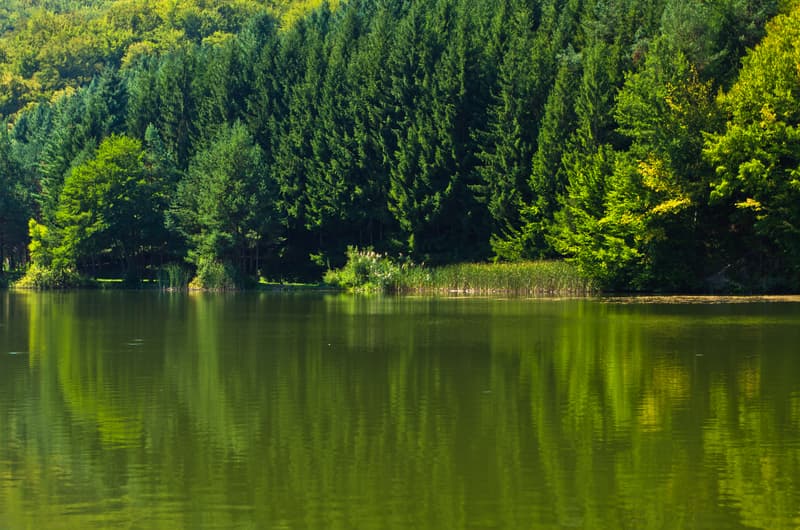
Last time I pledged to write about an area of Romania which is hardly known to Romanians, let alone to tourists. So this time I want to focus a bit on Caras Severin county.
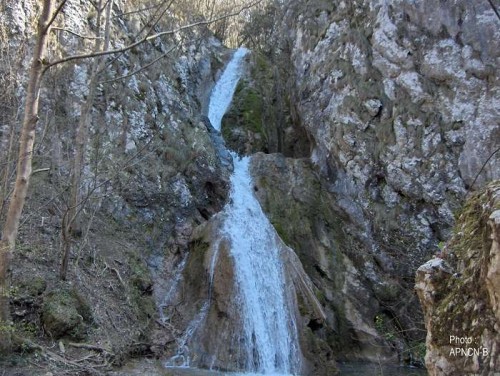
Located in the Banat, one of the historical regions of Romania, on the north bank of the Danube between the Southern Carpathians and the south part of the Western Carpathians, this county is Romania's third largest and is almost completely covered in mountains and hills. The Banat Mountains, Tarcu-Godeanu Mountains and Cernei Mountains, with peaks that reach heights between 600 – 2,100 meters and join some small hills and the Banat plain. In the vicinity of the village of Bazias, at the border with Serbia, is the place where the Danube River enters Romania – the view is spectacular, with its wonderful valleys and gorges. Archaeological research showed that the Caras-Severin area has been populated since Palaeolithic times. Many archaeological artifacts can be seen in County Museum of history in Resita city – which is the county capital – or in the city of Ocna de Fier within the Constantin Gruiescu Mineralogical Collection.

From 1718 the Caras-Severin county was part of the Banat region within the Austrian Habsburg Empire. The county seat Resita was founded in 1771 as an industrial center due to the development of the the mining industry in the area. After the communist regime took over Romania, the mining industry was nationalized and the county, especially its capital, Resita became an important proletariat town. Beyond these historical facts, the Caras-Severin county is famous mostly for its amazing natural beauties. The county features 52 natural protected areas and some important nationals parks: Semenic, Cheile Nerei and Domogled.

The Semenic National Park – also named Cheile Carasului is situated in the centre of the Caras-Severin county, on some 36,665 ha, of which 30,000 ha is covered with forest. The Semenic-Cheile Carasului Natural Park contains 10 natural reservations: Caras Gaps, Gârliste Gaps, Buhui-Margaritaţ Gaps, Caraş Spring, Nera Springs, Bârzaviţa, Groposu, Buhui Cave, Comarnic Cave and Popovaţ Cave. There are several access points to this location: Carasova, Valiug Semenic, Bozovici and Anina. The amazing landscape of the place is formed by ridges, plateaus and, mostly, forest. Thanks to its mild climate, the Semenic – Cheile Carasului National Park is rich in habitat and ecosystems such beech forests, cave habitats, sub-Mediterranean shrub habitats. This place has unique features, such as the largest ancient beech forest in Europe, the Semenic “flower” and the spring of the Nera stream. Accommodation is available in the area, from very picturesque forestry lodges, to private lodging and hotels.
Free newsletters
Romania, in your inbox before your first coffee.
Get the Daily — the morning briefing, free, in English, unsubscribe anytime. Want business, real estate or travel digests too? Pick your newsletters →