
Colliers: Romania land market slows in H1, developers position for 2027-2028

30 July 2026

Romania's land market remained active in the first half of 2026 despite a slowdown in completed transactions, as developers continued acquiring sites for projects expected to reach the market in 2027-2028, according to a new report by real estate consultancy Colliers. Retail remained the strongest-performing segment, while residential land continued to attract investor interest despite a period of market adjustment. 

Colliers said numerous land transactions are currently under negotiation or at the pre-contract stage, but relatively few large deals were finalized in the first six months of the year amid uncertainty over energy costs, construction budgets, and the domestic political environment.

“The land market is going through a period of repositioning; it is by no means at a standstill. We are seeing a significant number of discussions, negotiations, and transactions in progress, even though fewer large deals were completed in the first half of the year," said Sînziana Oprea, director of Land Agency at Colliers Romania. 

She added that retail remains the most active segment, while residential land continues to attract interest, including from new market entrants, although buyers are negotiating more cautiously and putting greater pressure on pricing, payment terms, and permitting certainty.

According to the report, demand for retail land remains robust across Romania, supported by the continued expansion of discount, food, and DIY retailers, particularly in smaller cities. Residential land also continues to attract interest, including from international investors, with some major developers increasingly looking beyond Bucharest to regional cities.

The industrial land segment, however, remains subdued, as many investors already have sufficient land reserves and are waiting for better opportunities before making new acquisitions. Colliers noted growing interest instead in specialist projects such as student housing, medical facilities, and educational developments.

The consultancy also said infrastructure continues to shape investment decisions, with the Bucharest A0 ring road generating stronger investor interest than planned subway extensions. 

At the same time, the number of land plots offered for sale has increased, partly because institutional and international investors are considering exits amid political uncertainty.

“Supply is more substantial than in the past, and this is changing the balance of negotiations. […] Buyers are responding very cautiously: they are more selective, negotiate more carefully, and are in a stronger position than during the years when the market was dominated by sellers," Oprea said.

Colliers expects selective price increases of 5-10% for prime plots with strong development potential and advanced permitting, while sites with weaker planning documentation or limited access could come under downward price pressure.

Looking ahead, the consultancy said the current pace of acquisitions suggests developers are preparing for the next real estate cycle rather than responding to immediate market conditions.

“For developers, land acquired today is not a bet on the current market, but a way of positioning themselves for the market of 2027-2028. […] Those making decisions during this period are already looking towards the next growth cycle,” Sînziana Oprea said.

irina.marica@romania-insider.com

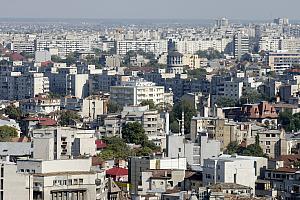
(Photo source: Ronstik/Dreamstime.com)

Normal

Colliers: Romania land market slows in H1, developers position for 2027-2028

30 July 2026

Romania's land market remained active in the first half of 2026 despite a slowdown in completed transactions, as developers continued acquiring sites for projects expected to reach the market in 2027-2028, according to a new report by real estate consultancy Colliers. Retail remained the strongest-performing segment, while residential land continued to attract investor interest despite a period of market adjustment. 

Colliers said numerous land transactions are currently under negotiation or at the pre-contract stage, but relatively few large deals were finalized in the first six months of the year amid uncertainty over energy costs, construction budgets, and the domestic political environment.

“The land market is going through a period of repositioning; it is by no means at a standstill. We are seeing a significant number of discussions, negotiations, and transactions in progress, even though fewer large deals were completed in the first half of the year," said Sînziana Oprea, director of Land Agency at Colliers Romania. 

She added that retail remains the most active segment, while residential land continues to attract interest, including from new market entrants, although buyers are negotiating more cautiously and putting greater pressure on pricing, payment terms, and permitting certainty.

According to the report, demand for retail land remains robust across Romania, supported by the continued expansion of discount, food, and DIY retailers, particularly in smaller cities. Residential land also continues to attract interest, including from international investors, with some major developers increasingly looking beyond Bucharest to regional cities.

The industrial land segment, however, remains subdued, as many investors already have sufficient land reserves and are waiting for better opportunities before making new acquisitions. Colliers noted growing interest instead in specialist projects such as student housing, medical facilities, and educational developments.

The consultancy also said infrastructure continues to shape investment decisions, with the Bucharest A0 ring road generating stronger investor interest than planned subway extensions. 

At the same time, the number of land plots offered for sale has increased, partly because institutional and international investors are considering exits amid political uncertainty.

“Supply is more substantial than in the past, and this is changing the balance of negotiations. […] Buyers are responding very cautiously: they are more selective, negotiate more carefully, and are in a stronger position than during the years when the market was dominated by sellers," Oprea said.

Colliers expects selective price increases of 5-10% for prime plots with strong development potential and advanced permitting, while sites with weaker planning documentation or limited access could come under downward price pressure.

Looking ahead, the consultancy said the current pace of acquisitions suggests developers are preparing for the next real estate cycle rather than responding to immediate market conditions.

“For developers, land acquired today is not a bet on the current market, but a way of positioning themselves for the market of 2027-2028. […] Those making decisions during this period are already looking towards the next growth cycle,” Sînziana Oprea said.

irina.marica@romania-insider.com

(Photo source: Ronstik/Dreamstime.com)

Normal

Romania Insider Free Newsletters